In a move that signals a decisive shift from testing to tangible deployment, Tesla has officially confirmed a major expansion of its Robotaxi service, targeting a rapid rollout across a slate of new U.S. cities. This aggressive roadmap, detailed in a recent company communication, provides the clearest look yet at Tesla's strategy to commercialize its Full Self-Driving (FSD) technology and transform it into a revenue-generating mobility network. The announcement marks a pivotal moment, moving the long-promised autonomous future from a visionary concept to a scheduled reality with specific urban targets.
Mapping the Expansion: From Supervised to Unsupervised
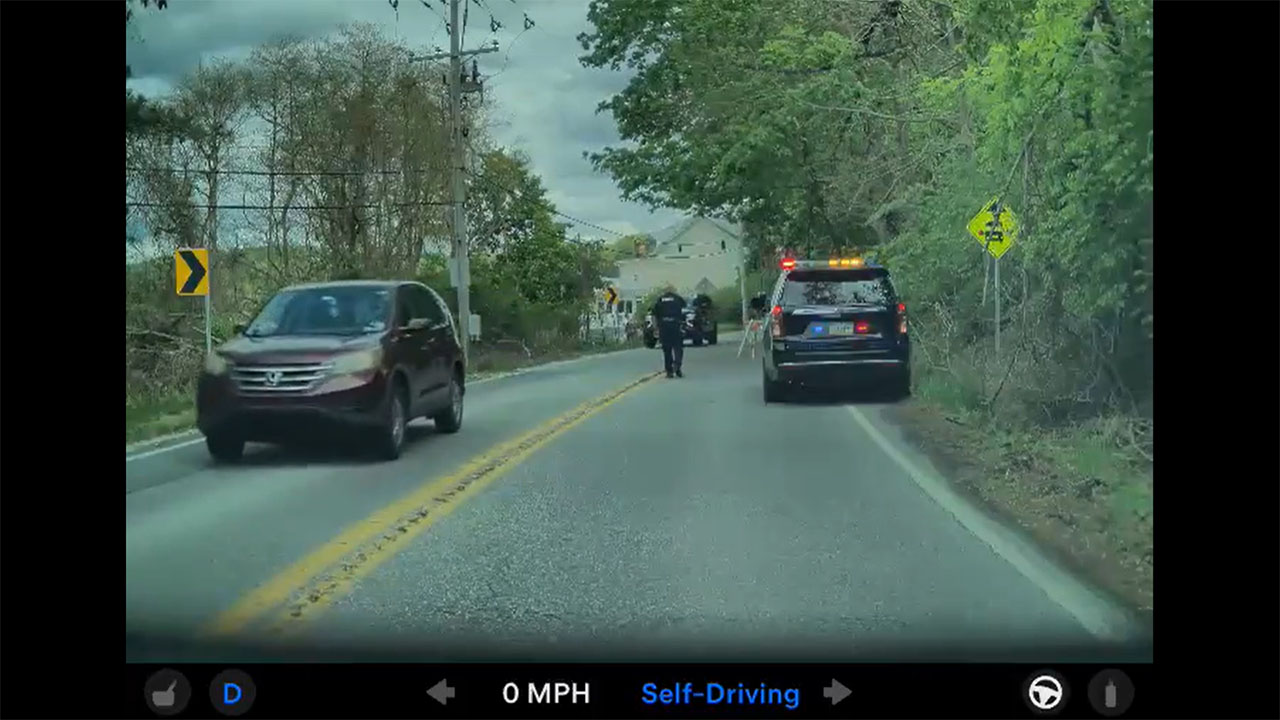
The geographic and operational blueprint reveals a phased approach. Tesla has named Dallas, Houston, Phoenix, Miami, Orlando, Tampa, and Las Vegas as its next launch cities. Notably, the plan differentiates between levels of human oversight. The Bay Area is listed under "Safety Driver," indicating continued supervised operation, while Austin, Texas is uniquely categorized as "Ramping Unsupervised." This distinction suggests Austin will serve as the primary proving ground for removing safety drivers entirely, a critical step toward achieving a truly driverless service and validating the system's reliability at scale.
The Technology and Timeline Push
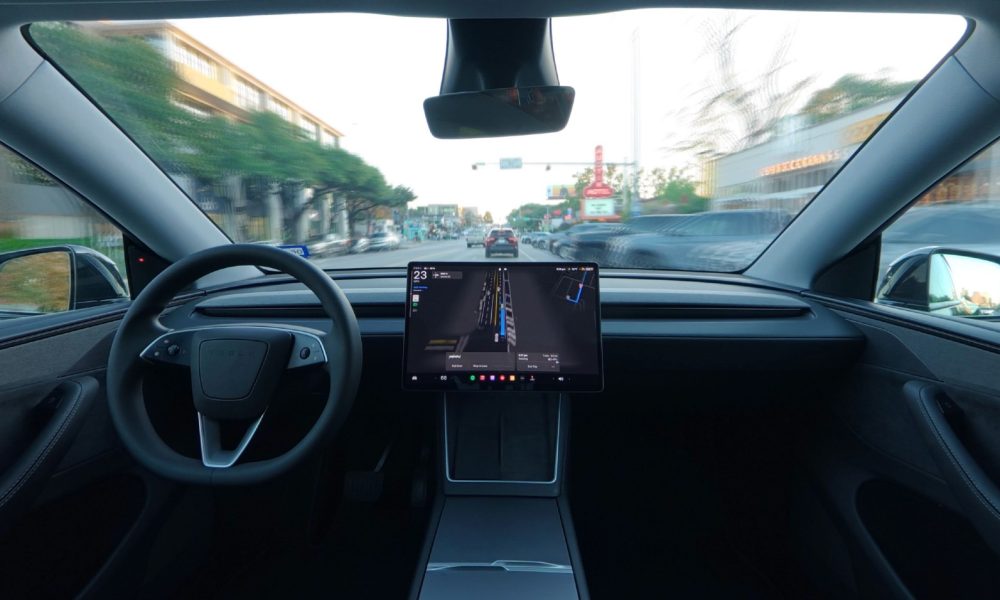
This expansion is underpinned by Tesla's relentless iteration of its FSD (Supervised) software, now on version 12. The shift to an end-to-end neural network architecture has been cited by CEO Elon Musk as a key breakthrough. The stated "aggressive timeline" implies Tesla is confident enough in the system's performance data to commit to specific metropolitan deployments. However, the success of this rollout hinges not just on software, but on navigating complex regulatory approvals and demonstrating consistent safety in diverse, unpredictable urban environments far beyond its initial test zones.
For Tesla owners, particularly those with FSD-capable vehicles in the named cities, this announcement brings the prospect of adding their car to the Robotaxi network closer than ever. The potential to generate income from an otherwise idle asset could significantly alter the electric vehicle ownership equation, enhancing resale value and offsetting monthly payments. For the broader EV market, a successful Tesla Robotaxi deployment would serve as a powerful proof-of-concept for autonomous ride-hailing, potentially accelerating adoption and competition in the sector.
For investors, this concrete plan is a direct answer to concerns over growth narratives beyond vehicle sales. A functional Robotaxi network opens a massive new revenue stream with high-margin, software-like characteristics. The aggressive city targeting demonstrates execution ambition, but also introduces new execution risks. Market sentiment will likely swing on the visible progress in Austin's "unsupervised" ramp and the smoothness of the subsequent city launches, making these milestones critical to watch in the coming quarters.