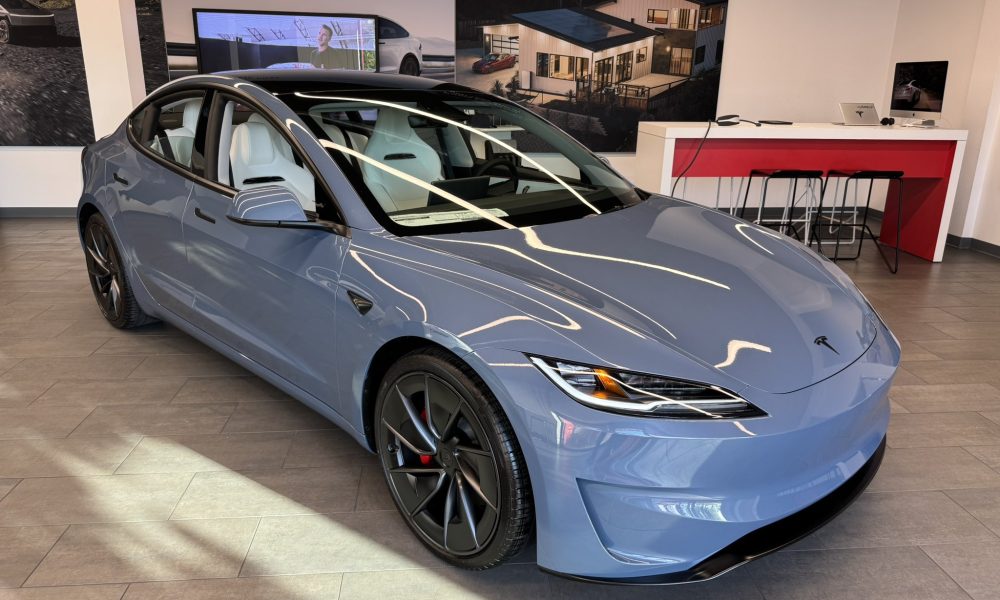
In a strategic move that has electrified the world's largest automotive market, Tesla China has slashed the price of its locally produced Model 3, triggering an unprecedented surge in orders. The catalyst for this seismic shift is the official confirmation that the company has begun equipping the standard-range sedan with cobalt-free lithium iron phosphate (LFP) batteries, a change that fundamentally alters the vehicle's cost structure and consumer appeal overnight.
The LFP Advantage: Cost, Longevity, and Supply Chain Security
The shift to LFP chemistry is a masterstroke in supply chain and production economics. Unlike the nickel-cobalt-aluminum (NCA) batteries previously used, LFP cells contain no expensive cobalt, a mineral with problematic sourcing concerns. This directly translates to a significant reduction in battery pack cost, savings Tesla has passed directly to consumers with a price cut of approximately ¥25,000 (roughly $3,700). Beyond cost, LFP batteries offer exceptional longevity, with a significantly higher cycle life, and are inherently more stable, reducing thermal runaway risk. For Tesla, it also deepens integration with local battery giant CATL, securing a resilient supply chain within China.
Demand Response: "Through the Roof" Orders and Market Domination
The market's reaction was immediate and overwhelming. Reports from China indicate showroom traffic has multiplied, with order volumes described by insiders as "through the roof." The new price point places the Model 3 in direct competition with a broader swath of gasoline-powered premium sedans and electric vehicles from domestic rivals. Analysts note the adjustment makes Tesla's flagship EV not just a technology statement but a fiercely competitive value proposition. This demand surge is a clear signal that price sensitivity remains a powerful lever in accelerating EV adoption, even for a brand built on premium appeal.
This pricing gambit arrives at a critical juncture. The Chinese government continues to aggressively promote electric vehicle adoption, and local competitors like NIO, XPeng, and Li Auto are gaining traction. By lowering the entry barrier, Tesla is strategically expanding its total addressable market, aiming to convert potential buyers who were on the fence due to cost. The move also pressures domestic automakers to scrutinize their own cost structures and pricing, potentially igniting a new phase of price competition and innovation in the sector.
For Tesla owners and investors, the implications are profound. Current China-made Model 3 owners may see a short-term impact on residual values due to the sudden price drop, but the long-term health of the brand in a key market is strengthened. For investors, the demonstration of Tesla's manufacturing agility and its ability to use battery chemistry as a strategic weapon to drive volume is a bullish signal. It validates the company's localized production strategy and highlights a clear path to achieving higher margins through scale and vertical integration, even while reducing consumer prices. The success of this playbook in China may soon inform pricing and battery strategies in other regions globally.