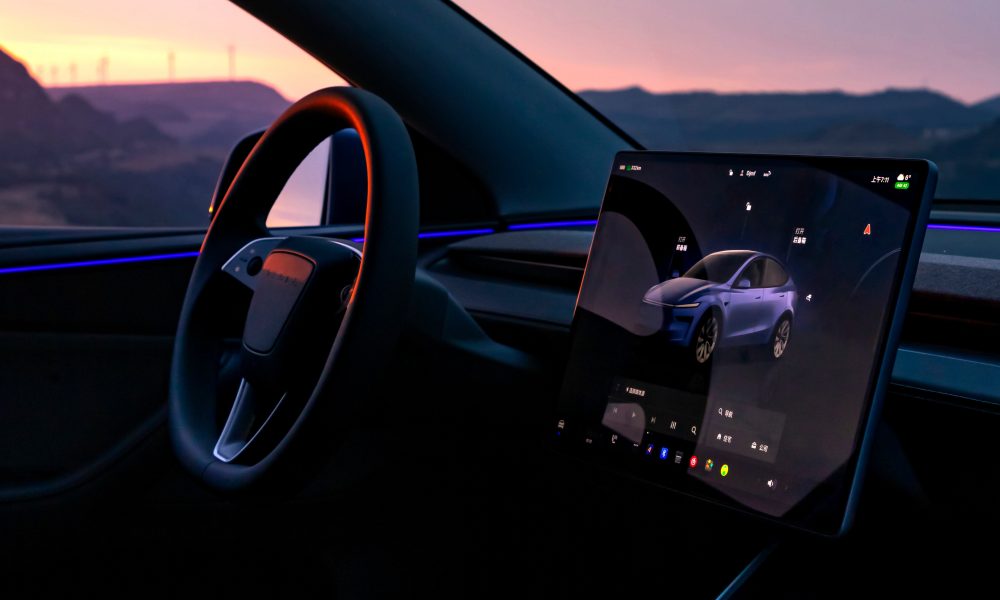
In a move that underscores its dual focus on innovation and safety, Tesla has quietly deployed a significant upgrade to its in-cabin camera system. Buried within the code of the recent Software Update 2026.8.6, a new capability has been unearthed that could fundamentally change how the vehicle interacts with its driver. This isn't about Autopilot monitoring; it's about the car now being able to estimate the age of the person behind the wheel.
Beyond Distraction: The Camera's Evolving Role
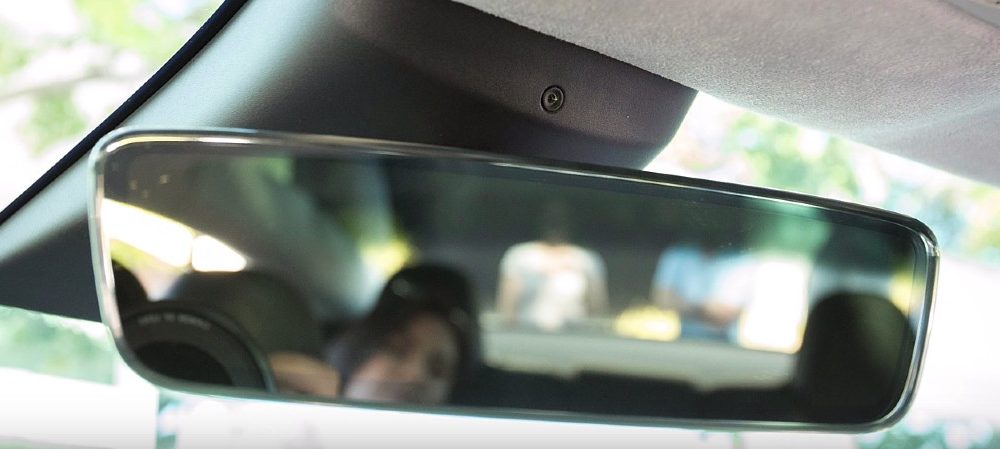
The in-cabin camera, mounted above the rearview mirror, has primarily been associated with monitoring driver attentiveness when using advanced driver-assistance systems. However, Tesla's latest software pivot reveals a broader ambition. By analyzing facial features through advanced neural networks, the system can now categorize the driver into age groups. This technological leap, first discovered by renowned Tesla hacker greentheonly, transforms the camera from a passive observer into an active participant in vehicle personalization and safety protocol management.
Unlocking Age-Appropriate Safety and Customization
The practical applications of this feature are profound. For families using a single Tesla, the vehicle could automatically enforce pre-set safety profiles based on who is driving. A teen driver, once identified, could be met with enforced speed limits, a locked "Chill" acceleration mode, and stricter collision warning sensitivities. Conversely, the system could seamlessly restore full performance and personalized settings when a primary adult driver is detected. This moves beyond simple PIN-to-drive, offering a dynamic, automated layer of parental control and driver-specific customization that activates without any input from the driver.
From a broader safety perspective, this technology could also enhance features like Automatic Emergency Calling (eCall). In the event of a collision, the vehicle could potentially transmit not just the location but also an estimated age bracket of the driver to first responders, aiding in preparation for medical assistance. Furthermore, it opens the door to adaptive interface designs, potentially simplifying the UI for less tech-savvy drivers or highlighting different features based on recognized preferences linked to an age profile.
Privacy, Precision, and the Road Ahead
As with any data-collecting technology in the cabin, this advancement will inevitably reignite discussions about privacy and data security. Tesla will need to be transparent about how this biometric data is processed, stored, and protected. Additionally, the accuracy of age estimation, especially across diverse ethnicities and lighting conditions, will be critical for the feature's reliability and fair implementation. This update signals Tesla's confidence in its camera's algorithmic maturity and its commitment to leveraging onboard hardware for integrated safety solutions that extend far beyond the road itself.
For Tesla owners, this represents a tangible step toward a more intelligent and responsive vehicle. Families will gain powerful new tools for managing vehicle access and safety. For investors, it highlights Tesla's software-driven approach to increasing the value and capability of its existing hardware fleet, reinforcing the company's lead in over-the-air updates that continuously enhance the product. This isn't just a new feature; it's a foundational step toward the truly contextual, personalized electric vehicle experience of the future.