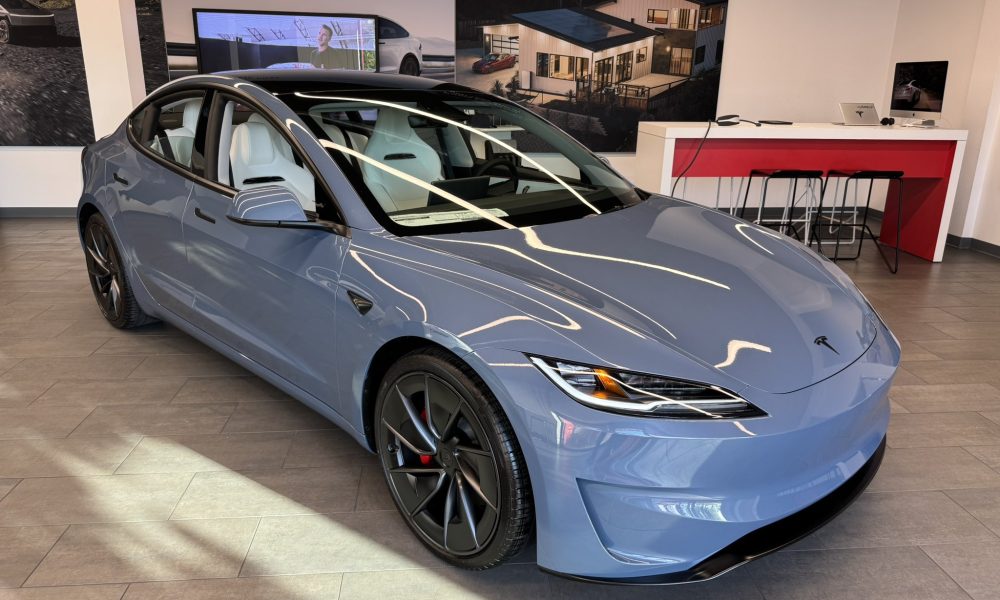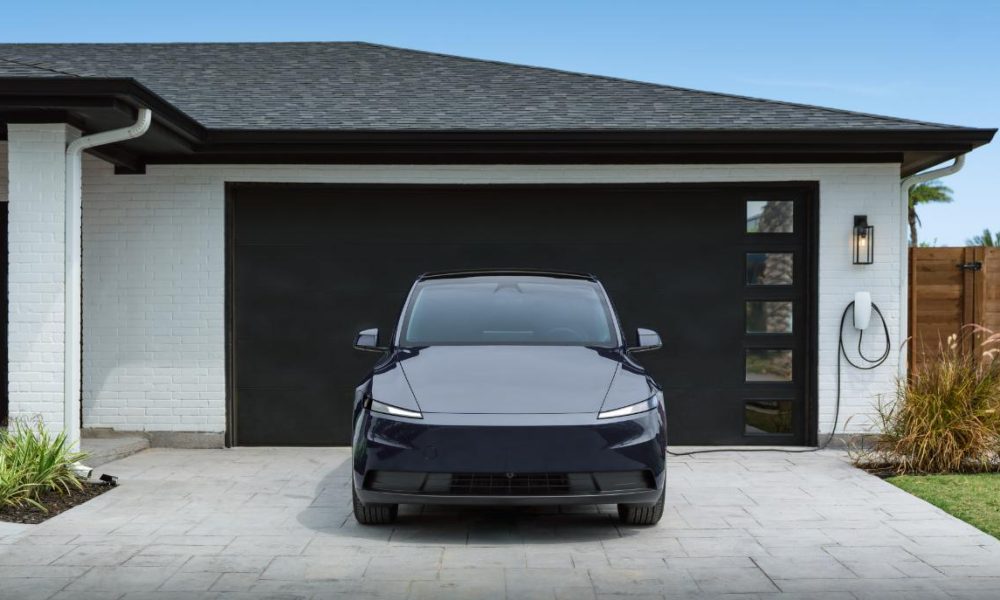
In a move emblematic of its ever-fluid product strategy, Tesla quietly retired a recently introduced vehicle designation overnight, signaling a swift end to a naming convention almost as soon as it began. The catalyst was the surprise launch of a new, competitively priced Model Y trim, but the bigger story lies in what was removed from the configurator. With the introduction of the Model Y All-Wheel-Drive at $41,990, Tesla has officially scrubbed the "Standard Range" moniker from its lineup, bringing immediate closure to a badge that briefly promised a more accessible entry point to its best-selling EV.
The Fleeting Life of the "Standard Range" Badge
For a brief period, Tesla had applied the Standard Range AWD designation to certain Model Y variants, particularly those equipped with lithium iron phosphate (LFP) battery packs. This naming structure created a clearer hierarchy: Standard Range, Long Range, and Performance. However, the newly launched base model, while occupying the same price and position, arrives with a simpler, more generic name: Model Y All-Wheel Drive. The change, executed without fanfare, suggests Tesla is streamlining its nomenclature, possibly to avoid perceived value judgments associated with the term "standard" or to maintain greater flexibility in battery pack and range specifications for this entry-level offering.
Decoding the New Base Model's Value Proposition
Priced at $41,990 before potential federal or state incentives, the new Model Y AWD undercuts its Long Range sibling by a significant margin, reinforcing Tesla's aggressive push for volume in a competitive electric SUV market. While official EPA range figures for this specific configuration are pending, it is expected to utilize an LFP battery, which offers benefits like 100% daily charging capability and enhanced longevity. The strategic pricing places direct pressure on rivals like the Ford Mustang Mach-E and Hyundai Ioniq 5, while making the Model Y eligible for the $7,500 federal tax credit for qualifying buyers, effectively pushing the potential starting price into the mid-$30,000 range.
This pivot away from the "Standard Range" label is more than a semantic exercise; it reflects Tesla's operational philosophy of continuous, silent iteration. The company frequently adjusts specs, software, and hardware without formal model-year announcements. By using a more neutral name, Tesla retains the freedom to adjust the vehicle's underlying battery chemistry or rated range without the marketing confusion of changing a defined "trim level." It’s a tactic that prioritizes manufacturing and supply chain agility over traditional automotive marketing clarity.
Implications for Owners and the EV Market
For prospective buyers, the new Model Y AWD represents the most cost-effective path to Tesla ownership and its Supercharger network. The removal of "Standard Range" from the badge may also help preserve residual values for existing owners of that briefly named variant, as it avoids the perception of an immediately outdated model. For investors, the move underscores Tesla's relentless focus on cost optimization and market responsiveness. By simplifying the lineup and leveraging LFP chemistry, Tesla is poised to defend its dominant market share with a high-volume product that boasts strong margins, even at a lower price point. The silent moniker shift is a minor detail with major implications, proving that in the Tesla universe, even the names on the back of the car are subject to disruption.