For Tesla, the financial road has grown increasingly rough. The electric vehicle pioneer's latest quarterly earnings report reveals a company grappling with a stark new reality, where its core automotive business is under severe pressure. The headline figure is a staggering 46 percent year-over-year decline in net profit for the quarter, a continuation of a troubling trend from a difficult 2024. Even more telling is the composition of those dwindling profits, with the company increasingly reliant on regulatory lifelines rather than vehicle sales.
The Crumbling Pillar: Core Automotive Weakness
The most alarming signal from the report is the 8.6 percent drop in global vehicle deliveries. This decline, occurring in a still-growing EV market, underscores significant challenges including intensified competition, aging core models, and potential demand saturation in key segments. The drop in volume directly erodes the fundamental economies of scale Tesla has long championed. This isn't a minor speed bump; it's a direct hit to the company's operational engine, forcing a reassessment of growth targets and production capacity that was aggressively expanded in previous years.
Regulatory Credits: A Profitable Mask
Beneath the troubling top-line numbers lies an even more critical detail: more than half of Tesla's total profit this quarter came from the sale of regulatory emissions credits to other automakers. While this has always been a lucrative side business for Tesla, its dominance in the profit picture highlights the fragility of the company's current automotive margins. Relying on competitors' inability to meet emissions standards is an unsustainable profit center, especially as legacy OEMs ramp up their own electric lineups and require fewer credits. It masks the underlying weakness in selling cars profitably in today's cutthroat market.
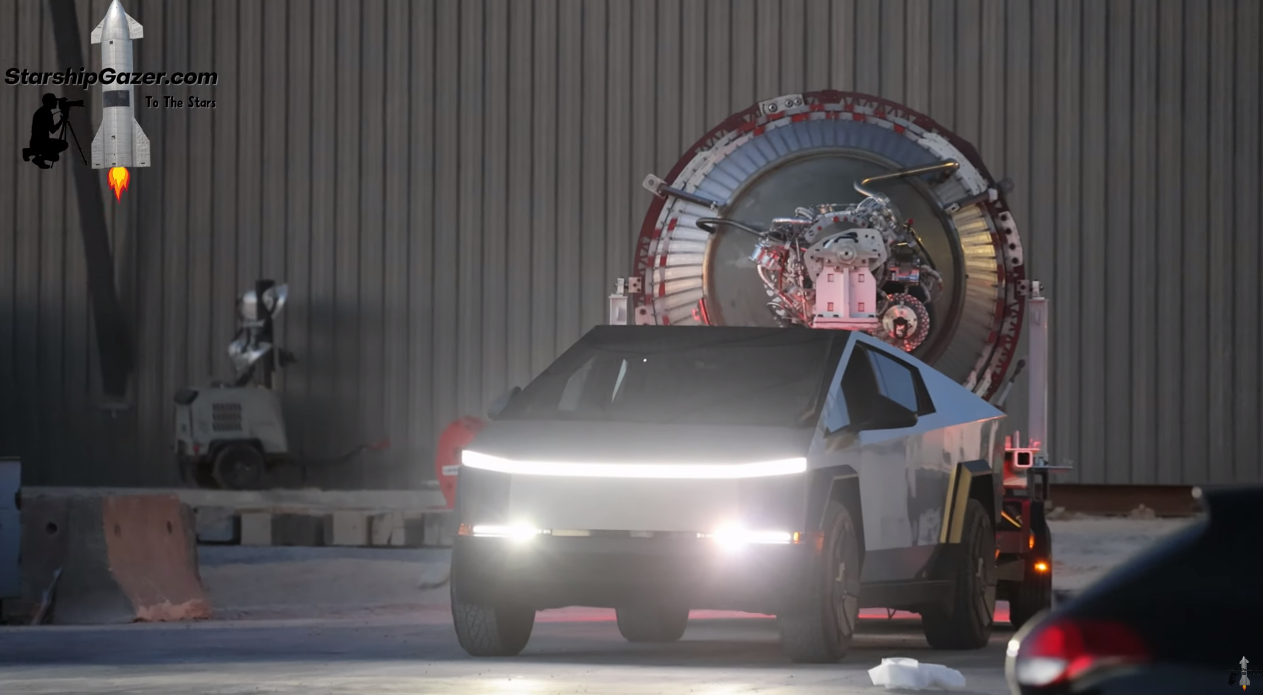
This financial picture forces a hard look at Tesla's strategic pivots. Massive investments in projects like the Cybertruck, Full Self-Driving (FSD) software, AI, and robotics are capital-intensive with long-term and uncertain payoffs. The current earnings report suggests these bets are not yet offsetting the softening in the core Model Y and Model 3 business. The company's narrative is increasingly split between being a high-volume automaker and a futuristic tech company, and the financials indicate the former is subsidizing the latter at a steep cost.
For Tesla owners and investors, the implications are profound. The pressure on margins may influence vehicle pricing, service costs, and the pace of new feature rollouts. Investors must weigh the promise of AI and autonomy against the immediate reality of a deteriorating car business. The coming quarters will be critical in determining whether this is a transitional trough before a new wave of products and tech hits, or the sign of a more permanent shift where Tesla's growth story and industry dominance face their most serious test yet.