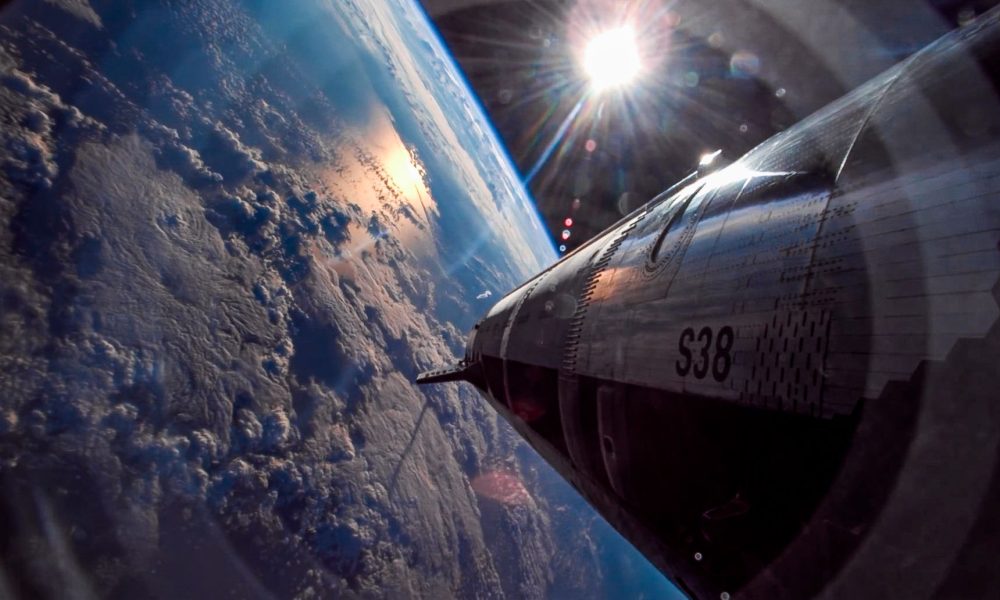
In a move that reshapes the technological landscape, Elon Musk has executed a stunning corporate consolidation. On February 2, SpaceX officially announced its acquisition of the artificial intelligence firm xAI, merging cutting-edge rocket engineering with frontier AI research. This unprecedented merger marks the first major step toward unifying Musk's visionary companies under a single strategic umbrella, creating an entity with capabilities far beyond the sum of its parts.
A Strategic Merger of Physical and Digital Frontiers
The acquisition is not merely a financial transaction but a profound strategic alignment. SpaceX, the undisputed leader in reusable rocket technology and satellite mega-constellations like Starlink, now directly integrates the advanced AI models developed by xAI, including the conversational Grok. This fusion aims to create what SpaceX described in its announcement as "one of the most formidable technology entities in the world." The core thesis is clear: the next giant leaps in space exploration, communication, and autonomy will be driven by artificial intelligence. From optimizing complex rocket launch windows and trajectory calculations to managing the vast, autonomous network of Starlink satellites, AI is set to become the central nervous system of SpaceX's operations.
Implications for the AI Race and Data Ecosystem
This merger fundamentally alters the competitive dynamics in the global AI race. xAI gains an unparalleled real-world data pipeline from SpaceX's spacecraft and Starlink's global internet constellation, providing a massive, proprietary dataset for training its models. Conversely, SpaceX can leverage xAI's expertise to build more intelligent, autonomous systems for its Starship vehicles and off-world ambitions. The move also raises significant questions about data sharing and competitive walls within Musk's empire, particularly for Tesla, which has its own deeply advanced AI and real-world data for autonomous driving. While synergies are evident, the corporate structure may create new complexities in how these sibling companies collaborate or compete for AI talent and resources.
For Tesla investors and owners, the implications are multifaceted and significant. The merger could accelerate the development of shared AI infrastructure, potentially benefiting Tesla's Full Self-Driving (FSD) and robotics projects through breakthroughs in reasoning and efficiency pioneered at xAI. However, it also introduces a potential rival for Musk's focus and capital. The creation of a colossal, combined SpaceX-xAI entity might divert attention or resources, though it could also solidify a technological moat that benefits all his companies. In the long term, Tesla's electric vehicle and energy platforms may interact with a seamlessly connected ecosystem of SpaceX communication networks and xAI intelligence, creating a integrated product experience unlike any other.

