In a significant move that solidifies the critical partnership between two tech titans, Samsung Electronics has reportedly secured early regulatory approval to expand its semiconductor operations in Taylor, Texas. This green light marks a pivotal step toward the onshore production of Tesla's highly anticipated next-generation artificial intelligence hardware, setting the stage for a major shift in the automaker's technological independence and capability.
The Texas Gambit: Building an AI Hub on American Soil
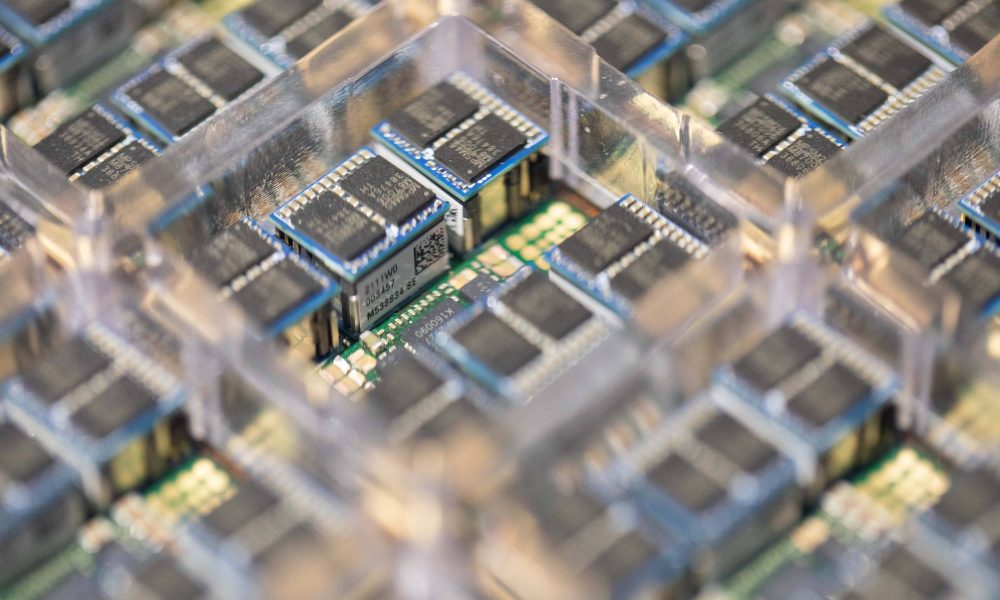
The approval accelerates Samsung's planned $17 billion investment in its Taylor facility, transforming it into a cornerstone for advanced chip manufacturing in the United States. While Samsung produces a wide array of semiconductors, the focus here is squarely on fulfilling its contract with Tesla. This domestic production line is strategically positioned to manufacture Tesla's forthcoming AI 5 chip, the successor to the current Hardware 4 (HW4) computer that powers the company's Full Self-Driving (FSD) and Autopilot systems. Establishing this supply chain domestically mitigates geopolitical and logistical risks associated with overseas production, ensuring a more resilient and responsive pipeline for Tesla's most critical component.
Why the AI5 Chip is a Game-Changer for Tesla
Transitioning from HW4 to the AI5 represents more than a simple performance bump; it is foundational to Tesla's future. The AI5 chip is expected to deliver a dramatic increase in processing power, necessary for handling the exponentially more complex neural networks required for true autonomous driving. This hardware leap will enable more sophisticated sensor fusion, faster decision-making, and improved safety and capability for Tesla's FSD software. Furthermore, this chip is not just for cars. It will be the computational engine for Tesla's broader ambitions in robotics, including the Optimus humanoid robot and its "Dojo" supercomputer project, making its reliable, high-volume production absolutely essential.
The collaboration with Samsung is also a clear strategic move to reduce Tesla's historical reliance on a single supplier, TSMC. By diversifying its sourcing to include Samsung's manufacturing prowess, Tesla gains crucial leverage in pricing, capacity allocation, and technological roadmap discussions. This dual-supplier strategy for its most advanced silicon underscores CEO Elon Musk's focus on vertical integration and supply chain control, mirroring the company's approach with batteries.
Implications for Owners and the Investment Thesis
For Tesla owners, the ramp of AI5 chips translates directly to the accelerating evolution of their vehicles. Future Tesla models equipped with this hardware will possess a significantly higher "ceiling" for autonomy via over-the-air updates, protecting against obsolescence and enhancing resale value. It also signals that Tesla's most advanced features will continue to be developed and deployed at a rapid pace, reliant on a secure U.S.-based supply chain.
For investors, this development de-risks a key component of the long-term thesis. It demonstrates tangible progress in securing the silicon muscle needed to power Tesla's AI and robotics ecosystems. A successful ramp at the Texas facility would not only support automotive growth but also validate Tesla's capability to manufacture and scale the "brains" for its other ambitious, high-margin ventures, potentially unlocking new multi-billion dollar market segments beyond the electric vehicle industry.