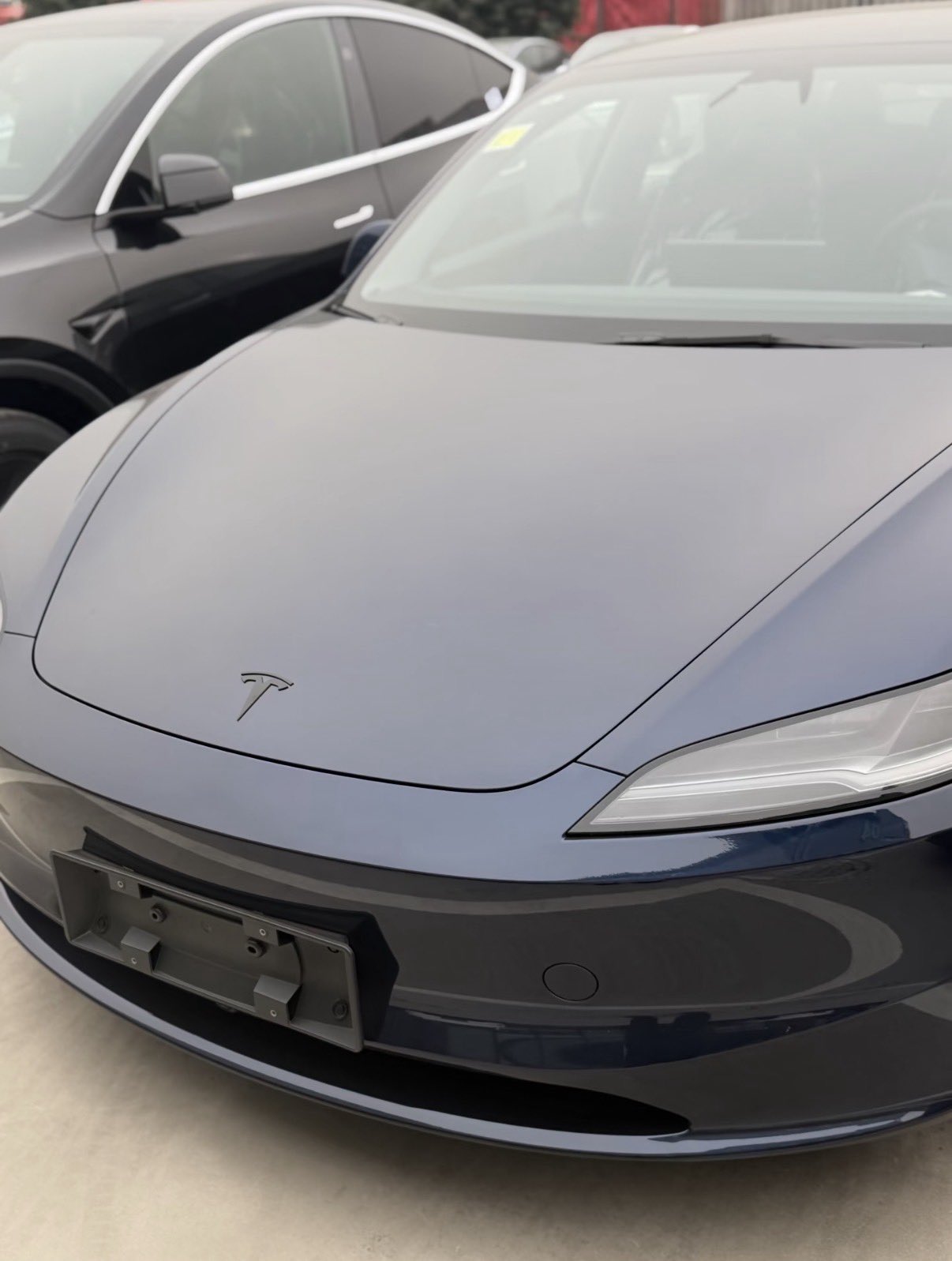
The electric vehicle landscape in Europe has been fundamentally reshaped overnight, with Tesla launching a strategic offensive that has sent shockwaves through the industry. In a move that recalibrates the entire value proposition of the EV market, Tesla has positioned its globally acclaimed Model 3 sedan at a price point that directly undercuts a new generation of European city cars. This isn't a minor discount; it's a market fracturing event that places a premium, long-range vehicle in the same financial arena as upcoming compact offerings like the Renault 5, forcing a brutal reassessment of what consumers can expect for their money.
A Strategic Price Quake Redefines "Value"
The core of this seismic shift lies in the new pricing for the Tesla Model 3 Propulsion (RWD) in key markets like France. By aggressively adjusting its position, Tesla has slashed the entry cost to a level that is not just competitive but arguably dominant. Where European automakers have been struggling to bring compelling electric vehicles to market below the psychologically critical €35,000 threshold, Tesla has vaulted over that barrier with a proven, full-sized sedan. This creates an unprecedented scenario: consumers choosing between a brand-new, untested compact EV and a benchmark-setting Tesla with superior performance, range, technology, and an established Supercharger network, all for a strikingly similar price.
Context: The European Automaker Squeeze
This pricing maneuver comes at a moment of acute vulnerability for legacy European brands. After years of development and hype, models like the Renault 5 are finally nearing launch, symbolizing a hopeful return to affordable, locally-built EVs. Tesla's timing is strategically precise, applying maximum pressure just as these competitors attempt to gain a foothold. The move exploits the inherent cost challenges legacy manufacturers face in transitioning platforms and supply chains. While they tout upcoming affordability, Tesla is delivering it today with a product that boasts a WLTP range exceeding 400 km, blistering acceleration, and the continuously updated Tesla software experience—a package that suddenly makes many "affordable" EVs look underpowered and overpriced.
Implications for Owners and the Investment Thesis
For current and prospective Tesla owners, this aggressive pricing is a double-edged sword. New buyers gain access to unparalleled value, making the Model 3 arguably the deal of 2026. However, it may accelerate depreciation for recent purchasers, though it simultaneously strengthens Tesla's brand dominance and market penetration. For investors, this is a clear volume-over-margin play, indicative of Tesla's confidence in its industry-leading manufacturing efficiency and cost control. The strategy prioritizes massive scale, software revenue attachment, and ecosystem lock-in over short-term per-unit profitability. It is a direct assault on the volume segments legacy automakers depend on for survival, potentially stifling their EV profitability before it even materializes at scale.
The ultimate question is whether European giants can respond without crippling their financials. Tesla has thrown down the gauntlet, redefining the price-to-capability equation in the EV sector. The deal of 2026 may not be a new city car; it may very well be the established champion, now priced like an upstart.


