In a strategic pivot that caught many by surprise, Tesla has officially closed the door on the standalone purchase of its Full Self-Driving (FSD) capability for most of its lineup. The move, effective Saturday, February 14th, marks a significant shift in how the company will monetize its most advanced driver-assistance software. However, a notable exception remains for buyers at the highest end of the market, preserving a direct path to ownership for a select few.
The New FSD Access Model: Subscription Takes Center Stage
With the removal of the one-time $12,000 (or $15,000 post-purchase) FSD purchase option, Tesla is unequivocally steering customers toward its FSD Subscription service. Priced at $199 per month (or $99 for those with older Enhanced Autopilot), the subscription model offers flexibility and lowers the barrier to entry. This aligns with a broader industry trend toward software-as-a-service revenue streams, ensuring a recurring income flow from Tesla's growing fleet while allowing owners to test the evolving technology without a massive upfront commitment. The change underscores Tesla's view of FSD not just as a feature, but as a continuous, updatable service.
The Luxury Loophole: FSD Bundles for High-End Models
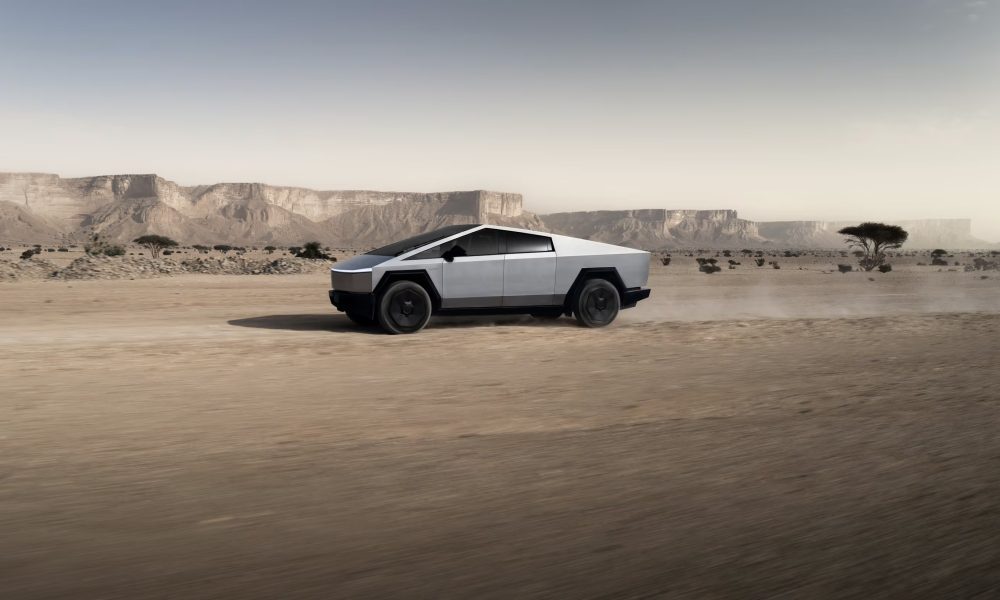
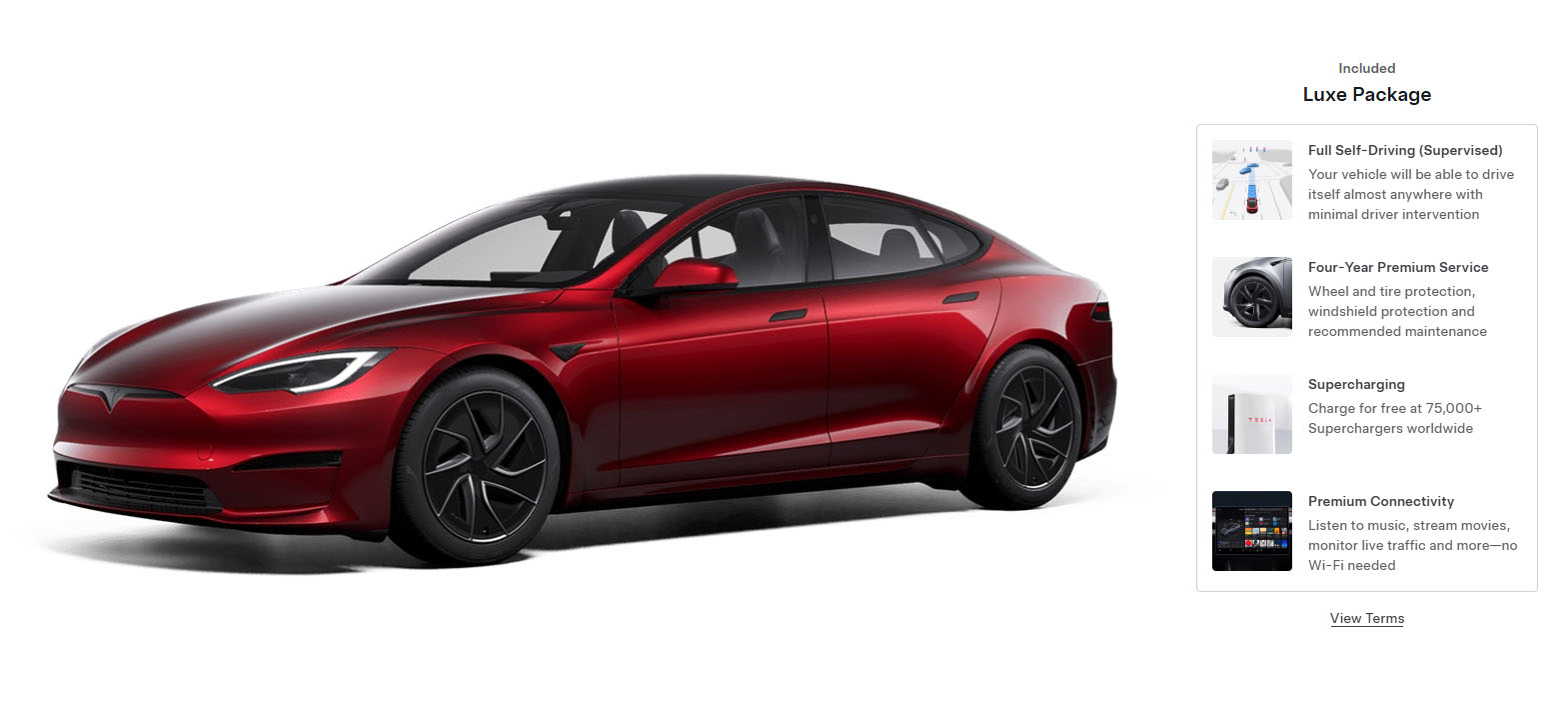
While the standalone option is gone, Tesla has carved out a clear exception for its flagship vehicles. New purchases of the Model S and Model X—specifically when configured with the Luxe Package—continue to include FSD as part of the bundle. This package, introduced last August, groups premium features like enhanced interior materials and the now-integrated FSD. Furthermore, buyers of the top-tier Cybertruck Cyberbeast trim also retain the ability to add FSD as an upfront purchase. This tiered strategy effectively positions outright FSD ownership as an exclusive perk of premium vehicle acquisition, enhancing the value proposition of Tesla's most expensive models.
The decision to maintain this pathway for luxury buyers is analytically sound. It protects the high-margin package structure of the Model S and X, which have seen their unique selling propositions evolve in a crowded EV market. For the Cyberbeast, it reinforces its status as the ultimate, no-compromise version of Tesla's most avant-garde product. This creates a clear hierarchy: recurring access for the mainstream Model 3 and Y owner, and bundled, permanent ownership for the luxury and halo vehicle customer.
For Tesla owners and investors, the implications are multifaceted. Prospective buyers of standard models must now weigh the long-term cost of a subscription against the benefit of no upfront payment. For TSLA investors, the shift promises a more predictable and high-margin recurring revenue stream from software, a key metric Wall Street closely watches. However, it also places immense pressure on Tesla to rapidly advance FSD's capabilities and regulatory approval to retain and grow its subscriber base. The luxury bundle exception, meanwhile, should help sustain demand and margins on flagship vehicles, ensuring Tesla's premium segment continues to contribute robustly to the bottom line while showcasing the brand's technological pinnacle.