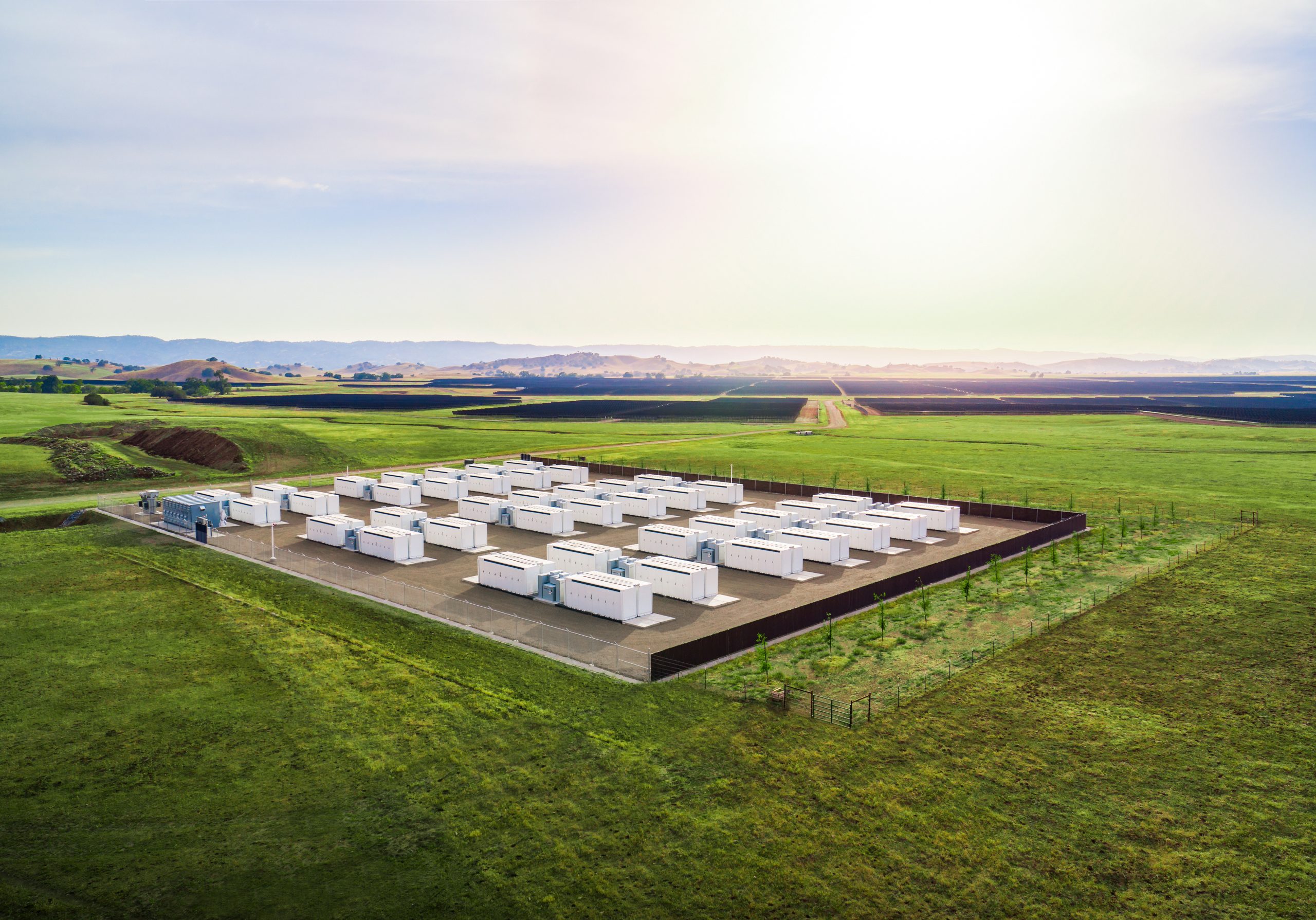
Ontario's ambitious push to modernize its electrical grid has reached a critical inflection point with the activation of a landmark energy storage project. The new 300-megawatt (MW) / 1,200-megawatt-hour (MWh) facility, powered entirely by Tesla Megapack systems, is now officially online, cementing its status as the largest operational battery energy storage system (BESS) in Canada. This $325 million project represents a significant leap forward in grid reliability and a powerful endorsement of utility-scale battery technology as a cornerstone of a clean energy future.
A Strategic Pillar for Ontario's Grid Reliability
The deployment of this massive Tesla Megapack installation is a direct response to Ontario's evolving energy needs. As the province phases out coal and integrates more intermittent renewable sources like wind and solar, the demand for fast-responding grid stability solutions has skyrocketed. The new facility acts as a giant shock absorber, capable of injecting or absorbing vast amounts of electricity in milliseconds. This functionality is crucial for frequency regulation, preventing brownouts during peak demand, and providing essential backup capacity. By storing excess energy when demand is low and discharging it during high-use periods, the system ensures a more balanced and resilient grid for millions of residents and businesses.
The Tesla Megapack: Engine of the Energy Transition
At the heart of this project are Tesla's utility-grade Megapack batteries, which have become the industry benchmark for large-scale storage. Each Megapack is a fully integrated system, combining lithium-ion battery modules, power conversion equipment, and thermal management into a single, streamlined unit. This plug-and-play design allows for rapid deployment and scalability, a key factor in meeting aggressive project timelines. The Ontario facility's sheer scale—delivering enough energy to power approximately 250,000 homes for several hours—showcases the Megapack's ability to move beyond conceptual pilots into foundational grid infrastructure. It is a tangible demonstration that battery storage is no longer a supplementary technology but a primary tool for grid operators.
This project also underscores a broader trend of deepening partnerships between Tesla Energy and public utility entities. While Tesla's automotive division captures headlines, its energy generation and storage business is achieving quiet yet profound milestones. The successful commissioning of the Ontario site serves as a high-profile reference case, likely accelerating adoption in other regions facing similar grid modernization challenges. It proves the commercial and operational viability of Megapack technology in a demanding, large-scale environment.
Implications for Tesla Owners and Investors
For Tesla owners and investors, the Ontario milestone is a multi-faceted positive signal. It validates the Tesla Energy division as a significant and growing revenue stream, diversifying the company beyond automotive manufacturing. Every large-scale deployment strengthens Tesla's data advantage and operational expertise, creating a formidable moat in the rapidly expanding grid storage market. For electric vehicle owners in Ontario and beyond, a more resilient and cleaner grid directly supports the long-term value proposition of EV ownership, ensuring that the power needed to fuel the transportation revolution is itself reliable and sustainable. This project exemplifies the synergistic vision of Tesla: accelerating the world's transition to sustainable energy, one megawatt at a time.