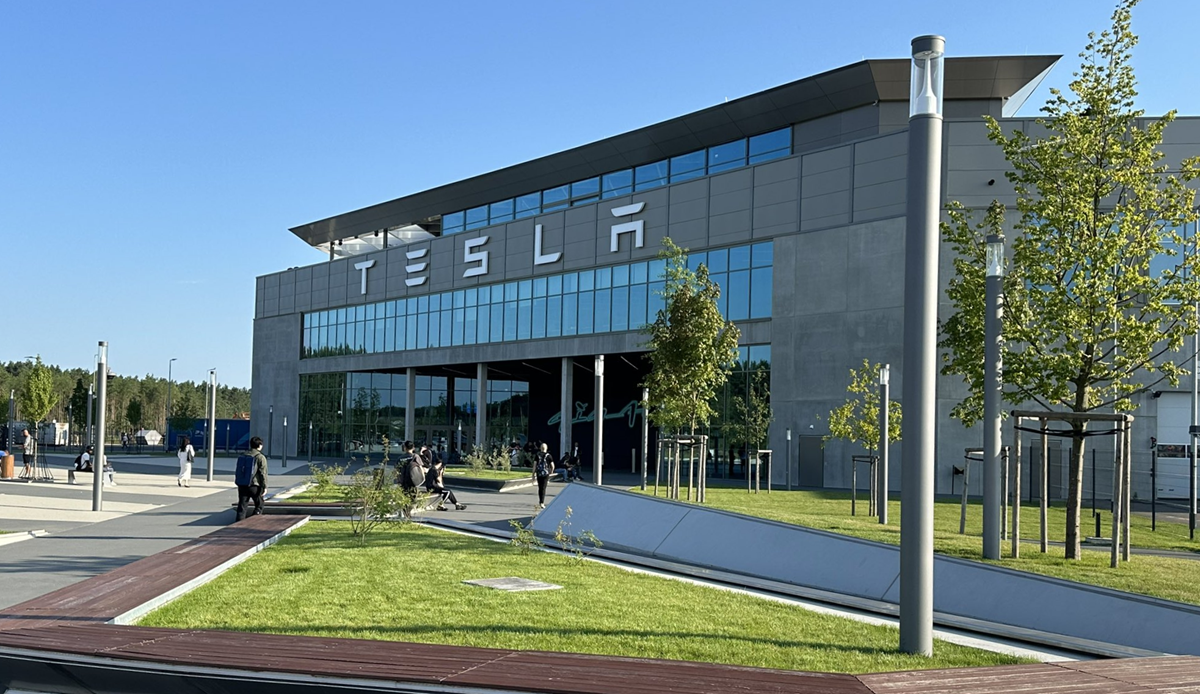
In a significant escalation of the ongoing labor dispute at its only European production hub, Tesla is now facing a formal legal challenge in Germany. The nation's most powerful union, IG Metall, has filed a lawsuit to invalidate the results of the recent works council election at the Gruenheide factory, alleging procedural irregularities. This move transforms a simmering conflict into a high-stakes courtroom battle, casting a shadow over Tesla's ambitious expansion plans for the continent and testing its unique corporate culture against Germany's deeply entrenched industrial relations framework.
A Clash of Systems: American Disruption Meets German Codetermination
The core of the dispute lies in the fundamental German principle of Mitbestimmung, or codetermination, which grants employees substantial influence through elected works councils. IG Metall, which has been actively organizing at the site, contends that Tesla management interfered in the election process, creating an uneven playing field. The union's specific allegations, which have not been fully detailed publicly, likely focus on the timing and conditions of the vote, access to employees, or the conduct of management representatives. For Tesla, which has historically resisted unionization efforts globally and promotes direct communication with its workforce, the lawsuit represents a direct challenge to its operational philosophy on hostile terrain.
Broader Implications for Tesla's European Ambitions
This legal action is far more than a procedural squabble; it is a strategic maneuver with wide-reaching consequences. A court ruling in favor of IG Metall could force a new election, potentially yielding a works council more aligned with the union's vision. This would significantly strengthen organized labor's foothold within the factory, potentially impacting future negotiations on wages, working conditions, and the pace of production. The lawsuit arrives at a critical juncture as Tesla seeks to ramp up the Gruenheide plant to its full capacity of 500,000 vehicles annually and gain approval for a contentious expansion that would double the site's size. Persistent labor unrest and legal entanglements could slow these ambitions, affecting output and investor confidence in Tesla's European strategy.
For Tesla owners and investors, the situation demands close attention. Protracted legal battles or intensified labor disputes at Gruenheide pose a tangible risk to production stability and delivery timelines for European customers, potentially affecting wait times for the Model Y and any future models produced there. Financially, any court-ordered changes to operational practices or a shift toward union-scale wages could pressure the factory's cost structure and profitability. Ultimately, this case will serve as a crucial test of whether Tesla's disruptive model can be sustainably integrated into Europe's rigid industrial landscape, with the outcome influencing the company's labor relations approach not just in Germany, but potentially worldwide.