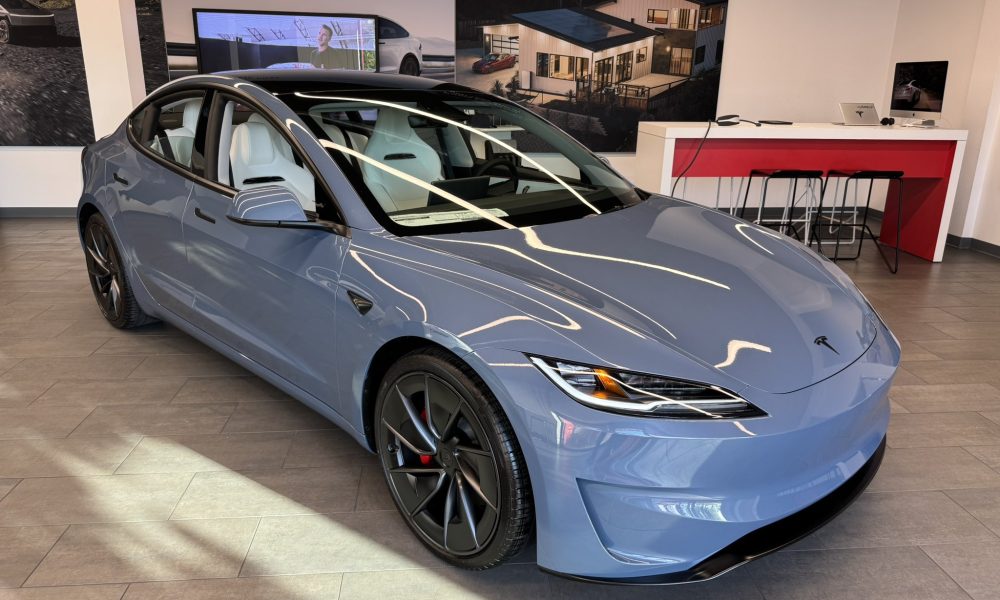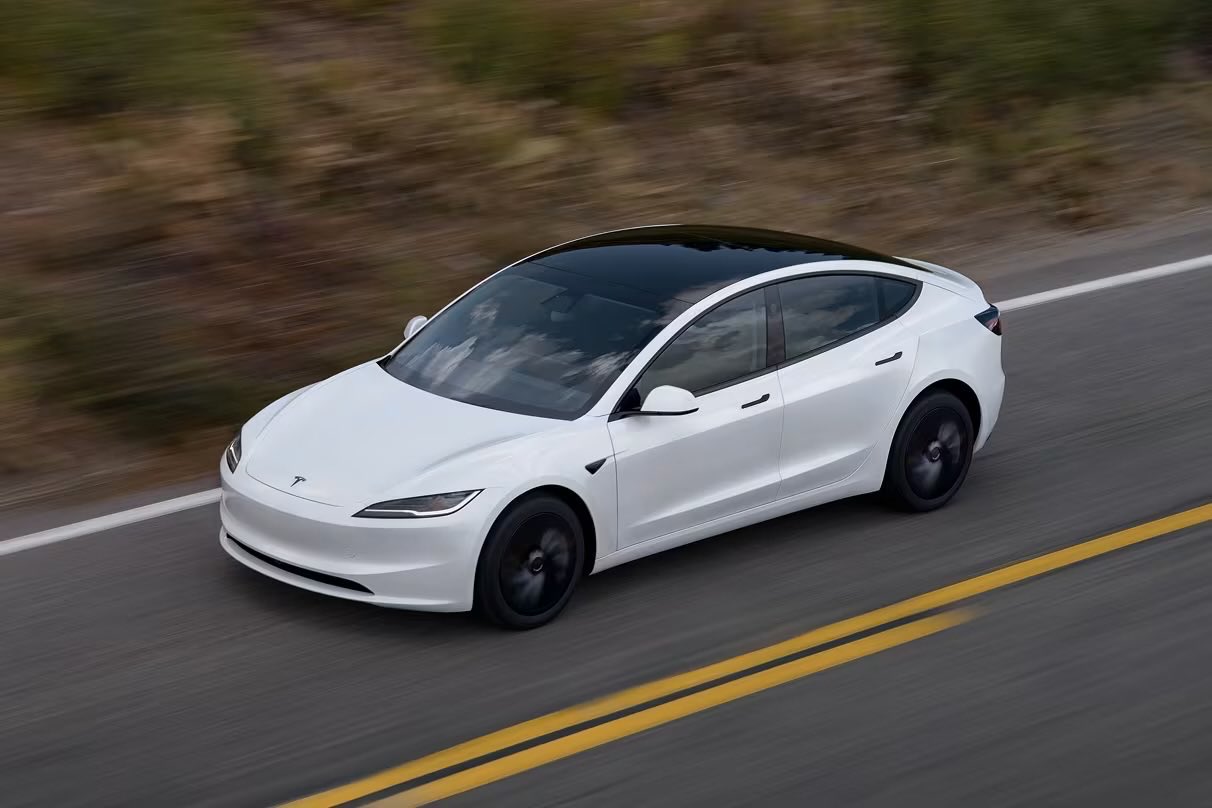
After a decade of loyal ownership, trading the keys to a benchmark-setting BMW 3 Series diesel for a Tesla Model 3 feels less like a simple car swap and more like a fundamental shift in personal mobility philosophy. The transition from a revered internal combustion icon to a leading electric vehicle is paved with unexpected revelations that go far beyond the obvious fuel savings. For those considering a similar leap, the real-world nuances—both exhilarating and challenging—are what truly define the EV ownership experience.
The Silent Revolution: Performance and Daily Rituals
The most immediate and profound change is the drivetrain. The instant, silent torque of the Model 3's electric motor renders the BMW's praised diesel performance, which once felt sharp, suddenly laggy and mechanical. The daily ritual of refueling vanishes, replaced by plugging in at home—a convenience that cannot be overstated. However, this new routine demands planning. Spontaneous long-distance trips now require a brief consultation with the in-car navigation, which brilliantly pre-plots charging stops, calculating arrival states down to the minute. The mental shift from "range anxiety" to "route awareness" is significant and, once mastered, liberating.
Software-Defined Driving: A Double-Edged Sword
My BMW felt like a finished product the day I drove it off the lot. The Tesla Model 3, by stark contrast, feels alive. Over-the-air updates can suddenly deliver new features, performance tweaks, or improved efficiency, making the car feel perpetually new. This software-centric approach extends to the minimalist interior, where almost every control is managed via the central 15-inch touchscreen. While sleek and futuristic, this demands a period of adjustment; simple actions like adjusting wipers or vents become screen-based interactions, a trade-off for a clean, uncluttered cabin. The build quality, a historical point of critique, in my vehicle was tight and impressive, rivaling the solidity of the German benchmark.
The ownership cost narrative holds true but with subtle layers. The elimination of diesel fuel costs and drastically reduced service needs (no oil, filters, or complex transmission services) delivers substantial savings. Yet, one must factor in the potential need for home charging installation and the reality of tire wear—the instant torque and substantial weight of EVs can lead to faster tire replacement than in a comparable sedan. Insurance costs can also be higher, a detail often overlooked in initial calculations.
Implications for Tesla Owners and Investors
For prospective Tesla owners, this journey underscores that switching to a premium EV is as much about adapting to a new technology ecosystem as it is about driving. The value proposition is compelling, but it rewards those who embrace its connected, software-driven nature. For Tesla investors, these firsthand accounts are critical. They validate the company's power to not just sell cars, but to successfully convert loyalists from established premium brands, creating sticky customers within its evolving ecosystem. The real battleground is no longer just range or horsepower, but the seamless integration of technology into daily life—a domain where Tesla continues to hold a formidable, experience-driven lead.