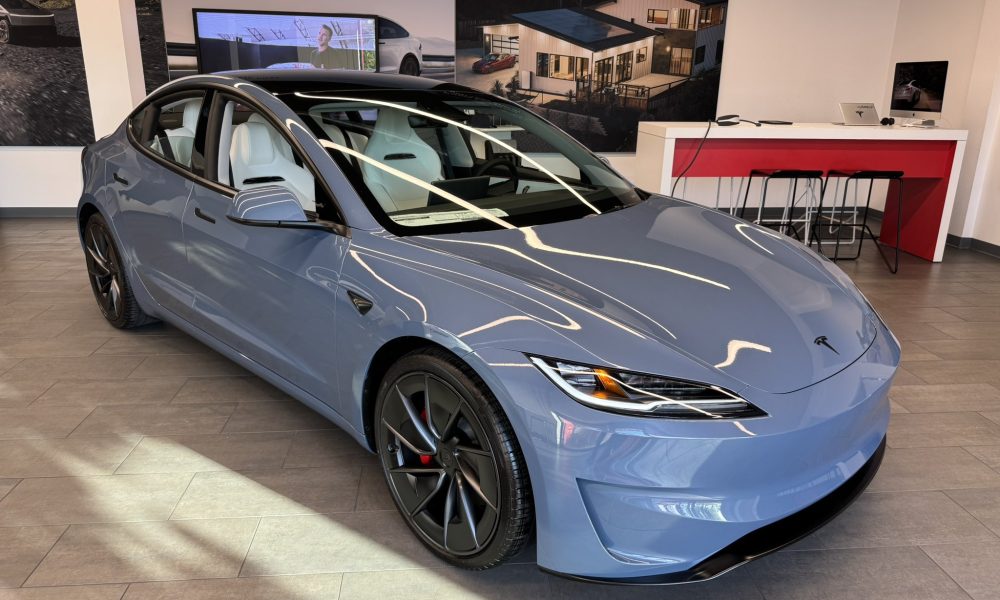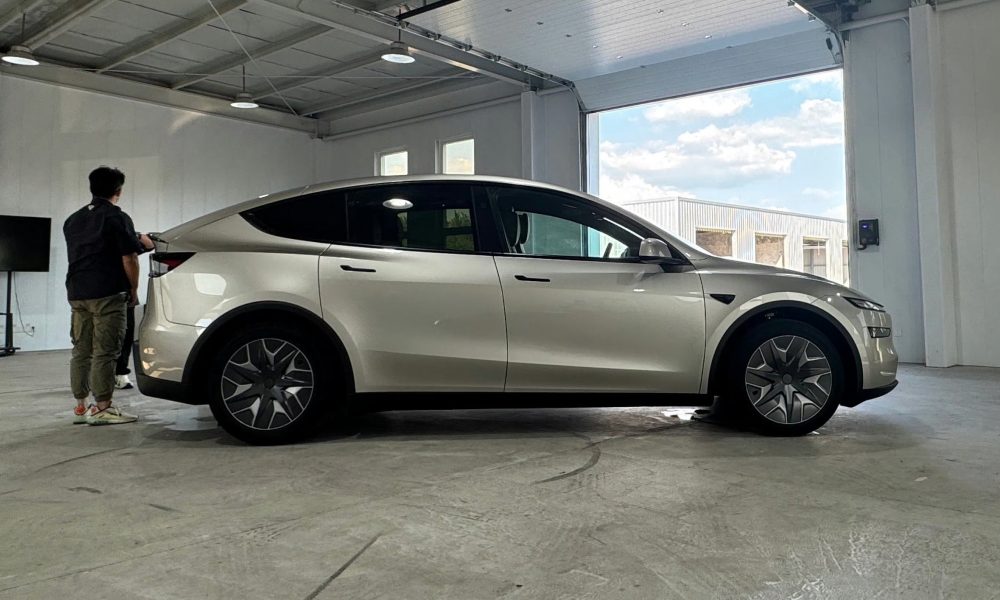
After years of navigating a complex regulatory maze, Tesla is on the cusp of a strategic breakthrough in one of the world's most promising automotive markets. Industry sources confirm the company is actively preparing to launch a new, locally assembled variant of its best-selling Model Y in India. This move signals a pivotal shift from Tesla's previous import-only approach, which was rendered commercially unviable by prohibitive tariffs, to a committed local manufacturing strategy aimed at finally capturing a foothold in this elusive market.
From Tariff Standoff to Local Assembly Pivot
Tesla's journey into India has been a masterclass in patience and negotiation. For years, the company's plans were stymied by the country's steep import duties, which ranged from 70 percent to 110 percent on fully built electric vehicles. This policy effectively priced the Model 3 and Model Y out of reach for all but a tiny segment of luxury buyers, making a meaningful market entry impossible. The breakthrough came with a new policy from the Indian government in 2024, offering reduced import taxes to automakers committing to significant local investment and production. Tesla's response—to prepare a Made-in-India Model Y—is the direct result of this hard-won compromise, balancing initial imports with a firm pledge to establish a domestic supply chain.
The Strategic Importance of the Indian EV Frontier
India represents the ultimate high-stakes frontier for global EV manufacturers. It is the world's third-largest automobile market, yet electric vehicles constitute less than 2% of total sales, indicating immense growth potential. For Tesla, a successful entry does more than open a new sales channel; it establishes a critical manufacturing hub for potentially more affordable future models and serves as a strategic export base to other right-hand-drive markets in Asia and beyond. Success in India would validate Tesla's global expansion playbook beyond China and Europe, proving it can adapt to highly price-sensitive markets with tailored products and localized production.
The new India-specific Model Y trim is expected to be a calculated offering. Analysts anticipate it may feature a smaller LFP battery pack to optimize for lower costs and India's predominantly urban driving patterns, alongside a focus on enhanced cabin cooling for the climate. This targeted engineering reflects a mature approach to market entry, differing from simply exporting existing global configurations. It demonstrates Tesla's willingness to adapt its core technology to meet specific regional demands and price points, a flexibility that will be essential for long-term dominance.
Implications for Tesla's Global Trajectory
For Tesla owners and investors, the India move is a signal of the company's next major growth phase. Establishing local production diversifies Tesla's manufacturing footprint, reducing geopolitical and supply chain risks concentrated in other regions. It also positions the company to eventually develop and produce a true low-cost "global car" from India, a project long hinted at by CEO Elon Musk. In the near term, a successful Model Y launch could provide a fresh demand lever and positive narrative as competition intensifies in its established markets. The foray into India is more than a new market entry; it's a foundational investment in Tesla's future as a truly global, mass-market automotive leader.