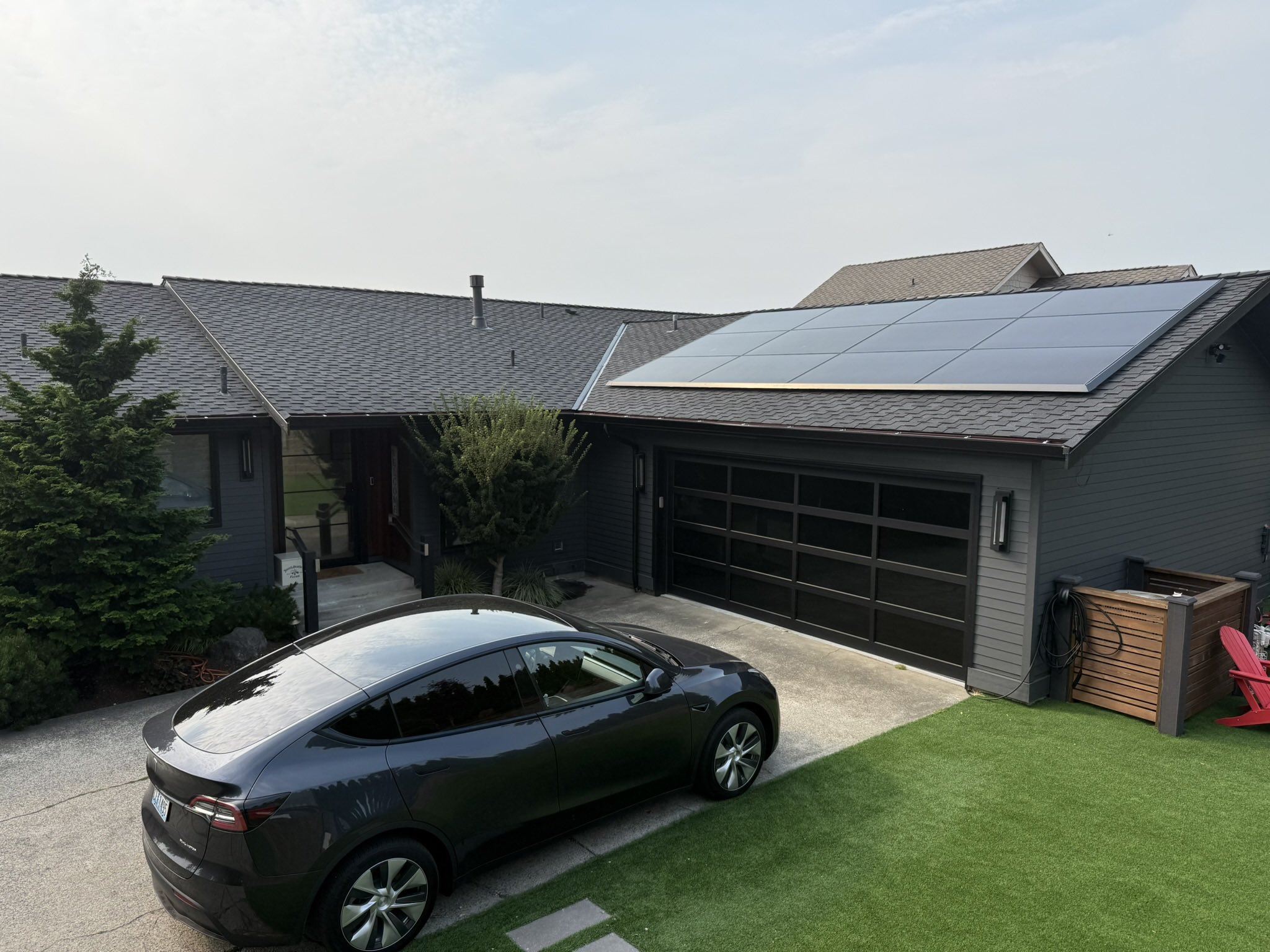
For many, the dream of owning a Tesla is tempered by the stark reality of its new-car price tag. I was firmly in that camp, watching the €33,000 entry point for a new Model 3 from a distance. With a hard ceiling of €27,000, my options seemed limited to older, high-mileage examples—until a listing for a Model 3 Long Range with enhanced autopilot appeared. Three months and several thousand kilometers later, the journey into used EV ownership has been an illuminating lesson in value, compromise, and the evolving electric vehicle marketplace.
The Allure and Anxiety of the Pre-Owned EV Purchase
The buying process was a digital deep dive into vehicle history. Using the VIN, I scrutinized the electric vehicle's service records and battery health report, which showed a minimal 7% degradation—a key factor in my decision. The car, a 2019 model, came with the coveted Enhanced Autopilot suite, a feature that would add thousands to a new build. However, the transaction lacked the traditional dealership safety net, placing the onus on me to verify every claim. The initial drive was a revelation: the silent, instantaneous acceleration and tech-centric cabin felt every bit as premium as a new model, masking its age completely.
Living with a Veteran Model 3: The Highs and Lows
Daily life with the car has been overwhelmingly positive. The Long Range battery easily handles my weekly commute with just one charge, and the performance remains breathtaking. The software, updated over-the-air just like a new Tesla, keeps the infotainment feeling fresh. Yet, ownership has not been without its nuances. The vehicle is no longer under the 8-year battery and drive unit warranty, introducing a new layer of financial consideration for major components. I've also noticed minor wear on the driver's seat bolster and a faint rattle in the passenger door—small reminders of its previous life that a new car buyer wouldn't encounter.
Perhaps the most significant adjustment has been acclimating to an older iteration of Tesla's hardware. My car is equipped with the HW3 computer, which is capable but represents a previous generation of sensor and processing technology. While it performs flawlessly on highways, its capabilities are now fixed in time, unlike the continuous evolution promised by Tesla's latest full self-driving hardware. This is the core trade-off: acquiring premium features from a past era at a compelling price, but accepting that the hardware roadmap has moved on.
Implications for Tesla Owners and Investors
This experience underscores the robust value proposition of used Teslas, which is a double-edged sword for the company. For consumers, the thriving pre-owned market makes the brand accessible, fostering a wider ecosystem and potentially fueling brand loyalty for future new purchases. For Tesla investors, it highlights the importance of software and services revenue. As cars like mine age out of their core warranties, owners become potential customers for paid upgrades, subscription services like Full Self-Driving, and out-of-warranty repairs—creating a secondary revenue stream long after the initial sale. The resilience and updatability of these vehicles ensure they remain competitive for years, solidifying Tesla's market presence but also setting expectations for long-term support.


