In a move that signals its most profound strategic pivot since the advent of the Model 3, Tesla has declared its ambition to dominate not just the roads, but the very source of energy that powers them. During the Q4 2025 earnings call on January 28, 2026, CEO Elon Musk reframed the company's core mission, positioning it as a future titan of global photovoltaics. This announcement marks a decisive shift from viewing Tesla's energy division as a complementary business to establishing it as a central pillar of growth, with the solar cell itself becoming the new focal point of technological and manufacturing prowess.
The Strategic Pivot: From EV Maker to Energy Producer
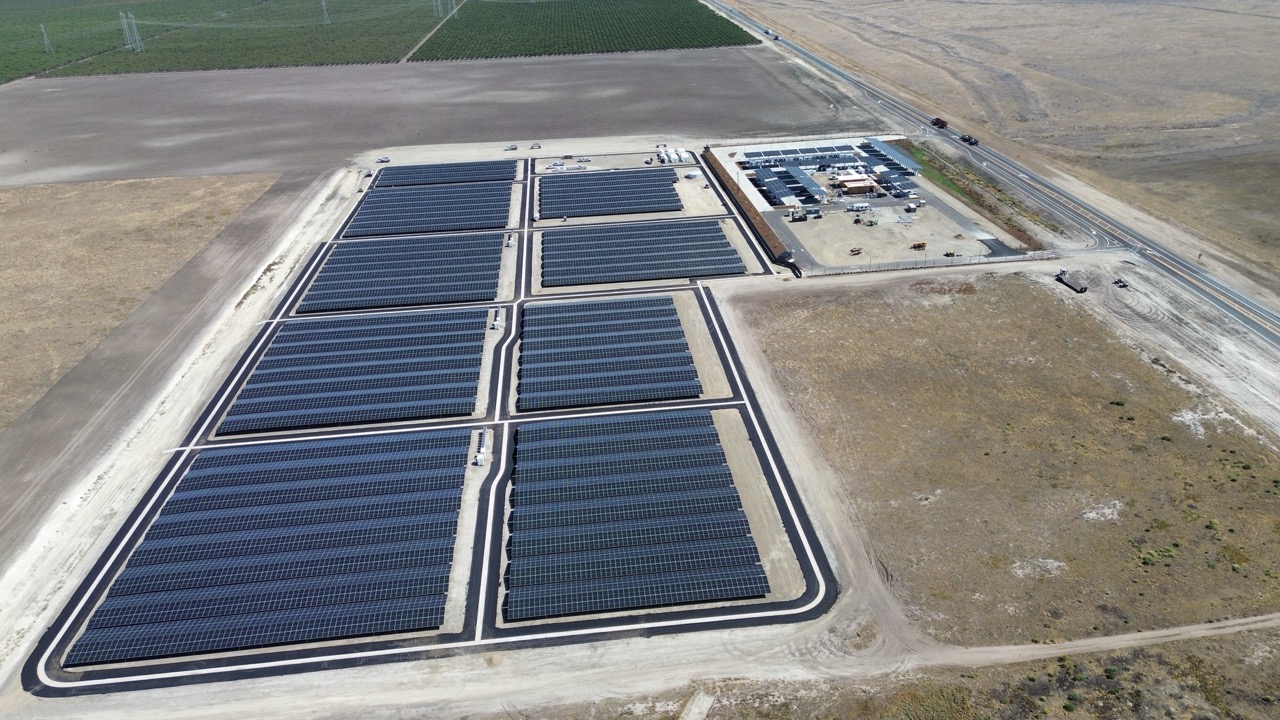
Musk's vision transcends simply selling more solar roofs and Powerwalls. The new strategy hinges on Tesla becoming a low-cost, high-volume manufacturer of photovoltaic cells. The company plans to leverage its expertise in gigacasting, advanced material science, and factory automation—honed in its automotive sector—to revolutionize solar panel production. The goal is to achieve a level of efficiency and scale that undercuts existing global suppliers, thereby addressing what Musk identified as the critical bottleneck in the world's transition to sustainable energy: the cost and volume of solar cells themselves. This isn't just an expansion; it's a vertical integration play for the entire Tesla ecosystem.
Leveraging the Tesla Ecosystem for Disruption
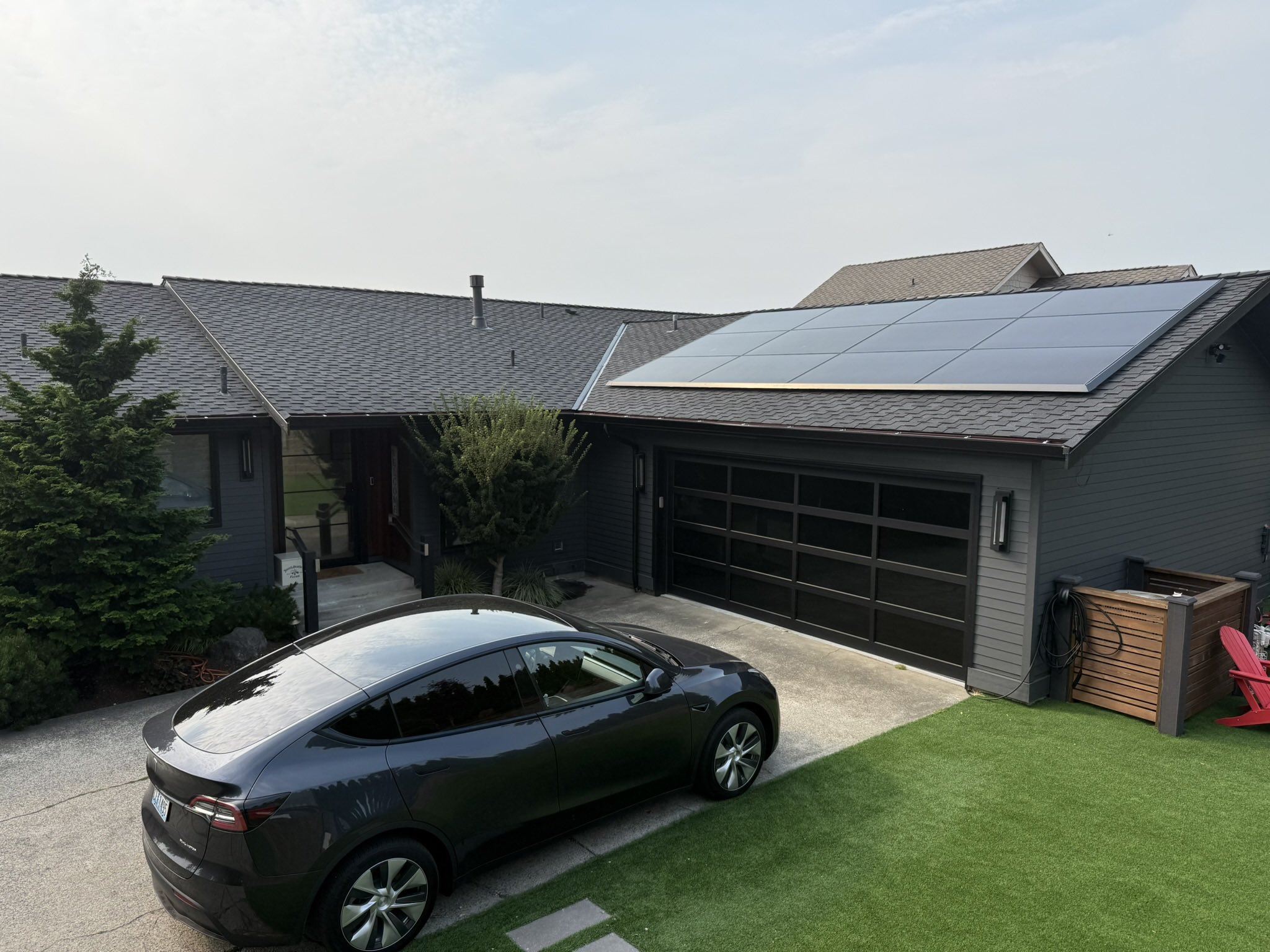
The genius of Tesla's photovoltaic ambition lies in its synergistic potential. A Tesla-manufactured solar cell would feed directly into the company's integrated energy products: the Solar Roof, the Megapack for utility-scale storage, and the Powerwall for homes. By controlling the entire chain from cell production to final installation and software management, Tesla can drive down costs, ensure quality, and create a seamless user experience unmatched in the industry. Furthermore, this move dovetails with the explosive demand for electricity driven by other Tesla ventures, including its Supercharger network and the anticipated growth of autonomous EV fleets, all of which will require vast amounts of clean, cheap power.
For Tesla owners and investors, the implications are significant. Owners can expect a more cohesive, cost-effective energy solution for their homes and vehicles, potentially increasing the value proposition of the Tesla brand beyond transportation. For investors, this represents a massive new total addressable market. The energy business, historically a smaller revenue segment, is now poised to rival the automotive division in scale. However, this bold expansion also carries execution risk, requiring substantial capital investment and success in a highly competitive manufacturing sector. The market will be watching closely for progress on the promised cost reductions and production timelines. Ultimately, this pivot solidifies Tesla's identity as a comprehensive sustainable energy company, betting its future on becoming the world's engine for solar generation.