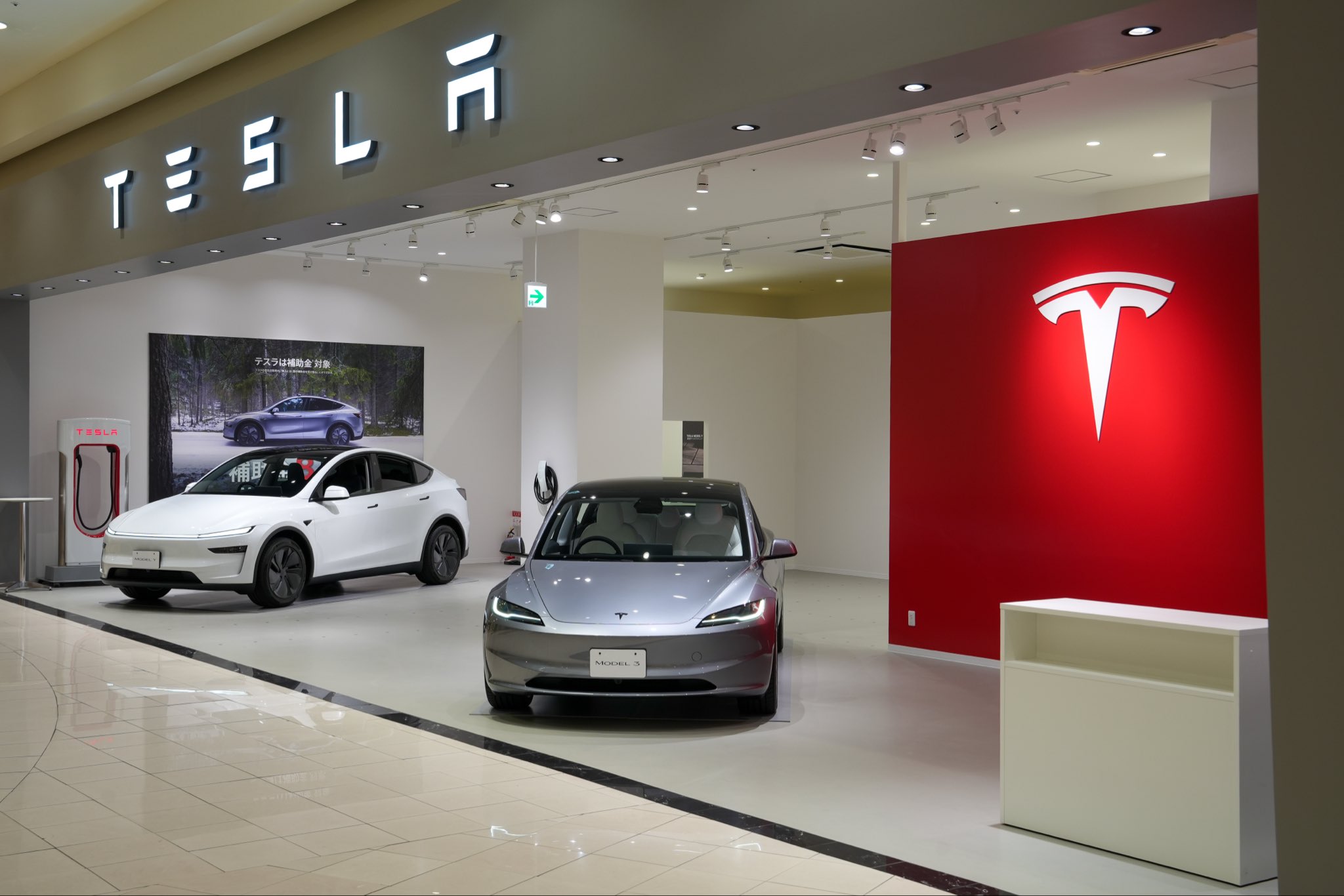
In a strategic pivot that has sent shockwaves through the automotive and investment communities, Tesla has reportedly shifted its focus back to the mass-market electric vehicle, a segment many thought it had abandoned. Following the high-profile cancellation of the much-anticipated, $25,000 "Model 2" project, insiders now confirm the company is actively developing a new, dedicated small EV platform. This move raises a fundamental question about Tesla's core identity: after its bold pivot to champion humanoid robots (Optimus) and artificial intelligence as its primary future, is the world's most valuable automaker signaling a return to its roots?
The Model 2 Pivot and the Robotic Future
Tesla's initial decision to shelve the Model 2 was framed not as a retreat, but as a radical reallocation of resources. CEO Elon Musk redirected engineering talent toward the development of a "robotaxi" fleet built on a next-generation, low-cost vehicle platform. This vision positioned Tesla less as a traditional car company and more as a disruptive mobility and AI enterprise, with the Optimus bot presented as a potential trillion-dollar product. The message was clear: autonomy and robotics were the new priorities, with consumer EVs taking a secondary role in the long-term master plan.
A New Small EV Emerges from the Shadows
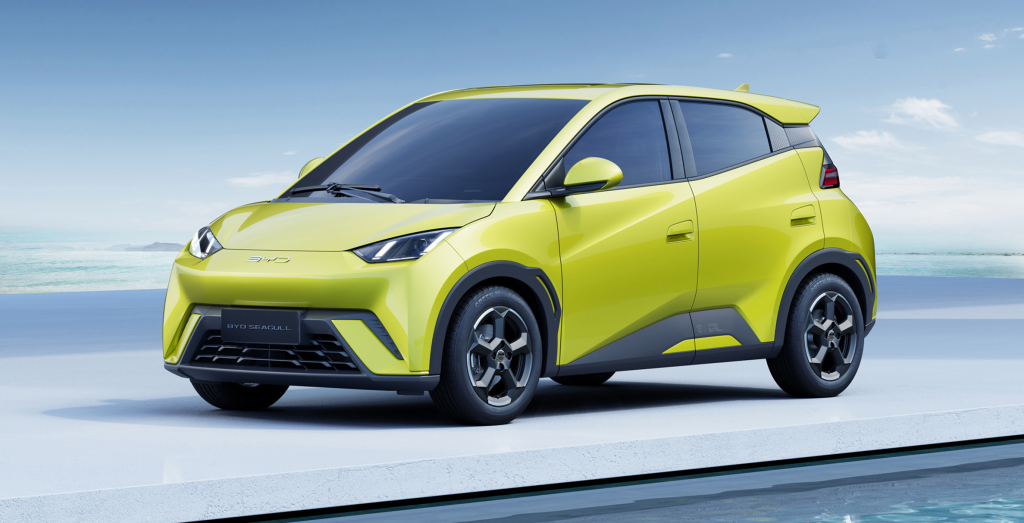
Despite that narrative, new reporting indicates that work on an affordable Tesla never fully ceased. Instead of the Model 2, engineers are now developing a new, standalone small EV platform. This vehicle is understood to be distinct from the dedicated robotaxi, aiming squarely at the global compact car segment. The initiative appears to be a direct response to intense competitive pressure from a flood of compelling Chinese EVs from companies like BYD, as well as upcoming affordable models from established automakers. Tesla seems to have recognized that ceding the high-volume, entry-level market could stunt its growth and undermine its mission to accelerate the world's transition to sustainable energy.
Balancing Dual Futures: Cars and AI
This development reveals Tesla's attempt to execute a delicate balancing act. The company is not abandoning its futuristic bets; development on the robotaxi and Optimus continues at pace. However, it is now publicly re-embracing its foundational business: manufacturing and selling electric cars at scale. The challenge will be executing on both fronts simultaneously without diluting focus or capital. Can Tesla's streamlined organization, famous for its intensity on single goals, effectively manage parallel, capital-intensive paths to revolutionize both transportation and robotics?
For Tesla owners and investors, this strategic clarification is a double-edged sword. A renewed commitment to an affordable EV expands Tesla's total addressable market and provides a clear pathway to the 20 million annual vehicle target Musk has long championed. It also offers a more tangible near-term product catalyst compared to the longer timelines of full autonomy and commercial robotics. However, it necessitates massive ongoing capital expenditure in manufacturing—funds that will now be split between gigafactories and AI research. The market will watch closely for execution risks, but one thing is now certain: Tesla is not walking away from the car business. It is gearing up for a two-front war on the future of both mobility and automation.