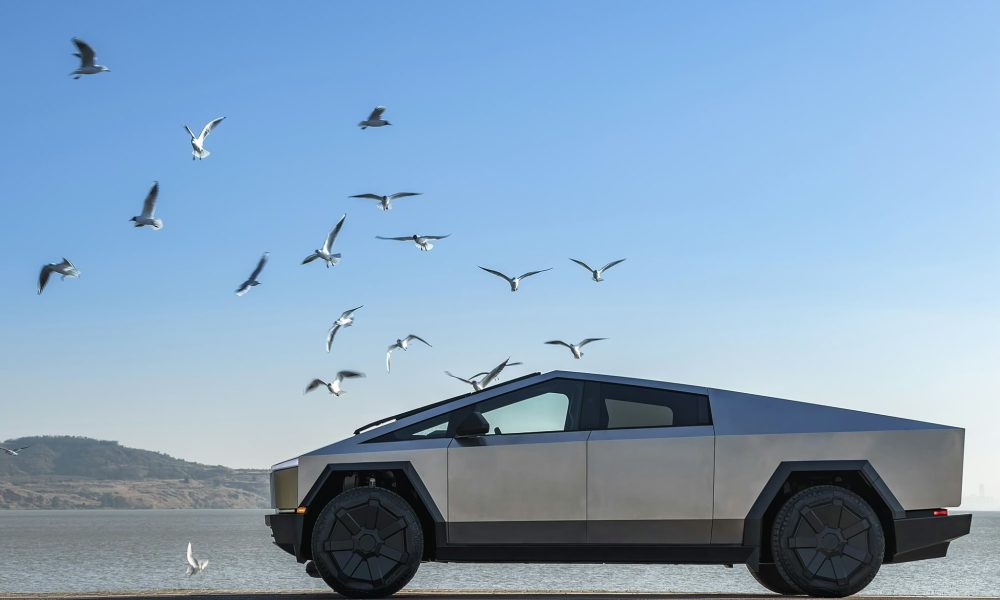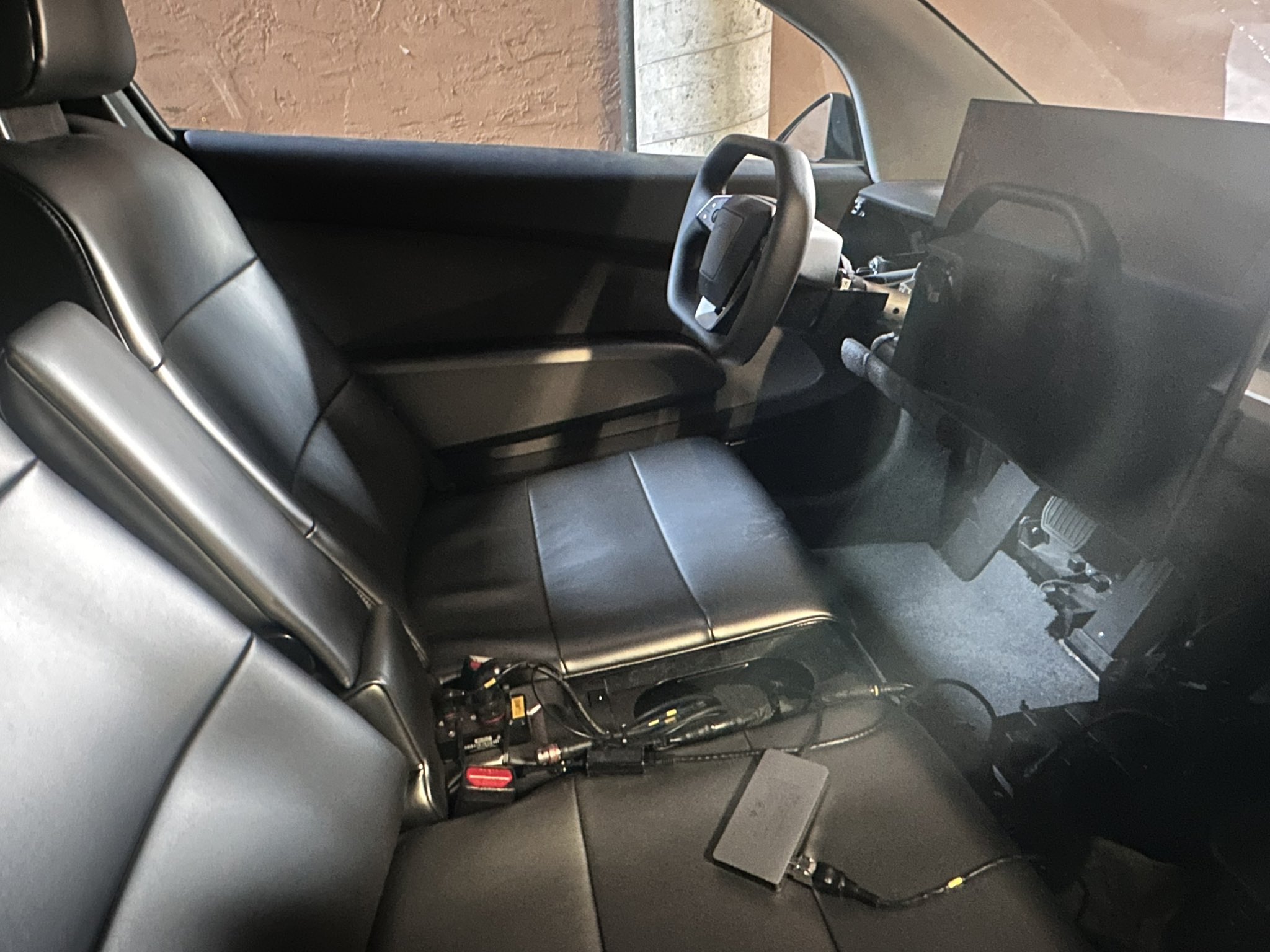
For years, the promise of a fully autonomous Tesla has been a North Star for the company and its investors. That vision is now crystallizing into a tangible, radical interior. Recent glimpses of the Tesla Cybercab pre-production units reveal a cabin designed not just for self-driving, but to fundamentally erase the driver's role, replacing it with an immersive passenger experience. This isn't an evolution of the car interior; it's a revolution aimed squarely at the future of mobility.
A Cabin Reborn: From Cockpit to Lounge
The most jarring and significant change is the complete absence of a steering wheel, pedals, and a traditional driver's binnacle. In their place, the cabin is reimagined as a symmetrical, passenger-centric space. The focal point is a massive, centrally mounted 20.5-inch touchscreen, positioned to be easily accessible to all occupants. This display isn't for driving data; it's the command center for climate, lighting, and, most importantly, entertainment. With the driving task handled by Tesla's Full Self-Driving (FSD) system, the interior transforms into a private lounge on wheels.
The Screen as the New Soul of the Vehicle
This central screen is more than just an infotainment upgrade. It becomes the soul of the Cybercab, facilitating everything from trip routing and media streaming to video conferencing and ambient environment controls. The minimalist aesthetic extends throughout, with clean lines, premium materials, and strategic lighting likely enhancing the sense of space and calm. The design philosophy is clear: when the vehicle drives itself, every component must serve the passenger's comfort and connectivity, not the mechanics of operation.
The push for this radical design is underpinned by Tesla's aggressive timeline, with initial production reportedly slated for April 2026. This date is not arbitrary; it aligns with Elon Musk's repeated projections for achieving a robust, regulatory-approved autonomous system. The Cybercab interior is a physical bet on that software's success. It also serves as a direct challenge to legacy automakers and EV rivals, who are often designing vehicles with one foot in the present, still accommodating human drivers in their autonomous concepts.
For Tesla owners and investors, the Cybercab interior is a signal of profound strategic intent. It validates the immense R&D expenditure on FSD and demonstrates a path to monetizing the "Tesla Network" of robotaxis. The success of this vehicle hinges entirely on the reliability and regulatory approval of its autonomous software. If successful, it could unlock a high-margin, recurring revenue stream that dwarfs traditional car sales. For current owners, it previews a future where their own vehicles might gain value as autonomous assets, while setting a new benchmark for what to expect from the interior of a Tesla in the latter half of this decade.