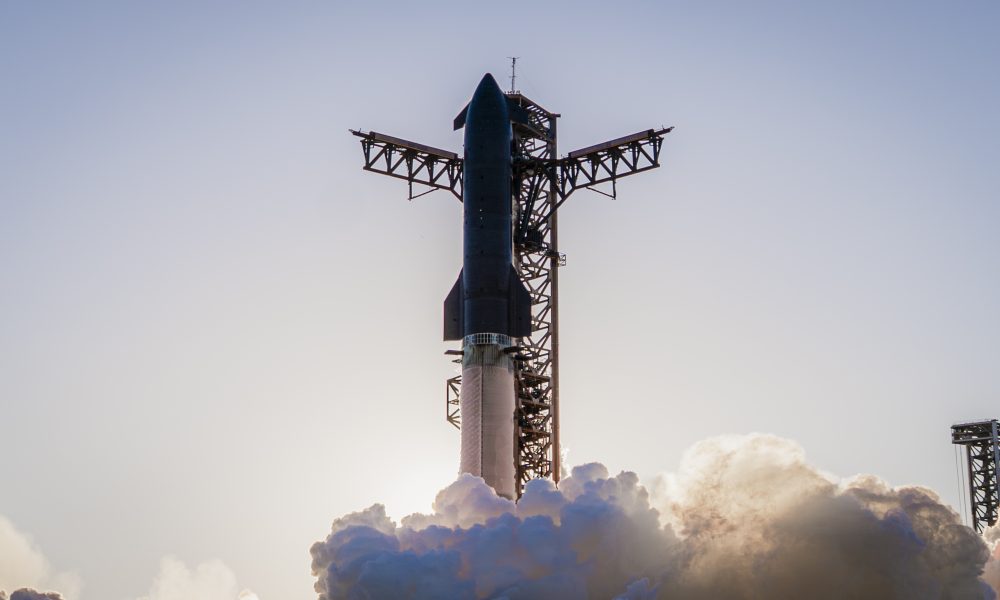
In a move that blurs the lines between terrestrial and extraterrestrial infrastructure, the Federal Communications Commission (FCC) has formally accepted SpaceX's groundbreaking application for its "Orbital Data Center" project. This procedural step, often overlooked, is the critical first domino that places Elon Musk's audacious vision of a one-million-unit constellation of data-processing satellites into the official regulatory review pipeline. The initiative, far more ambitious than mere internet provision, aims to offload intensive computational tasks from Earth to space, leveraging the unique advantages of orbital mechanics and global coverage.
Beyond Starlink: The Computational Constellation
While Starlink has focused on beaming broadband internet across the globe, the Orbital Data Center proposal represents a fundamental evolution of the satellite network's purpose. The concept envisions a massive constellation of advanced satellites equipped not just with communication links, but with significant onboard computing power. These orbital servers could handle latency-tolerant, energy-intensive workloads like AI model training, big data analytics, and immersive rendering for the metaverse. By processing data in space and transmitting only the results, the system could reduce terrestrial energy consumption and bypass the physical limitations of undersea cables and ground-based data centers.
The Regulatory Hurdle and Strategic Timing
The FCC's acceptance of the filing initiates a complex review that will scrutinize spectrum use, orbital debris mitigation, and international coordination. SpaceX is not operating in a vacuum; it must demonstrate its mega-constellation won't interfere with existing satellite or terrestrial services. This filing arrives as the demand for computational power, particularly for artificial intelligence, is experiencing exponential growth, straining global energy grids and physical infrastructure. SpaceX's proposal positions its orbital network as a novel solution to this impending bottleneck, suggesting a future where the final frontier becomes a key pillar of the digital economy.
For Tesla, the implications are profound and multifaceted. The most direct connection is through the Dojo supercomputer project, Tesla's in-house system designed for processing vast amounts of video data to train its Full Self-Driving (FSD) AI. The computational demands for achieving generalized autonomy are staggering. A future, symbiotic relationship where Tesla could contract with SpaceX's orbital data centers for non-time-critical FSD training cycles is a distinct possibility, creating a powerful vertical integration loop within Musk's ecosystem.
Implications for Tesla Owners and Investors
For Tesla owners, the long-term promise is an accelerated path to more capable and efficiently trained autonomous driving systems. For investors, the FCC's action underscores the growing, often underappreciated, synergy between SpaceX and Tesla. Success in orbit could directly subsidize and accelerate innovation on the road. Furthermore, it positions the combined enterprise at the forefront of two existential technological races: sustainable energy/transport and next-generation computational scale. While the orbital data center concept faces significant technical and regulatory challenges, its formal entry into the FCC's queue marks the moment a sci-fi ambition became a serious business proposition with tangible potential to reshape the infrastructure behind Tesla's core ambitions.

