The electric vehicle price war, once a simmering skirmish, has erupted into a full-scale offensive that is fundamentally reshaping the automotive market. New data reveals a stunning acceleration in the narrowing price gap between EVs and their internal combustion counterparts, bringing the promise of cost parity—long the holy grail of the industry—firmly into view. This seismic shift, driven by aggressive pricing strategies and evolving market dynamics, is no longer a future projection but a present-day reality with profound consequences for consumers and manufacturers alike.
The Shrinking Premium: A Data-Driven Reality
According to the latest analysis from Kelley Blue Book, the average transaction price for a new electric vehicle in the United States fell significantly in recent months. The critical metric, however, is the comparison to traditional gas-powered cars. The data shows the price gap has contracted to its smallest point on record. Where EVs once commanded a substantial premium, often cited as a primary barrier to consumer adoption, that financial hurdle is now collapsing. This trend is propelled by a combination of strategic price cuts from market leaders, increased competition from both legacy automakers and new entrants, and the broader availability of incentives under the Inflation Reduction Act.
Tesla's Pivotal Role in the Price Revolution
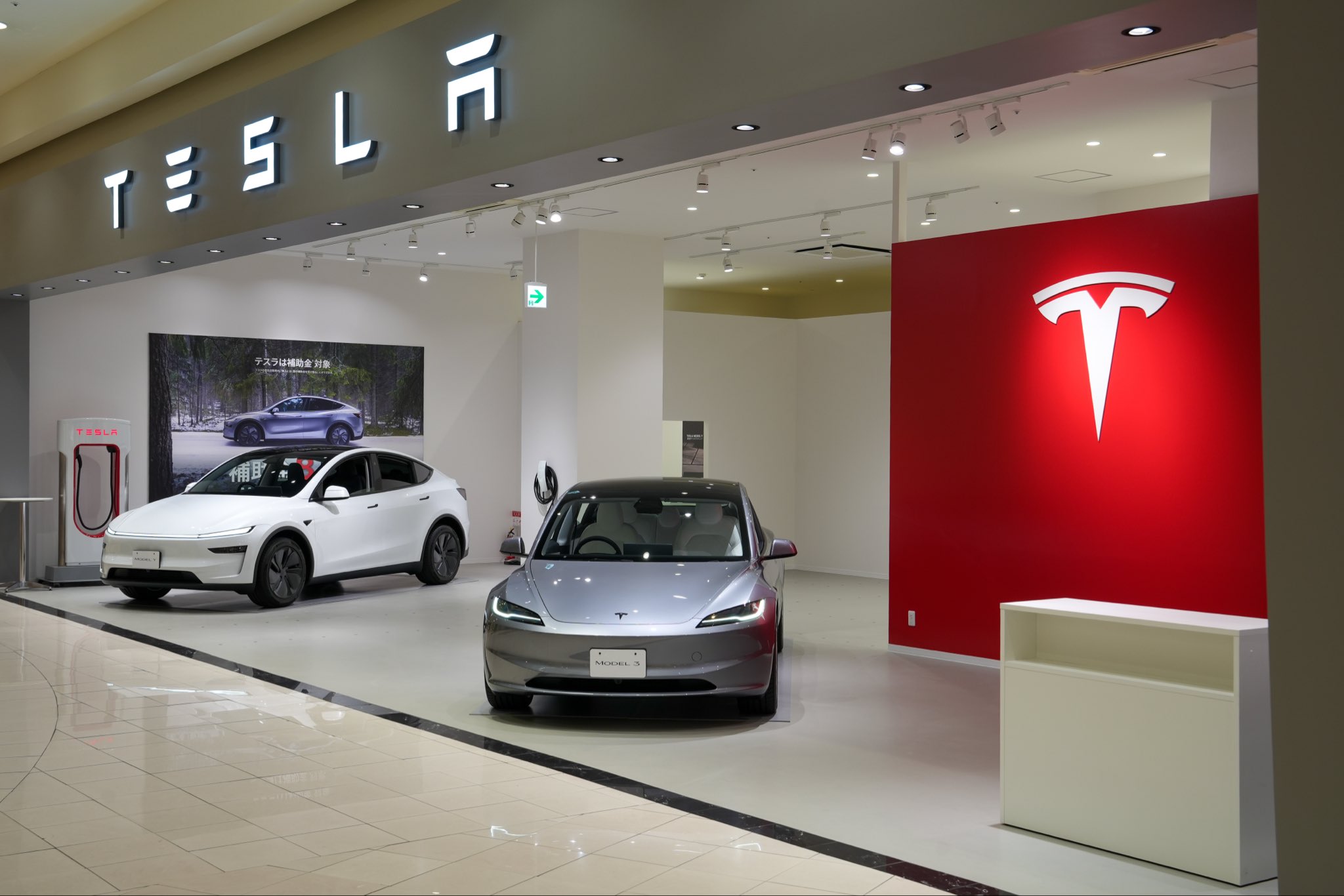
No analysis of this price compression is complete without acknowledging the elephant in the room: Tesla. The Austin-based automaker's aggressive and repeated price reductions throughout 2023 and into 2024 have acted as a gravitational force on the entire EV market. By leveraging its industry-leading margins, Tesla has forced competitors to follow suit or risk irrelevance. This strategy, while pressuring its own profitability in the short term, has successfully ignited demand and vastly expanded its addressable market. The result is a market where the average EV price is being pulled downward not by cheap, low-range models, but by adjustments across the board, including in the popular midsize SUV segment where the Model Y reigns supreme.
The context for this price war extends beyond simple competition. It reflects a pivotal moment in the EV adoption curve, moving from early adopters willing to pay a premium to attracting pragmatic mainstream buyers for whom cost is the paramount concern. Furthermore, declining prices for critical raw materials like lithium have provided some manufacturers with breathing room to adjust MSRPs. This environment creates a challenging dichotomy for automakers: sacrifice margin for volume and market share, or hold the line on price and watch sales stagnate.
Implications for Owners and the Investment Landscape
For current and prospective Tesla owners, this environment is a double-edged sword. New buyers are entering the market at increasingly attractive price points, making Tesla's technology and Supercharger network more accessible than ever. However, this rapid depreciation of new car values translates to accelerated depreciation for existing vehicles, impacting resale value. For investors, the narrative is intensely focused on volume versus margin. The key question is whether Tesla's volume-driven strategy will lead to dominant, profitable scale as the market grows, or if a prolonged price war will erode the automotive profitability that has long supported its valuation. The company's ability to leverage its full stack—from software like Full Self-Driving to energy products—for profit will be under a microscope.
The record-low price gap is not merely a statistic; it is a market signal that the electric vehicle is transitioning from a niche alternative to a mainstream competitor on pure economic terms. As the financial argument for going electric strengthens, the pressure on legacy automakers to not only match prices but also deliver compelling technology and charging experiences will reach a fever pitch. The race is no longer just about who has an EV, but who can build and sell a great one at a truly competitive price.