For new and prospective electric vehicle owners, the world of EV charging can seem like a maze of plugs, power ratings, and conflicting advice. Understanding the fundamental differences between Level 1, Level 2, and DC Fast Charging is not just technical jargon—it's the key to unlocking a seamless and cost-effective ownership experience. This knowledge dictates your daily routine, long-distance travel capabilities, and overall relationship with your vehicle.
The Home Base: Level 1 & Level 2 Charging
Level 1 charging uses a standard 120-volt household outlet, the same you'd plug a laptop into. It's universally accessible but painfully slow, delivering a mere 2 to 5 miles of range per hour. For a Tesla with a large battery, a full recharge could take multiple days. Its utility is best for plug-in hybrids or as an emergency backup. In contrast, Level 2 charging operates on 240-volt power, similar to a home dryer outlet. This is the cornerstone of practical EV ownership. A Level 2 charger, like a Tesla Wall Connector, can add 30 to 44 miles of range per hour, enabling a full overnight recharge for virtually any battery size. For Tesla owners, installing a Level 2 solution at home transforms the EV experience, ensuring you start every day with a "full tank."
The Road Trip Accelerator: DC Fast Charging
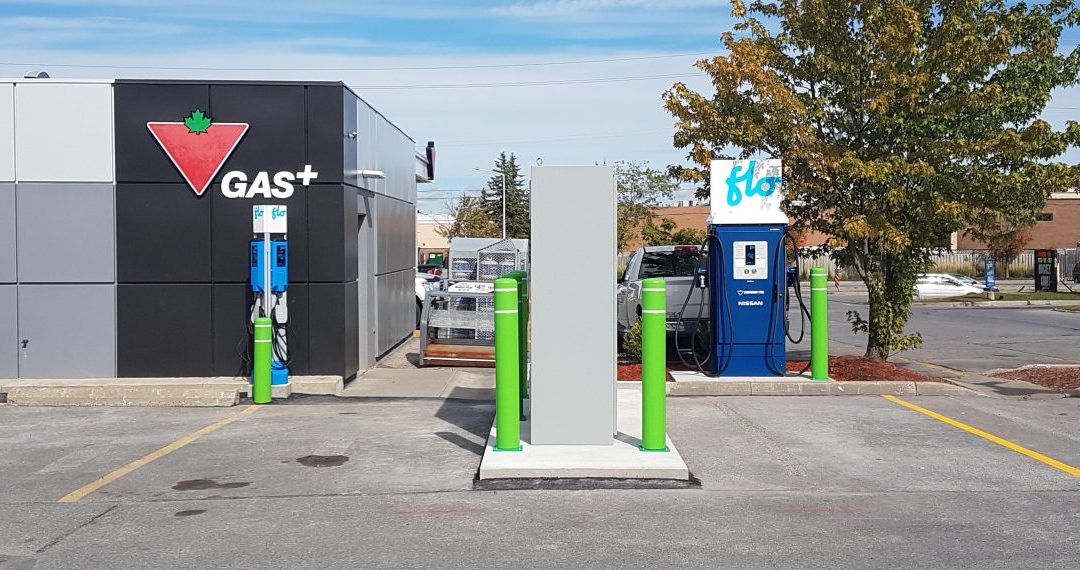
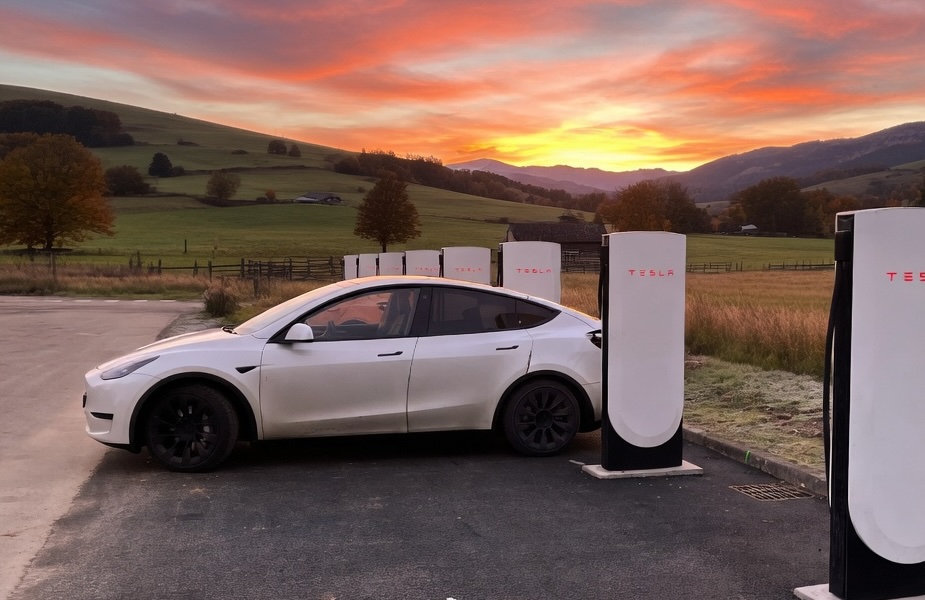
When journeying beyond your daily radius, DC Fast Charging (DCFC) is essential. Unlike Level 1 and 2 chargers which deliver alternating current (AC) for the car's onboard converter to handle, DCFC stations deliver high-power direct current (DC) straight to the battery. This bypasses the car's internal hardware, enabling dramatically faster speeds. Tesla's proprietary Supercharger network is the gold standard here, with V3 stations capable of adding up to 200 miles of range in just 15 minutes under ideal conditions. This network is strategically placed along highways and in urban hubs, making long-distance electric travel not just possible, but convenient.
Choosing the right charging level is a matter of context. Daily replenishment is most efficient and affordable with home-based Level 2 charging, leveraging low overnight electricity rates. Level 1 remains a portable, last-resort option. DC Fast Charging, while incredibly fast, is a tool for travel and should not be a primary charging method due to higher cost and the potential for accelerated battery degradation if used excessively. The beauty of the Tesla ecosystem is its seamless integration of these options, with the vehicle's navigation system intelligently routing to Superchargers when needed and reminding you to plug in at home.
For Tesla owners and investors, this hierarchy underscores a critical competitive advantage. Tesla's integrated approach—selling the vehicle, the home Wall Connector, and access to its vast, reliable Supercharger network—creates a holistic product that others are still scrambling to match. As the EV market expands with new entrants, the clarity and robustness of the charging experience will become an even more significant purchase driver. For investors, continued expansion and technological advancement in both Tesla's home charging solutions and its Supercharger network are not mere amenities; they are the essential infrastructure that supports the entire company's valuation and growth trajectory.