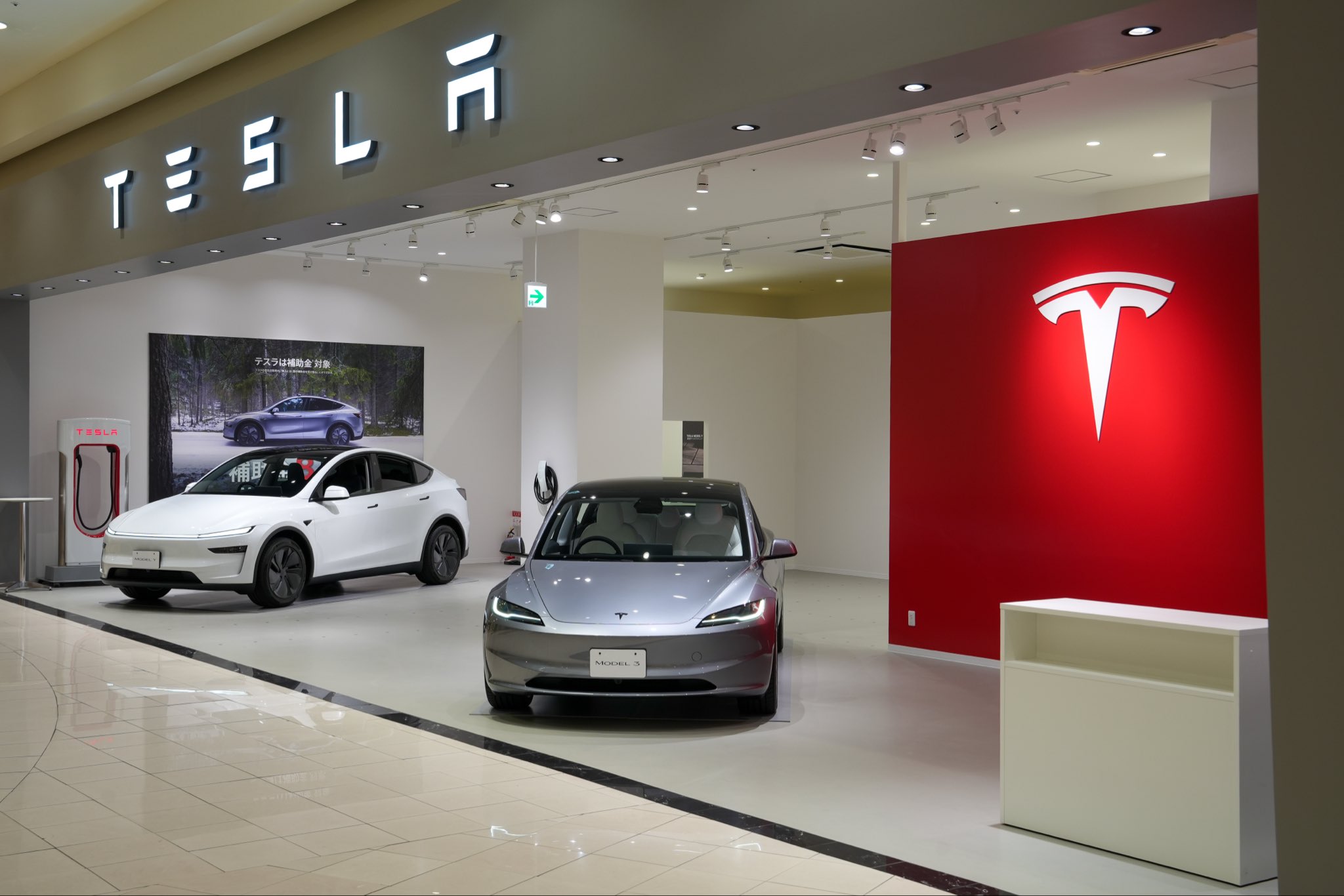
In a week of stark contrasts for the world's most prominent electric vehicle maker, Tesla's narrative has split into a tale of two futures: one of distant, ambitious promises and another of immediate, pressing market realities. While CEO Elon Musk reignites discussions about a long-dormant passenger van project, fresh data reveals a significant sales decline in a key region and a sobering regulatory update on the company's most anticipated technology.
A Decade-Long Van Dream Gets a New Spark
During a recent episode of the podcast "Quick Charge," Elon Musk once again teased the potential for a Tesla van, a vehicle concept originally envisioned nearly a decade ago. Musk framed the idea around creating an "awesome people-hauler," suggesting a focus on passenger comfort and utility rather than commercial applications. This revival of interest comes as the automotive world increasingly explores multi-purpose electric vehicles. However, with no timeline, specifications, or formal commitment, the van remains a 10-year-late concept, highlighting Tesla's ongoing challenge of balancing its visionary pipeline with the execution demands of its current lineup.
Market Pressure Mounts in Europe and California
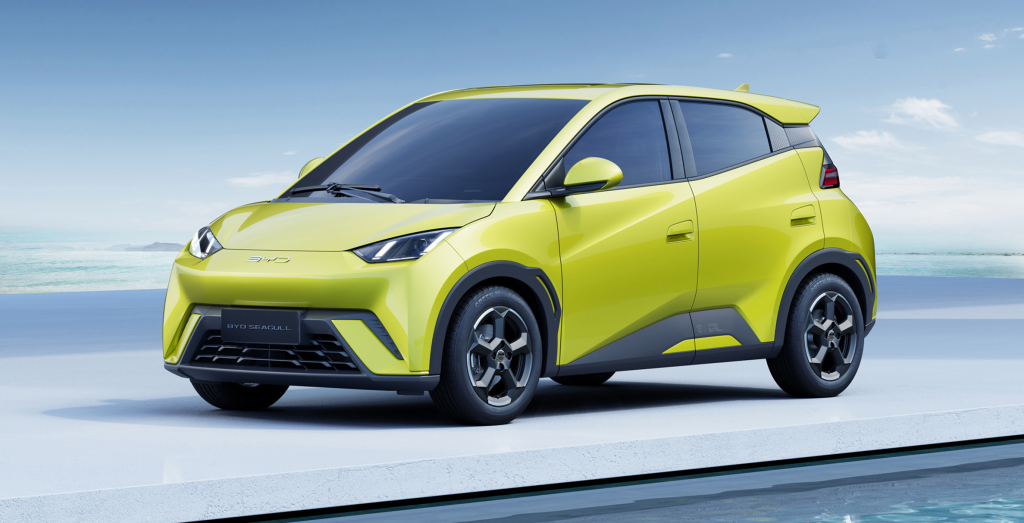
The visionary talk stands in sharp relief against two hard pieces of data. First, Tesla's sales momentum in Europe has hit a significant roadblock. The brand is now being outsold by a collective wave of Chinese EV manufacturers, who are offering competitively priced, feature-rich models that are resonating with European consumers. This shift underscores the intensifying global competition and suggests Tesla's first-mover advantage is eroding in critical markets. Second, and perhaps more symbolically significant, the California Department of Motor Vehicles confirmed there are currently zero Tesla Robotaxis permitted to operate on public roads in the state. This official statement directly tempers the aggressive timeline Musk has often promoted for full self-driving technology and serves as a regulatory reality check for investors banking on near-term autonomy revenue.
These concurrent developments create a complex picture for Tesla's trajectory. The van tease is a classic Musk maneuver to control the narrative and point toward a expansive future, a tactic often used when present challenges arise. Meanwhile, the sales data from Europe is a tangible sign that the EV revolution Tesla catalyzed is now producing formidable rivals capable of capturing market share. The California DMV's clarification on Robotaxis punctures the hype around what is supposed to be Tesla's ultimate margin-enhancing technology, refocusing attention on the substantial regulatory and technical hurdles that remain.
For Tesla owners and investors, this moment demands a clear-eyed assessment. The recurring van concept is a reminder of Tesla's innovative potential but offers no short-term value. The European sales tumble signals that Tesla must accelerate model refreshes, local production, or pricing strategies to defend its position against a savvy and relentless Chinese auto industry. Most critically, the Robotaxi update should recalibrate expectations for the Full Self-Driving suite; its value for now remains largely in driver assistance and brand differentiation, not in imminent fleet-based income. The coming quarters will reveal whether Tesla can stabilize its core business against fierce competition while managing the immense expectations surrounding its autonomous future.