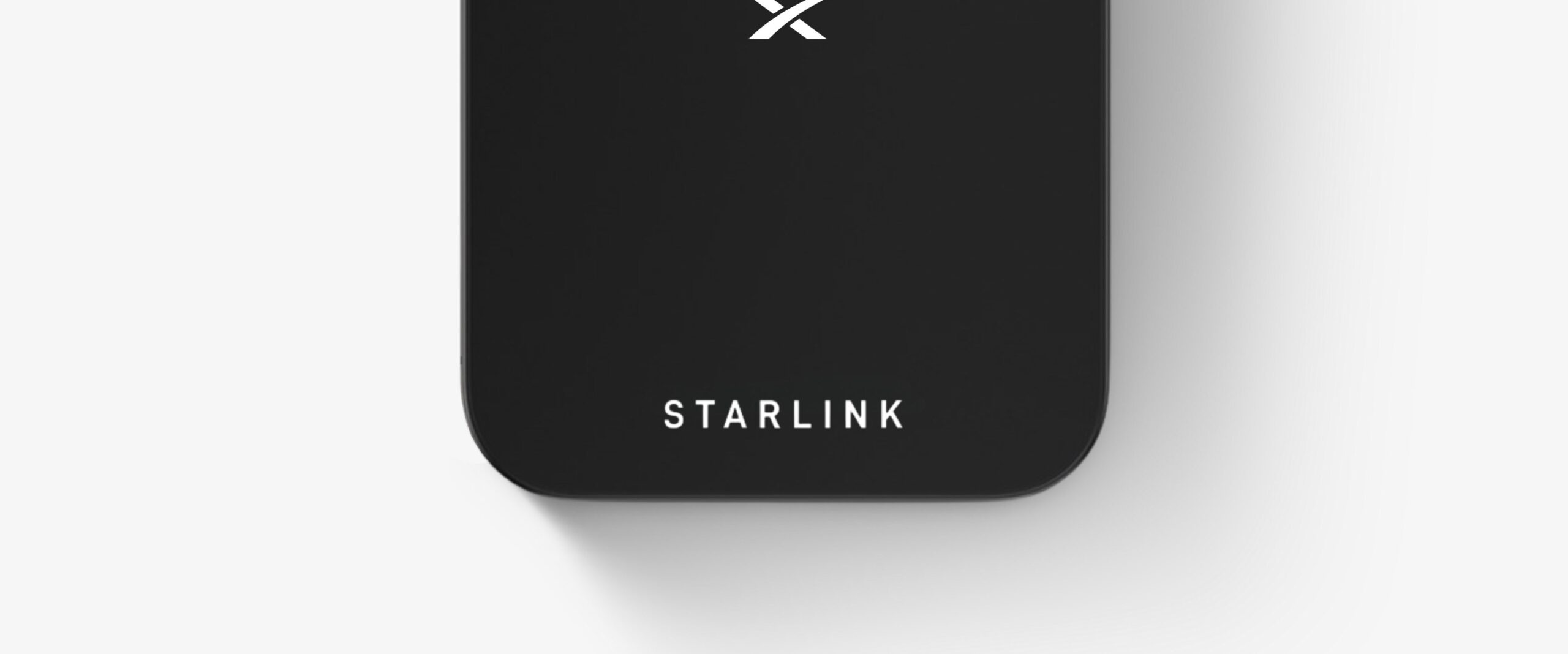
In a digital landscape perpetually abuzz with speculation about Elon Musk's next disruptive move, a firm and definitive denial has cut through the noise. The billionaire entrepreneur has personally quashed burgeoning rumors that SpaceX, his aerospace manufacturer and satellite communications company, is developing a smartphone to rival Apple and Android devices. This direct intervention came via his social media platform, X, in response to a Reuters report, putting to rest a theory that had gained significant traction online.
A Direct Denial on the X Platform
Musk's rebuttal was characteristically blunt. Responding to the Reuters article, which cited internal sources suggesting SpaceX was exploring a mobile device, he stated simply, "SpaceX is not developing a phone." This categorical dismissal directly counters the narrative that the company planned to leverage its Starlink satellite internet constellation to create a ubiquitous "Starlink Phone." The original report had hinted at early-stage discussions and potential partnerships, but Musk's authority as CEO leaves little room for ambiguity. The swift, public denial underscores his preference for controlling the narrative around his companies directly, bypassing traditional corporate communication channels.
The Genesis of the Rumor and Starlink's Real Ambition
The rumor likely stemmed from a logical, yet premature, extrapolation of SpaceX's existing technology roadmap. Starlink's core mission is to provide high-speed, low-latency internet anywhere on Earth via a growing mega-constellation of low-Earth orbit satellites. A natural extension of this capability is direct-to-cell satellite connectivity, a technology SpaceX is actively developing. Partnerships with carriers like T-Mobile aim to enable basic texting and calling from existing, unmodified smartphones in areas with no terrestrial signal. The conflation of this groundbreaking satellite-to-phone service with the development of a proprietary SpaceX handset was an understandable, but incorrect, leap in public discourse.
For Tesla, the clarification is strategically significant. The electric vehicle giant is deeply invested in its own ecosystem, with its vehicles' infotainment systems serving as a central hub. A SpaceX phone could have presented both a potential synergy and a conflict, depending on its integration. Musk's denial allows Tesla to continue focusing on its own user interface and connectivity features, like its premium connectivity package and future integration of Starlink mobility for vehicles, without internal competition. It reaffirms that while cross-company technological pollination occurs, each entity retains a distinct product focus.
Implications for Tesla Owners and Investors
For Tesla owners and shareholders, Musk's denial provides clarity and reinforces strategic boundaries. Investors can remain focused on Tesla's core automotive, energy, and AI robotics objectives without the distraction of speculating on a capital-intensive foray into the saturated smartphone market. The real story for the Tesla ecosystem remains the continued evolution of Starlink integration for enhanced in-vehicle connectivity, particularly in remote areas, which promises to add tangible value to the ownership experience. This episode also highlights the influence of rumor cycles on Musk's empire and his reactive style of communication, a factor market participants must continue to navigate. The key takeaway is that innovation will flow through established channels—making Tesla vehicles better connected via Starlink—rather than through a surprising and redundant new hardware product.

