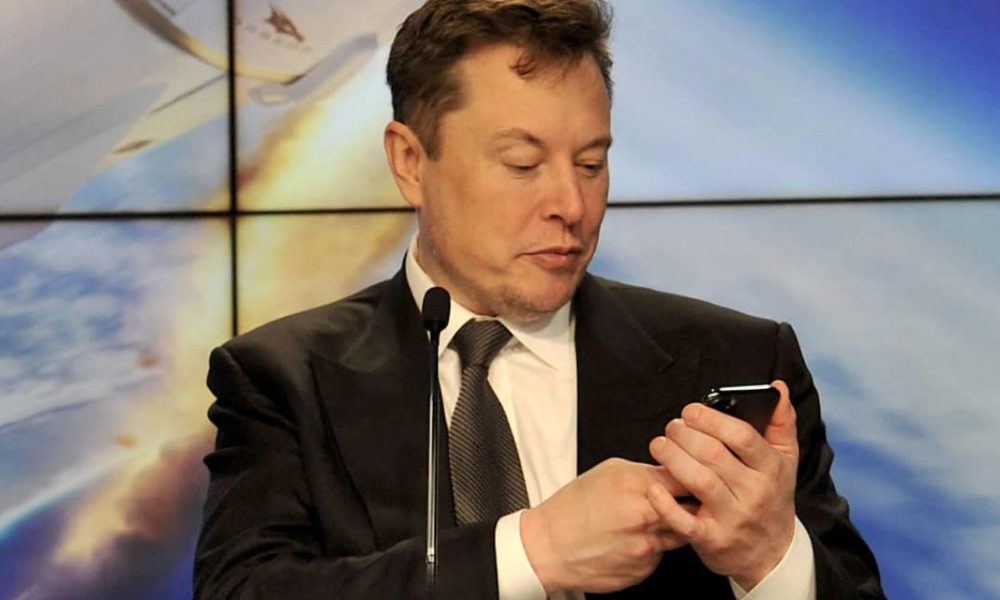
In a market perpetually hungry for the next disruptive product from Elon Musk's empire, a persistent rumor has finally been put to rest. Today, the billionaire entrepreneur directly quashed widespread speculation that SpaceX is secretly developing a smartphone to rival Apple and Android. Musk's unambiguous denial, delivered not once but twice, directly counters a detailed Reuters report from earlier today that cited internal discussions among SpaceX executives about a device connecting directly to the Starlink satellite constellation.
The Rumored "Space Phone" and Its Allure
The concept of a SpaceX or Starlink phone captured the public imagination for compelling reasons. The reported idea centered on a mobile device that could bypass traditional cellular networks, leveraging the growing Starlink mega-constellation for global connectivity. This promised a solution for dead zones everywhere, from remote hiking trails to disaster-struck regions, aligning perfectly with Musk's stated goal of providing internet to the most underserved areas. The speculation was further fueled by Musk's existing rivalry with tech giants and his history of vertically integrating products, making a direct-to-consumer EV and telecom hardware play seem plausible.
Musk's Direct Denial and Strategic Reality
Despite the tantalizing potential, Musk's confirmation leaves no room for interpretation. His clear dismissal suggests that while the idea may have been debated in boardrooms, it has not progressed to an active development phase. The reasons are likely multifaceted and strategic. Developing a consumer-grade smartphone is a ferociously competitive and capital-intensive endeavor, with slim margins outside of the established market leaders. For SpaceX, the priority remains the relentless deployment and enhancement of the Starlink satellite network itself, a monumental task that demands full focus and resources. Diverting engineering talent to consumer electronics could dilute these core, revenue-critical ambitions.
This does not, however, mean satellite-to-device connectivity is off the table. Companies like Apple and Globalstar already offer emergency satellite services in newer iPhones, and AST SpaceMobile is working to provide full broadband connectivity. SpaceX's own partnership with T-Mobile, aimed at providing "Coverage Above and Beyond" via Starlink, demonstrates a clear path to market: partnering with existing carriers rather than competing with them directly in hardware. This cooperative model leverages Starlink's unique assets without the immense burden of manufacturing, marketing, and supporting a physical phone.
Implications for Tesla's Ecosystem and Investors
For Tesla owners and shareholders, Musk's clarification is ultimately reassuring. It underscores a disciplined allocation of resources and executive attention across his companies. Tesla investors, in particular, can interpret this as a sign that Musk's focus remains on the critical challenges facing the electric vehicle maker: scaling production, advancing autonomous driving, and launching the next-generation platform. The potential for Starlink integration into Tesla vehicles for enhanced connectivity remains a viable and exciting prospect, but a SpaceX smartphone would have been a distracting moonshot. The takeaway is a clearer picture of corporate priorities, where SpaceX masters the orbital layer and enables connectivity for others, allowing Tesla to dominate the road with cutting-edge EV technology.

