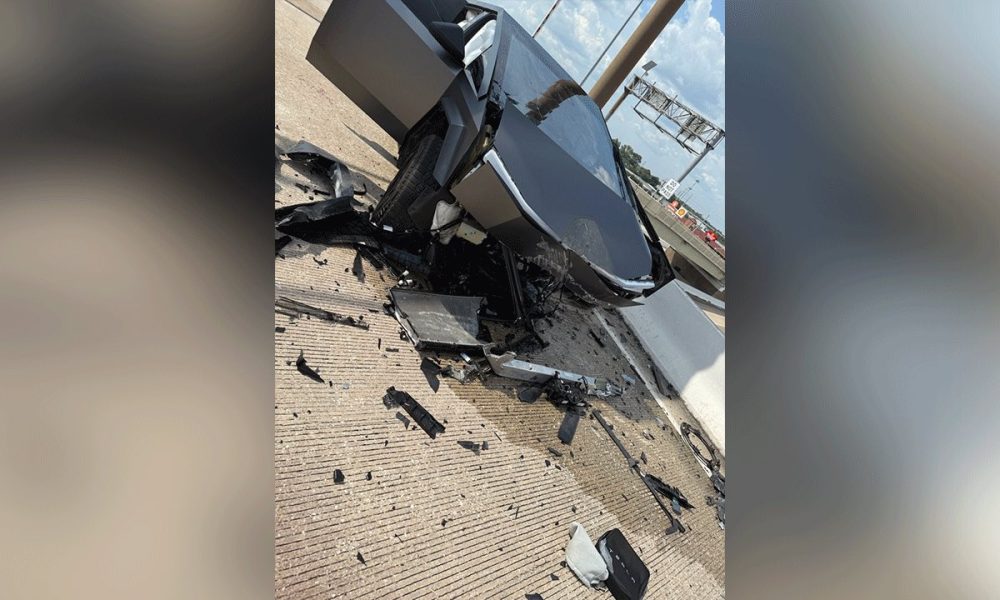
The viral video of a Tesla Cybertruck crashing into a towed vehicle has ignited another fierce online debate about Autopilot safety. In a swift and definitive response, CEO Elon Musk has intervened with data, stating that vehicle logs tell a different story than the dramatic footage suggests. This incident has rapidly evolved from a social media spectacle into a critical case study on the role of driver monitoring and the interpretation of real-world data in the age of connected electric vehicles.
Musk Cites Logs, Shifts Focus to Driver Action
Addressing the controversy directly on his social media platform X, Musk stated that Tesla's driver logs indicate the individual behind the wheel "disengaged Autopilot four seconds before crashing." This precise timeline, pulled directly from the vehicle's computer, is a powerful counter-narrative. By releasing this detail, Musk aims to immediately shift the focus from a potential Autopilot system failure to the actions—or inactions—of the human driver in those critical final moments. The implication is clear: the driver had ample time to regain full control and avoid the collision.
Context and the Persistent "Last-Second" Disengagement Debate
This incident touches on a familiar and complex pattern in Tesla-related accidents. Skeptics often question whether a last-second disengagement is a genuine driver intervention or a characteristic of the system's operational design. Tesla's official stance, reiterated in its warnings, is that drivers must keep their hands on the wheel and be prepared to take over at any time. The company's data-centric approach to accident analysis is central to its defense, but it frequently clashes with the visceral impact of crash videos that spread online without this contextual data. This creates a recurring cycle of public suspicion followed by corporate data disclosure.
For Tesla owners and investors, this episode reinforces several key realities. First, it highlights that every interaction with driver-assistance systems is being recorded, creating an unambiguous digital record for post-incident analysis. Second, it underscores the non-negotiable requirement for constant driver vigilance, a point Tesla emphasizes but is often diluted by the "Autopilot" branding. The financial and reputational stakes are high; each viral incident can temporarily impact public perception and, by extension, stock sentiment, even when internal data supports the company's position.
The broader implication is a continued education gap. As electric vehicles with advanced software become more common, the industry and regulators must better communicate the "shared control" paradigm to the public. For now, Tesla remains committed to using its vehicle logs as the ultimate arbiter in these disputes, betting that hard data will eventually outweigh speculative narratives in the court of public opinion.