As Tesla navigates a pivotal moment marked by intensifying market pressures and executive scrutiny, the convergence of leadership controversies and competitive dynamics is creating a perfect storm. The automaker is grappling with a rapid sales decline in Europe while its CEO, Elon Musk, faces renewed public relations challenges following his mention in recently unsealed court documents related to Jeffrey Epstein. This dual-front pressure emerges just as a formidable new electric vehicle rival, the Xiaomi SU7, makes headlines of its own, further complicating the global EV landscape.
Leadership Scrutiny Amid Market Headwinds
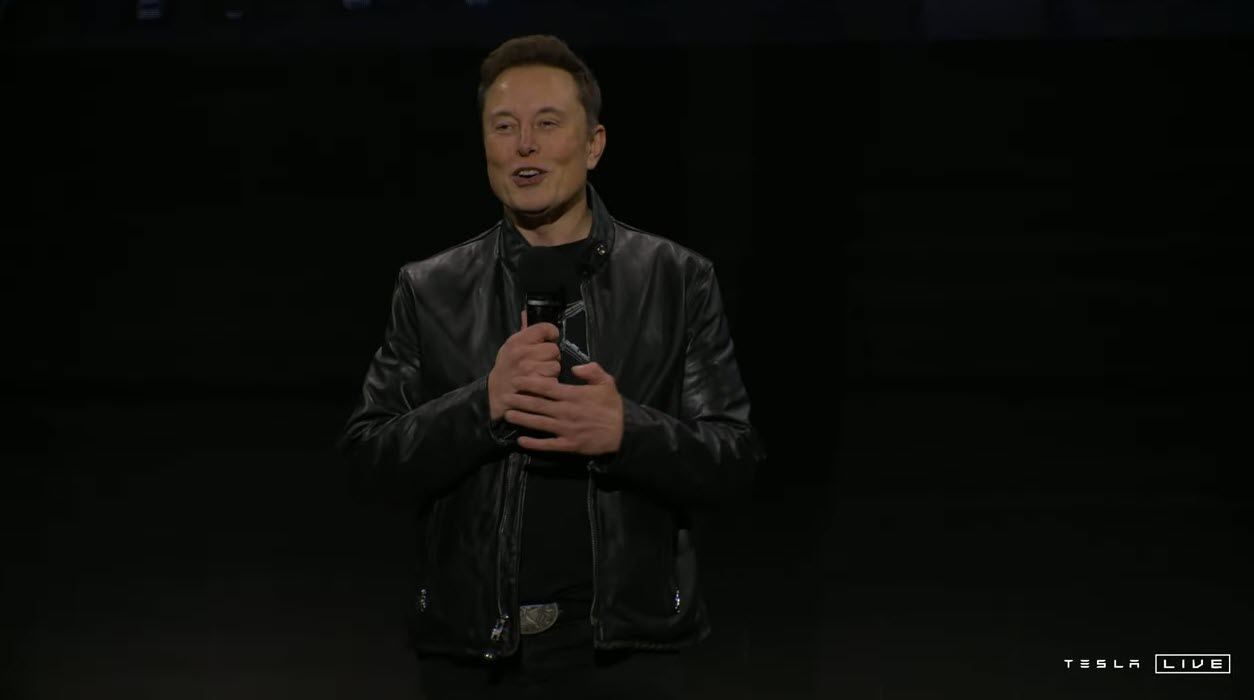
Elon Musk's tangential appearance in the Epstein-related files, while not alleging illegal conduct, introduces an unwelcome element of reputational risk at a sensitive time for Tesla. The company's brand is intrinsically linked to Musk's persona, and any association, however vague, with such a notorious figure can impact consumer and investor perception. This scrutiny arrives as Tesla reports softening delivery numbers, suggesting that external challenges are mounting. The timing is inopportune, as maintaining unwavering confidence from both the market and its loyal customer base is crucial for navigating the current competitive squeeze.
European Sales Slump and the Xiaomi Wild Card
Data indicates Tesla's registrations across key European markets have seen a significant downturn, a trend attributed to heightened competition from legacy automakers and a slowdown in overall EV demand. Into this fray enters the Xiaomi SU7 Ultra, a hyper-sedan boasting blistering performance specs that directly challenge Tesla's Model S Plaid. Interestingly, reports suggest the SU7 has also experienced a rapid sales decline after an initial surge, highlighting the ferocious and fickle nature of the premium EV segment. Contrary to some speculation, Ford is NOT working with Xiaomi, leaving the Chinese tech giant to forge its path alone as a new direct competitor to Tesla.
Strategic Implications for Tesla's Road Ahead
The current climate demands a clear and focused strategic response from Tesla. The European slowdown underscores the necessity of refreshing its core Model Y and Model 3 lineup and accelerating the launch of more affordable models to stimulate demand. Meanwhile, the emergence of competitors like Xiaomi, capable of matching or exceeding Tesla's vaunted performance metrics, signals that the automaker's technology lead is no longer unassailable. Tesla must double down on software innovation, its Supercharger network advantage, and manufacturing efficiency to maintain its edge.
For Tesla owners and investors, the coming quarters will be a critical test of resilience. Investors should watch for management's commentary on demand generation strategies and cost controls, as well as the timeline for new model introductions. Owners can expect the competitive pressure to potentially translate into more aggressive pricing and enhanced software updates as Tesla fights to retain market leadership. The era of unchallenged dominance is over, but Tesla's next chapter—defined by execution in a crowded field—is just beginning.