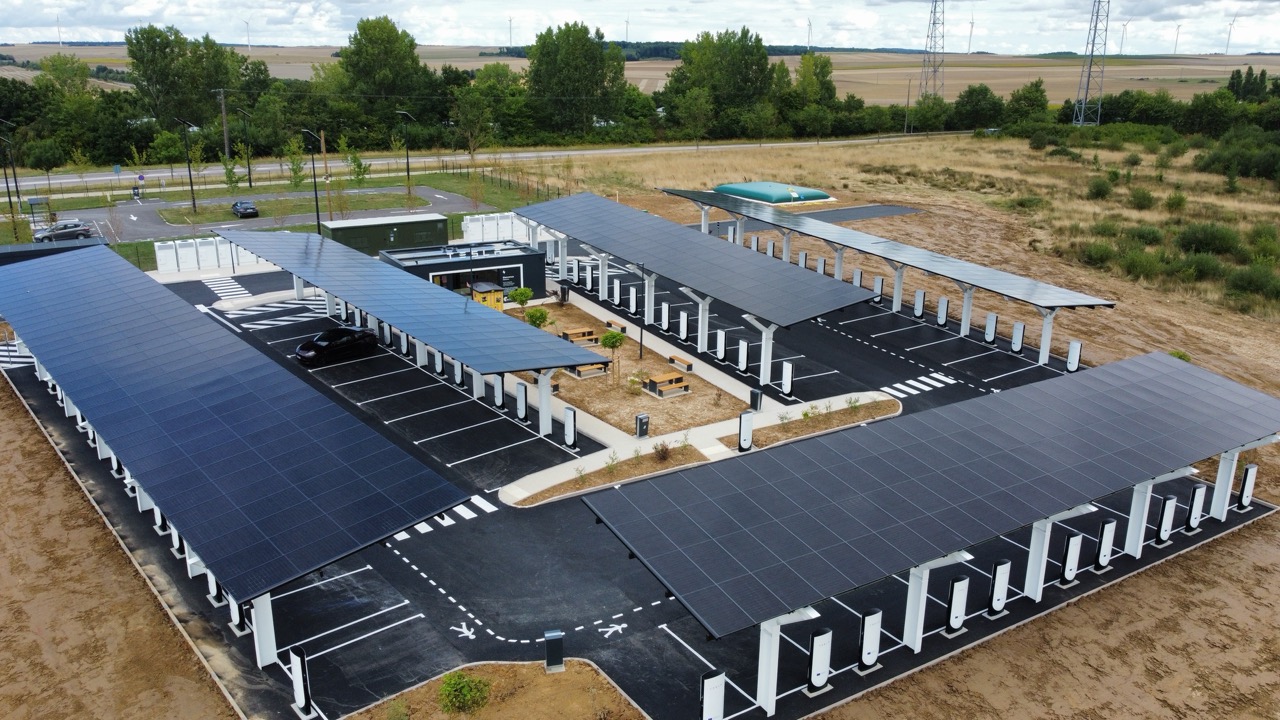
The perennial debate between electric and internal combustion engine ownership has reached a new inflection point across Europe, not with a technological breakthrough, but at the fuel pump. As the price of diesel surges past the symbolic threshold of two euros per liter in several nations, a quiet but significant shift in perception is underway. For families like that of one long-term Tesla owner, the soaring cost of fossil fuels has transformed from a point of smug derision into a genuine, cost-driven inquiry into the electric vehicle lifestyle.
The Tipping Point at the Pump
For two years, the Tesla-driving narrator endured polite skepticism from a relative—dubbed "Gérard"—who viewed the Model Y as a risky and inconvenient novelty. The familiar litany of concerns about range anxiety and charging infrastructure was a constant backdrop. However, the relentless climb in diesel prices has fundamentally altered the conversation. What was once a theoretical discussion about sustainability and technology has become a pressing, pragmatic calculation of household expenditure. The moment diesel crossed the two-euro mark, Gérard's commiseration turned to curiosity, asking for a serious breakdown of real-world EV charging costs versus his own skyrocketing fuel bills.
Crunching the Real Numbers of EV Ownership
This shift highlights a critical advantage for Tesla owners: energy cost stability. While fossil fuel prices are subject to volatile global markets and geopolitical tensions, the cost of electricity, especially from home charging, is significantly more predictable and often cheaper. A full charge for a Tesla Model Y, providing hundreds of kilometers of range, typically costs a fraction of a comparable tank of diesel. Even using Tesla's expansive Supercharger network, which is priced higher than home charging, the total expense per kilometer remains favorably competitive against internal combustion vehicles, particularly at current fuel prices. This economic reality is now impossible for budget-conscious families to ignore.
Implications for Tesla and the Broader EV Market
The scenario playing out in countless European driveways represents a powerful demand signal for Tesla and the entire electric vehicle industry. As operational cost becomes the dominant factor for more consumers, Tesla's established advantages—its efficient powertrains, extensive fast-charging infrastructure, and integrated energy ecosystem—transition from premium features into essential economic shields. For investors, this underscores the resilience of Tesla's value proposition beyond mere vehicle sales; the company is positioned as a hedge against energy insecurity. Every euro added to the diesel price accelerates the consumer math in favor of electrification.
For current and prospective Tesla owners, this trend validates the long-term economic logic of their investment. The initial price premium of an electric vehicle is being rapidly offset by the soaring cost of fossil fuels, shortening the payback period. More importantly, it signals a societal turning point where electric mobility is no longer a niche choice but an increasingly obvious solution for financial and energy independence. The question from relatives is no longer "why would you?" but "how do we?"—and that is a profound change driven not by ideology, but by the stark reality of a two-euro diesel receipt.


