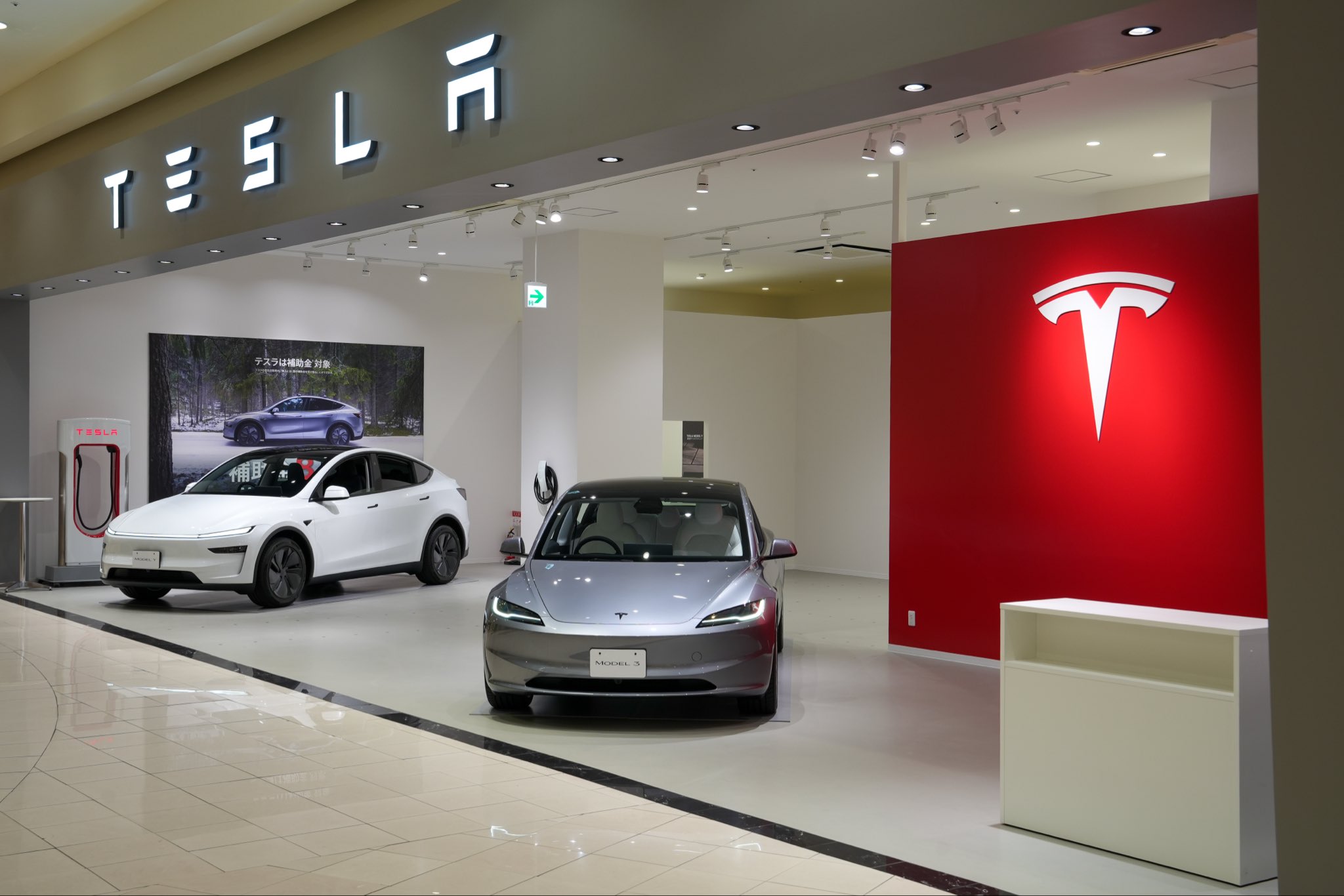
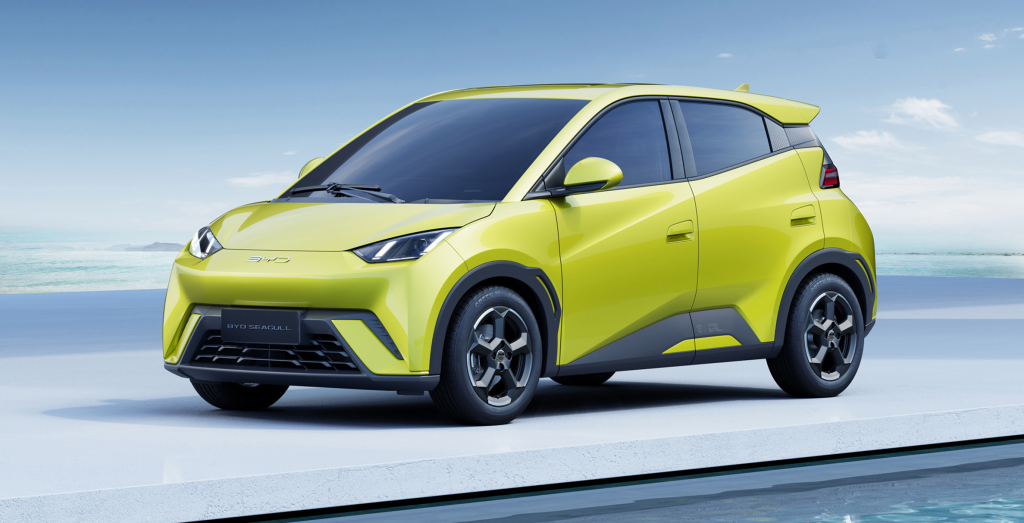
China's automotive regulatory body has just fired a direct shot across the bow of the industry's design orthodoxy. In a landmark move, the country's Ministry of Industry and Information Technology has finalized a proposed ban on the sleek, flush-mounted door handles that have become a signature of modern electric vehicles. The regulation, set to take effect on January 1, 2027, mandates that all new passenger vehicles sold in the world's largest car market must feature handles that are "easy to operate" and can be opened "within 3 seconds" in an emergency, effectively outlawing the electronically-actuated, pop-out style pioneered by Tesla.
The Safety Rationale Behind the Design Crackdown
The Chinese government's primary justification is unambiguous: emergency egress. Regulators cite concerns from first responders and safety advocates that complex, electronically-dependent handles can fail during crashes, particularly if a vehicle's 12-volt battery is compromised or its electrical system is damaged. The new rule emphasizes mechanical redundancy and intuitive operation, requiring handles to be readily identifiable and operable without prior knowledge of the system. This shift represents a significant pivot from the pursuit of aerodynamic minimalism—where Tesla's Model S set the standard—back towards functional priority, challenging a core tenet of contemporary EV design language that many automakers have rushed to emulate.
An Industry-Wide Redesign Challenge Looms
The impact of this mandate will reverberate far beyond Tesla's Shanghai Gigafactory. While Tesla's entire current lineup utilizes some form of powered, flush handle, it is far from alone. Chinese EV giants like Nio, Xpeng, and Li Auto, along with legacy automakers' electric offerings, have widely adopted similar designs in a bid to match the sleek, futuristic aesthetic associated with market leaders. The 2027 deadline provides a multi-year runway, but it forces global and domestic brands into a complex and costly redesign process for the Chinese market. The challenge will be to innovate new handle mechanisms that satisfy the stringent new mechanical requirements without completely sacrificing the clean, low-drag profiles that consumers now expect from premium electric vehicles.
This regulation also underscores China's growing confidence in dictating global automotive standards from a position of market dominance. As the epicenter of electric vehicle production and consumption, decisions made in Beijing increasingly shape global product development cycles. Automakers may be forced to develop dual-design strategies or, more likely, adopt China-compliant handles worldwide for simplicity. The move could spark a broader global conversation about the hidden safety trade-offs of increasingly digital and complex vehicle entry systems, potentially influencing regulators in Europe and North America to revisit their own safety protocols.
For Tesla owners and investors, this development is a nuanced one. In the short term, it presents a logistical and engineering hurdle for Tesla's crucial operations in China, requiring a thoughtful redesign that maintains brand identity. However, Tesla has consistently demonstrated agility in manufacturing and design iterations. The company could potentially turn this mandate into an advantage by pioneering a new, compliant handle design that becomes a benchmark for safety and style. For investors, it highlights the ongoing regulatory risks inherent in the EV sector, especially in key markets. Yet, it also reinforces that Tesla's true competition is now as much with regulatory bodies as with other automakers, and its ability to navigate these challenges will be a critical test of its operational resilience and innovative prowess in the latter half of the decade.