In a move that strikes at the heart of modern electric vehicle aesthetics, Chinese regulators have issued a sweeping new safety mandate that effectively bans the use of "hidden" or flush-mounted car door handles. This landmark decision, the first of its kind globally, directly targets a signature design feature synonymous with Tesla and a generation of sleek EVs, forcing automakers to rethink their blueprints for the world's largest car market.
The Safety Rationale Behind the Aesthetic Ban
Chinese authorities cite clear safety concerns as the driving force behind the regulation. The primary issue lies in the potential for flush door handles to fail during emergencies, such as vehicle submersion or a severe collision where electronic systems short-circuit. First responders and passengers alike could be trapped if the handles do not mechanically deploy. This stance reflects a growing regulatory focus on passive safety in the EV era, prioritizing function over futuristic form. The rule mandates that all new vehicle models must feature handles that are immediately and mechanically accessible without reliance on electronics, marking a significant pivot from the industry's recent design trajectory.
Immediate Impact on Tesla and EV Competitors
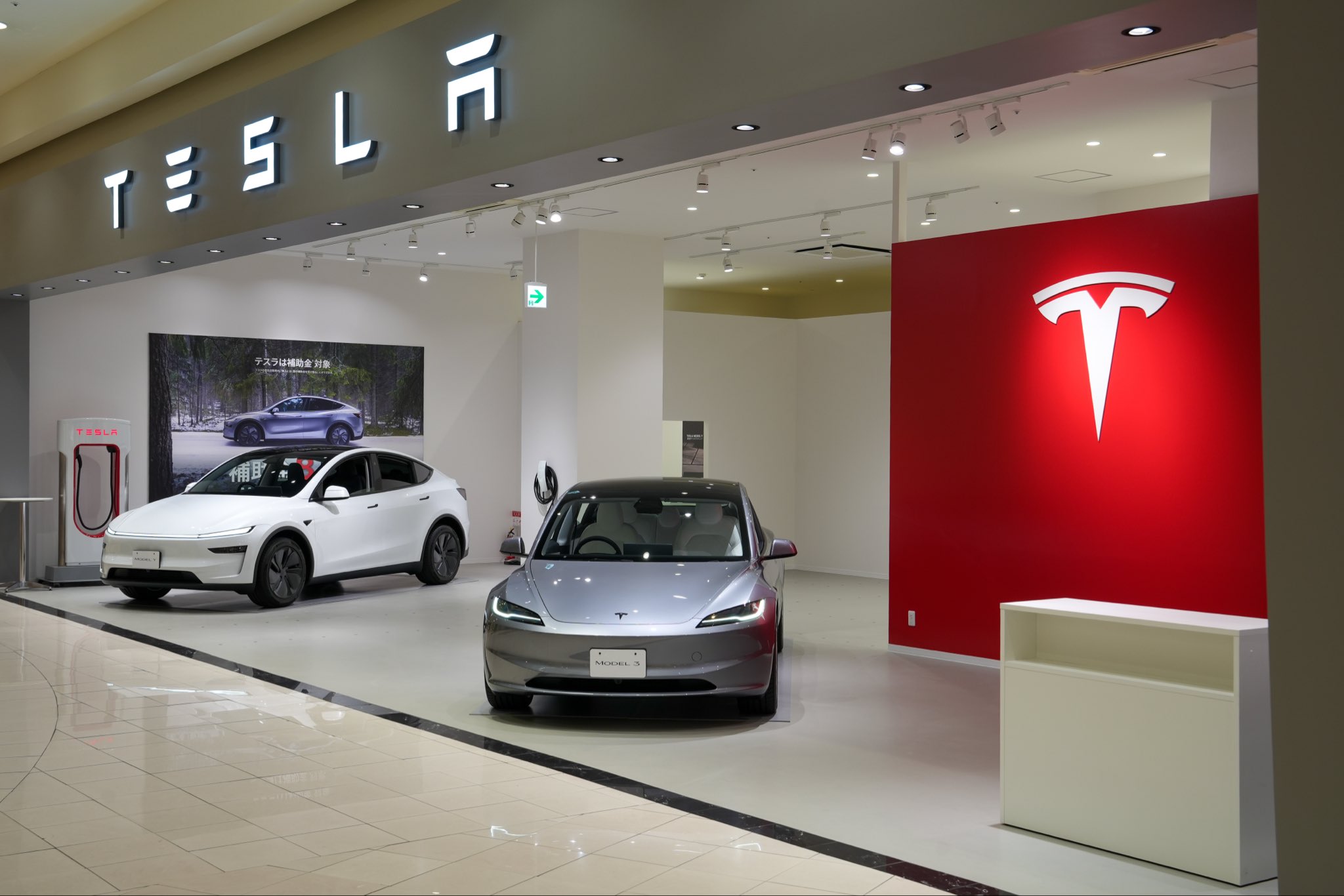
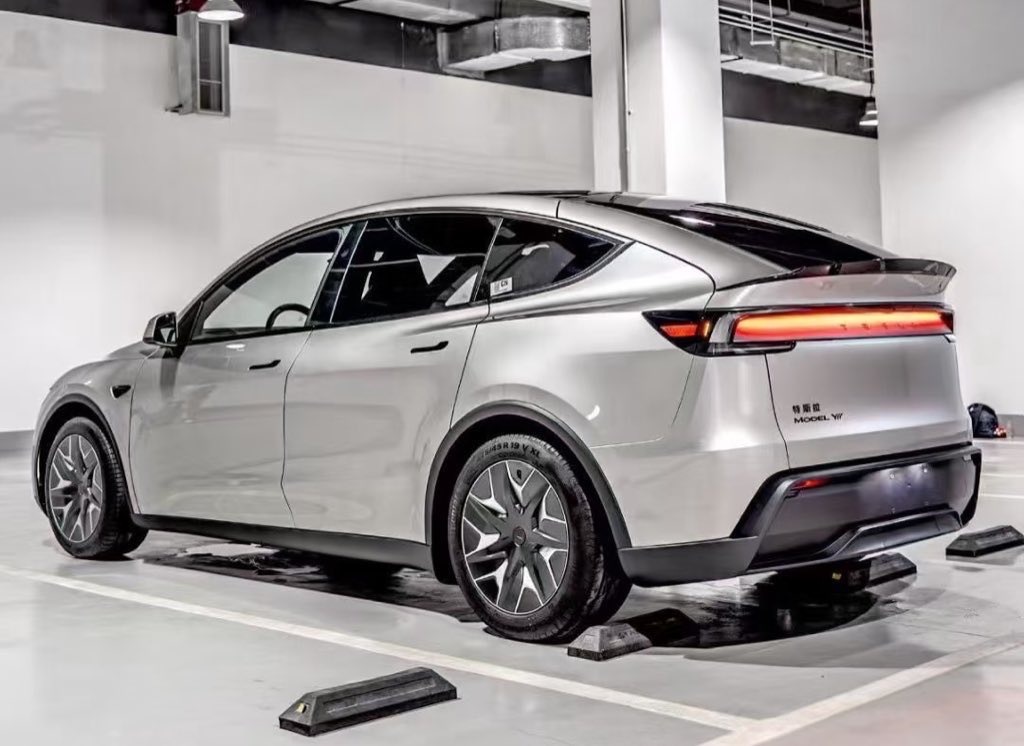
The ruling delivers a direct blow to Tesla, whose models—from the Model S to the Model Y—have popularized the auto-presenting door handle as a hallmark of minimalist, low-drag design. It also impacts a slew of Chinese EV makers like Nio, Xpeng, and Li Auto, which have enthusiastically adopted similar styling cues. For Tesla, this necessitates a rapid redesign for vehicles sold in China, likely resulting in a unique handle configuration for that market unless the company alters its global design language. The logistical and engineering challenges, coupled with potential cost implications, are immediate concerns. This move underscores Beijing's powerful influence in setting de facto global automotive standards, especially in the electric segment it dominates.
Beyond Tesla, the ban signals a broader regulatory pushback against design choices that may compromise fundamental safety for the sake of innovation. It forces the entire industry to re-evaluate the balance between aerodynamic efficiency, aesthetic appeal, and fail-safe mechanical operation. While some manufacturers may explore clever hybrid solutions—such as handles with a primary mechanical backup—the era of the purely electronic, flush handle appears to be over in China. This could accelerate development in new handle mechanisms that satisfy both regulators and a market accustomed to high-tech design.
For Tesla owners and investors, the implications are multifaceted. Current Tesla vehicles in China are not affected retroactively, but future deliveries will feature compliant hardware, potentially creating a visual distinction between markets. The need for a swift redesign could incur significant R&D and retooling costs, impacting margins in a critical region. However, Tesla's proven agility in software and hardware iterations may allow it to adapt faster than legacy automakers. Long-term, this episode highlights the increasing regulatory risks as governments worldwide scrutinize EV-specific designs, from door handles to silent operation. Investors must now factor in regional design mandates as a new variable in the global EV growth equation, where a feature celebrated in one market can become a liability in another.