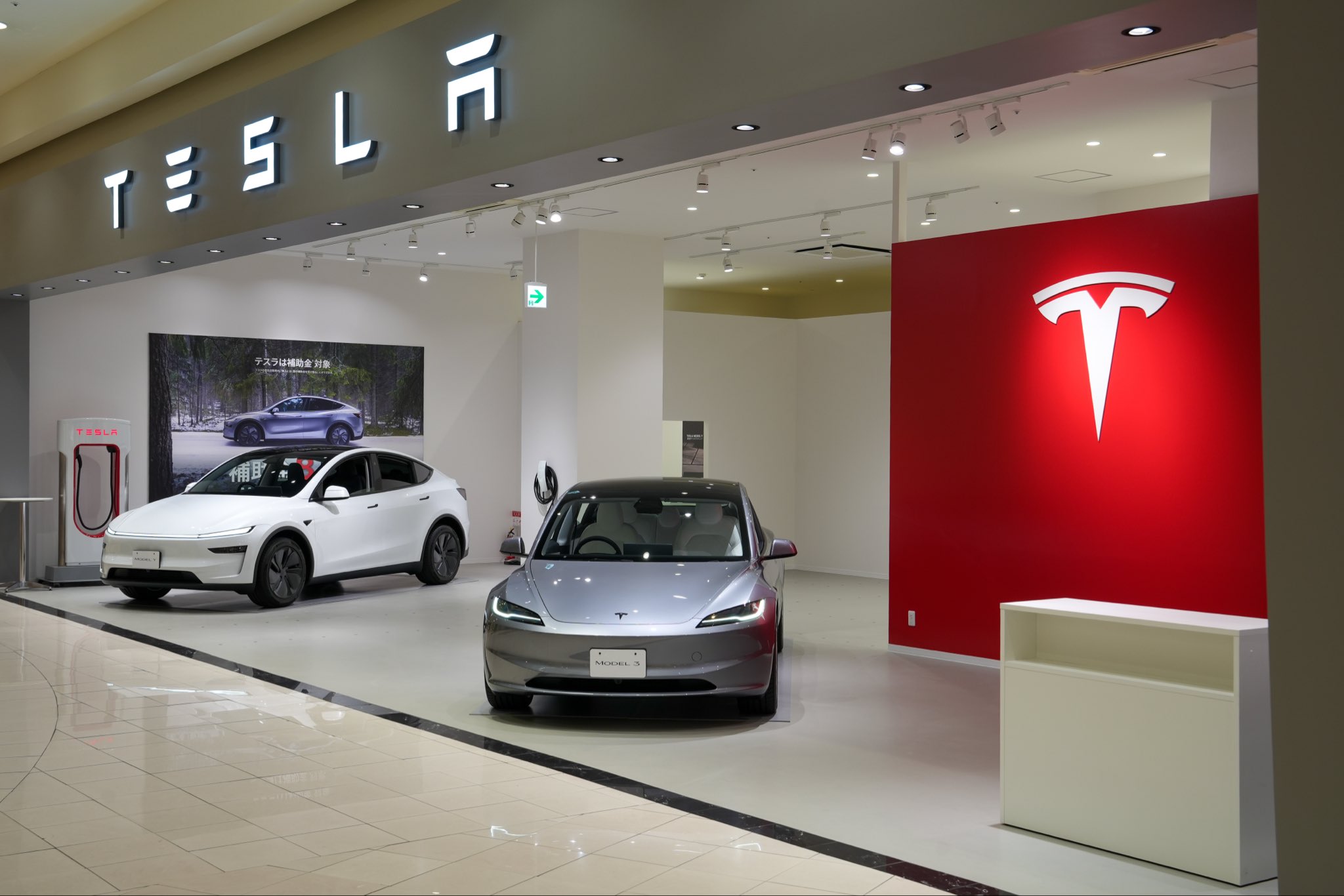
The race to build a viable North American electric vehicle ecosystem is accelerating, with Canada making a significant new move to bolster its charging infrastructure. The Government of Canada has announced a $10.6 million investment aimed at deploying 1,600 new EV chargers across the country. This strategic funding, administered through Natural Resources Canada, directly targets one of the most persistent barriers to widespread EV adoption: range anxiety and charger accessibility. For Tesla and its growing fleet of owners in Canada, this expansion represents more than just new plugs; it's a critical step in maturing the national grid that will support the next wave of electric mobility.
Strategic Funding for a Coast-to-Coast Network
This latest investment is part of Canada's comprehensive Zero-Emission Vehicle Infrastructure Program (ZEVIP). The funds will flow to 22 separate projects, focusing on installing chargers in public places, multi-unit residential buildings, workplaces, and for vehicle fleets. By targeting these specific areas, the initiative aims to fill crucial gaps where charging access is often limited. The planned 1,600 chargers will include a mix of Level 2 and DC fast-charging stations, creating a more dense and reliable web of options for drivers. This move aligns with Canada's ambitious target of achieving 100% zero-emission vehicle sales by 2035, a goal that necessitates a parallel and aggressive build-out of supporting infrastructure.
Implications for the Tesla Ecosystem
For Tesla owners, this federal investment carries nuanced implications. While Tesla's proprietary Supercharger network remains the gold standard for reliability and speed for its drivers, a robust public charging network is essential for overall market confidence and for servicing non-Tesla EVs. The expansion indirectly benefits Tesla by making EV ownership more practical for everyone, which in turn strengthens the used EV market and broadens political and public support for electrification. Furthermore, with Tesla's North American Charging Standard (NACS) becoming the de facto standard, future public chargers installed under such programs are increasingly likely to include NACS connectors, directly enhancing convenience for Tesla drivers utilizing third-party networks.
The announcement also arrives as Tesla continues its own relentless expansion. The company recently opened its 100th Canadian Supercharger location and is methodically filling in key routes. The federal funding complements these efforts by addressing the "last mile" and destination charging in urban centers and residential complexes—areas where even Tesla's vast resources benefit from supplementary support. This public-private progression creates a more resilient overall charging landscape, reducing dependency on any single network and ensuring that the foundational infrastructure keeps pace with soaring EV sales.
A Calculated Move in a Competitive Landscape
Canada's push is not happening in a vacuum. It is a strategic component of a broader North American auto strategy aimed at securing economic position in the EV revolution. By investing in infrastructure, Canada is not only supporting consumers but also making the country a more attractive destination for EV and battery manufacturing investment. This context is vital for understanding the full scope of the policy. A reliable charging grid is as much an economic development tool as it is an environmental one, designed to attract and retain the industries of the future, including potential expansions from companies like Tesla and its suppliers.
For Tesla investors and owners, Canada's $10.6 million infrastructure commitment is a positive signal of sustained governmental commitment to electrification. It reduces a systemic risk to EV adoption rates and supports the long-term value proposition of electric vehicle ownership. As the network grows, it will further normalize EVs for the mainstream buyer, expanding Tesla's total addressable market. While the direct impact on Tesla's bottom line may be minimal, the indirect effect—a society more prepared for an electric future—is profoundly beneficial for the industry's pioneer and its mission to accelerate the world's transition to sustainable energy.