Australia's energy transition has just received a monumental jolt of power. The $363 million Tesla Megapack battery system at the Tarong Power Station in Queensland is now fully operational, marking a critical step in stabilizing the grid and accelerating the state's shift away from fossil fuels. This project, one of the largest of its kind in the country, underscores the pivotal role utility-scale battery storage is playing in modernizing national infrastructure and securing reliable electricity for the future.
A Colossal Undertaking with Immediate Impact
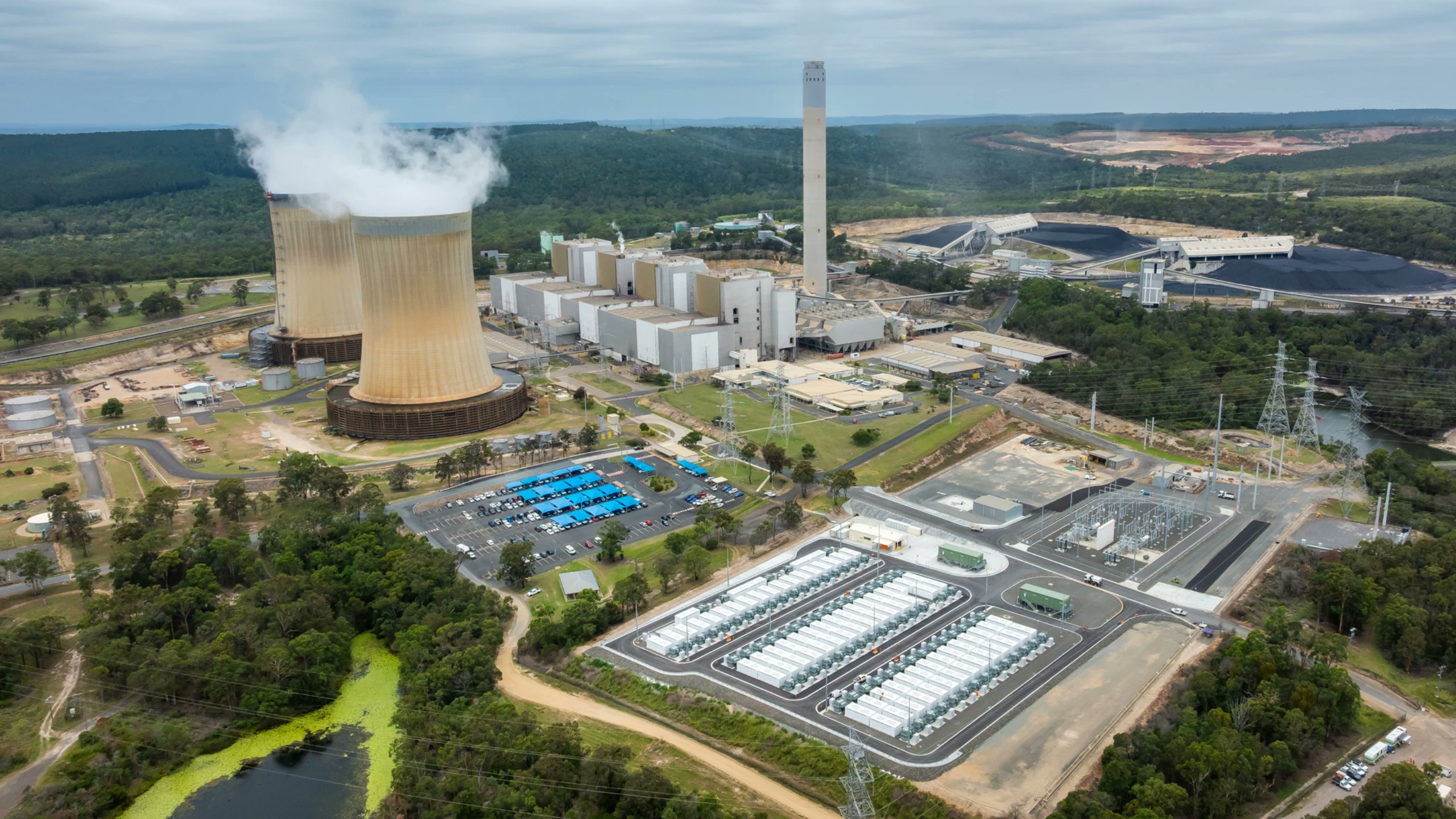
Developed by the state-owned energy corporation Stanwell, the Tarong battery energy storage system (BESS) is a feat of engineering and scale. The facility boasts a capacity of 300 megawatts (MW)/650 megawatt-hours (MWh), meaning it can dispatch 300 MW of power instantaneously for over two hours. Comprising 240 Tesla Megapack units, the system is designed to provide crucial grid services, including frequency control and emergency backup, while storing excess renewable energy from Queensland's abundant solar resources. Its strategic location at an existing coal-fired power station site is symbolic, representing a direct integration of new storage technology with legacy energy infrastructure to enhance overall grid resilience.
Beyond Backup: The Strategic Grid Role
The Tarong project is far more than a simple backup power source. Its primary function is to act as a giant shock absorber for the electricity grid. By responding in milliseconds to fluctuations in supply and demand, it helps maintain the 50-hertz frequency essential for grid stability—a service traditionally provided by spinning turbines in coal or gas plants. Furthermore, it can store cheap, surplus solar energy generated during the midday sun and discharge it during the evening peak, effectively "firming" renewable output. This capability is vital for managing the intermittent nature of wind and solar, allowing Queensland to leverage its renewable investments more effectively and reduce its reliance on peaking gas plants.
For Tesla, the successful commissioning of the Tarong site is another powerful validation of its Megapack strategy in the competitive utility and commercial storage sector. Each project of this scale serves as a reference site, demonstrating the reliability and scalability of Tesla's integrated hardware and software solution. It strengthens the company's position as a leading provider not just of electric vehicles, but of comprehensive energy ecosystem products, from rooftop Powerwalls to grid-scale behemoths.
For Tesla owners and investors, the implications are multifaceted. Every new mega-battery deployment reinforces the broader ecosystem that supports EV adoption, proving that large-scale renewable energy can be reliably integrated into national grids. This builds long-term confidence in a sustainable energy future powered by electrification. For investors, the continued success of the Tesla Energy division represents a significant and growing revenue stream beyond automotive. As governments worldwide commit to decarbonization, Tesla's proven ability to deliver turnkey grid-scale storage solutions positions it to capture a substantial share of this explosive market, diversifying its business and mitigating cyclical risks in the auto industry.