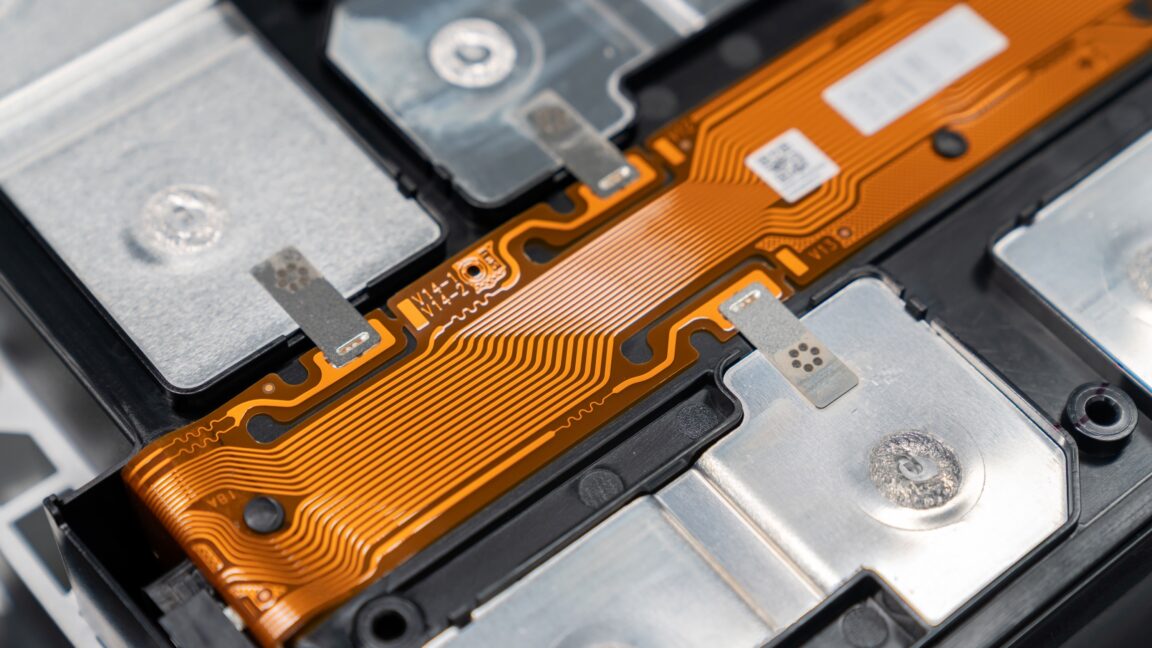
Tesla picks LGES, not CATL, for $4.3 billion storage battery deal
The lithium iron phosphate cells will be made in Michigan.
Tesla's Battery Day showcased significant technological advancements, reinforcing the company's lead in electric vehicle battery development. Analysts believe these innovations accelerate the shift away from internal combustion engine (ICE) vehicles. For owners and enthusiasts, this signals faster improvements in range, cost, and performance for future Tesla models.
Rock Tech Lithium is building a major battery-grade lithium hydroxide plant near Tesla's Giga Berlin factory. This local supply of a key battery material will support Tesla's European production, potentially improving supply chain efficiency and scaling for its electric vehicles.
Tesla's 2019 Impact Report details its progress toward creating a comprehensive sustainable energy ecosystem. It highlights the company's successes in integrating electric vehicles with solar generation and battery storage. For owners and enthusiasts, this underscores Tesla's broader mission beyond cars, aiming to reduce global carbon emissions through a complete energy product lineup.
Tesla's new 4680 battery cells are hinted to have achieved a "million-mile" lifespan, despite not being explicitly announced during Battery Day. This suggests a major advancement in battery longevity is already in production. For owners, this could translate to significantly longer-lasting vehicles with minimal battery degradation over many years of use.
Tesla's key battery supplier, LG Energy Solution, has signed an agreement to invest in Indonesia. This move aims to secure a stable supply of critical battery materials, like nickel, from a major global source. For Tesla, this means greater supply chain security and potential long-term stability for its battery production.
Tesla is expanding its lithium refining operations beyond its first U.S. site and is now evaluating potential locations in Canada and Louisiana. This move aims to secure a direct and stable supply of battery-grade lithium. For owners and enthusiasts, it signals Tesla's commitment to controlling its battery supply chain, which could lead to greater production stability and potentially lower long-term costs.