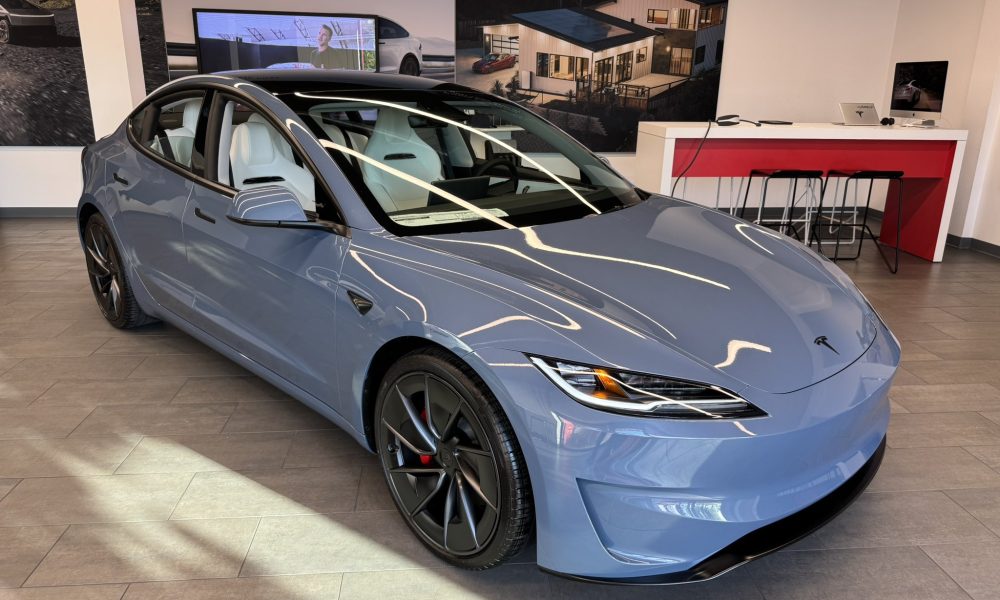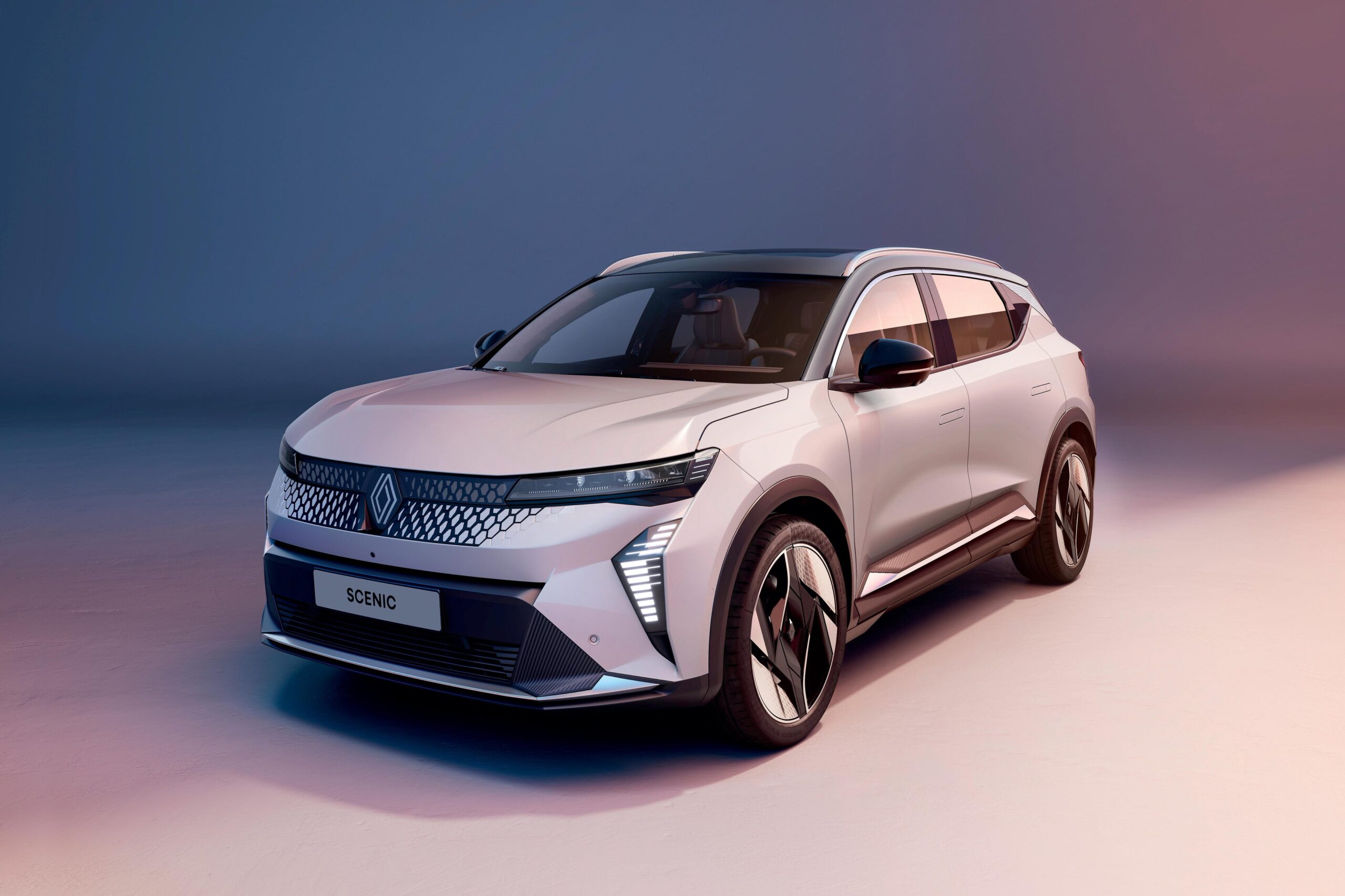
In the methodical world of spreadsheet analysis and deliberate decision-making, a single 18-minute experience can upend weeks of careful planning. This was the reality for one self-described non-impulsive consultant, who entered a Renault dealership for a final test drive of the new Scénic E-Tech, only to place an order for a Tesla Model Y less than a day later. The catalyst wasn't the car he came to see, but a decisive stop at a Tesla Supercharger that rendered his detailed comparison spreadsheets instantly obsolete.
The Calculated Cross-Shop: Renault Scénic E-Tech vs. Tesla Model Y
The prospective buyer, a professional who lives in Excel spreadsheets, had meticulously narrowed his electric vehicle search to two contenders: the stylish, family-oriented Renault Scénic E-Tech and the segment-dominating Tesla Model Y. He allocated a full two weeks for the final evaluation, intending to weigh design, practicality, and value with his characteristic thoroughness. The test drive of the Renault was part of this planned process, but it inadvertently set the stage for a direct, real-world comparison that no spec sheet could match.
The 18-Minute Revelation at the Supercharger
The pivotal moment occurred after the Renault test drive. The consultant and the dealership representative drove the Scénic E-Tech to a nearby Tesla Supercharger station to experience public charging firsthand. In the time it took to grab a coffee, the Model Y plugged in at an adjacent stall added a staggering amount of range. Witnessing the Supercharger network's speed and seamless plug-and-charge operation firsthand was a revelation. The contrast with the Renault's charging curve and the fragmented state of many third-party networks became painfully clear, highlighting Tesla's profound infrastructure advantage.
This on-the-ground experience cut through the theoretical pros and cons. The consultant realized that for his lifestyle, superior daily technology and cabin space were secondary to consistent, worry-free long-distance travel. The Tesla's integrated ecosystem—combining the vehicle, its navigation, and the reliable, high-speed charging network—presented a cohesive solution. The Renault, while a competent EV, suddenly appeared as just a car dependent on an often inconsistent public charging landscape.
Implications for Tesla Owners and Investors
This story underscores a critical, often underestimated pillar of Tesla's value proposition: the seamless ownership experience. For investors, it's a potent reminder that the company's moat extends far beyond battery technology or software. The Supercharger network remains a decisive conversion tool and a significant recurring revenue stream, one that competitors are spending billions to try and replicate. For potential EV buyers, especially those transitioning from internal combustion engines, the lesson is to prioritize the complete ecosystem, not just the vehicle's on-paper specs. Tesla's ability to deliver a holistic, convenient package continues to win over even the most analytical customers, securing loyalty and driving sales directly from the competition's showrooms.