In a move poised to redefine the silicon backbone of its autonomous future, Tesla is set to unveil its highly anticipated Terafab project in just seven days. CEO Elon Musk confirmed the imminent launch, marking a critical step in the company's vertical integration strategy and its quest for full self-driving capability. This announcement catapults a project first teased to shareholders last year from speculative roadmap to tangible hardware, signaling a new phase in the AI arms race within the electric vehicle sector.
From Blueprint to Reality: The Terafab Promise
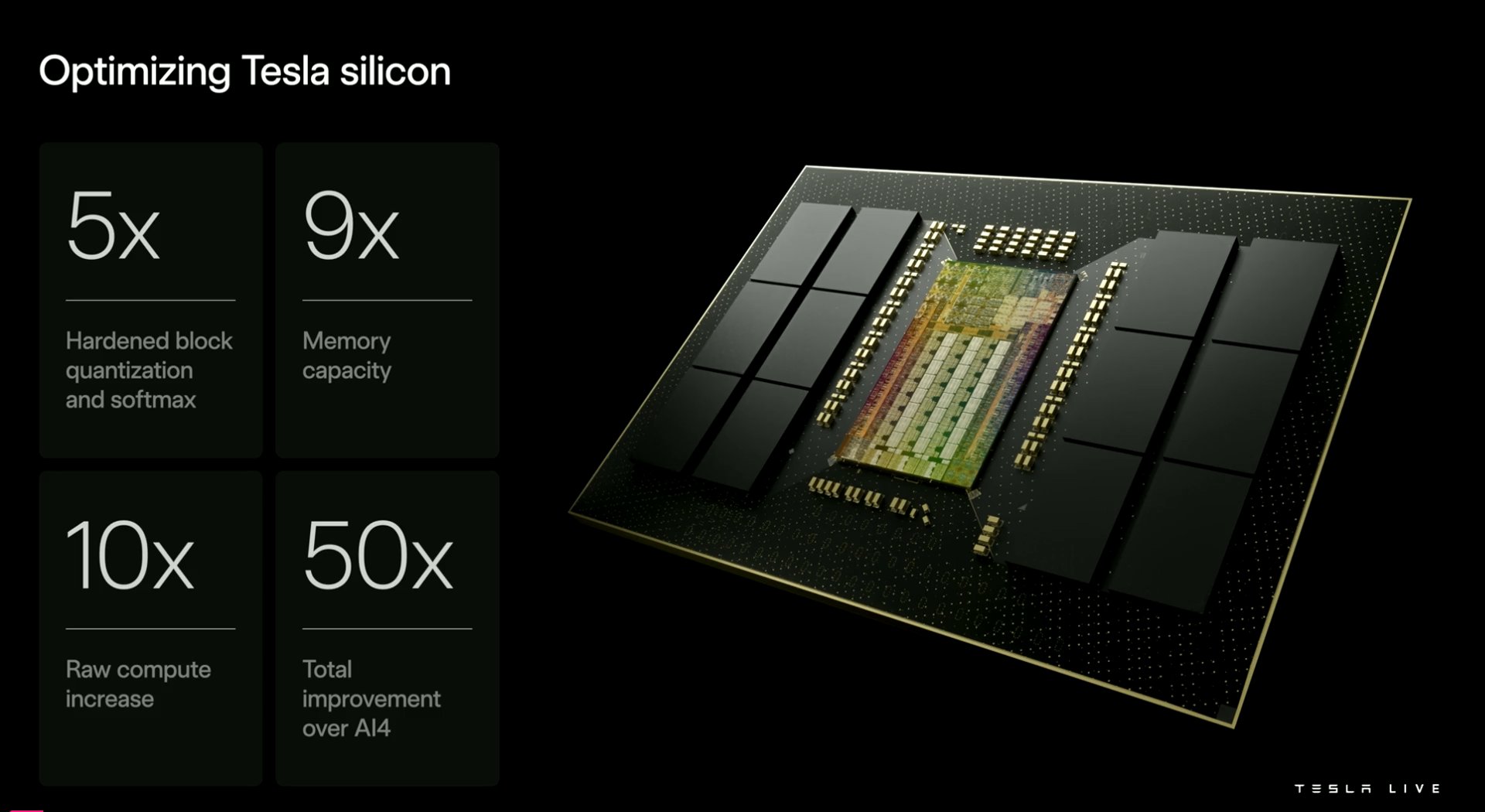
First discussed at Tesla's annual shareholder meeting in 2023, the Terafab initiative represents Elon Musk's ambitious vision for bringing advanced semiconductor manufacturing in-house. The project is understood to be focused on designing and producing Tesla's next-generation AI inference chip, a successor to the current Hardware 4 computer. By controlling the entire stack from silicon to software, Tesla aims to achieve unprecedented performance and efficiency gains necessary for scalable robotaxis and beyond. The launch next week suggests Tesla's engineering teams have achieved key fabrication milestones, potentially involving a cutting-edge 3-nanometer or smaller process node to deliver the massive computational power—or "tera"-scale operations—hinted at by the project's name.
Strategic Implications for Tesla's Autonomy Moonshot
The development of Terafab is not merely a technical upgrade; it is a core strategic gambit. Dependence on external chip suppliers like NVIDIA creates bottlenecks in both supply and customization. An in-house, purpose-built AI chip allows Tesla to perfectly tailor the hardware to the unique demands of its Full Self-Driving (FSD) neural networks, optimizing for lower latency and higher throughput per watt. This autonomy over its most critical component could accelerate the iteration speed of FSD software, as hardware and development cycles become more synchronized. Furthermore, it provides a formidable competitive moat, making Tesla's autonomy stack increasingly difficult to replicate by rivals relying on off-the-shelf computing solutions.
For Tesla investors, the Terafab launch is a pivotal signal of execution capability in a high-stakes domain. Successfully deploying its own AI silicon would translate to improved gross margins on future vehicles and services, while a misstep could delay key product timelines. For Tesla owners, particularly those invested in the FSD ecosystem, Terafab heralds the hardware platform that may finally deliver on the promise of high-fidelity autonomous driving. The unveiling next week will be scrutinized for performance specifications, production timelines, and clarity on which future vehicles—most notably the dedicated robotaxi platform unveiled earlier this year—will be the first to receive the Terafab brain. The company's technological destiny is increasingly being forged in its own fabs.