While the fully driverless vehicles of Waymo and Cruise have captured headlines, a new analysis reveals Tesla is mounting a formidable challenge in the autonomous ride-hailing arena through aggressive pricing, albeit with a significant operational caveat. Data from the aggregation app Obi shows that Tesla's early-stage "robotaxi" service, operating under its broader ride-sharing initiative, is undercutting the competition on cost but struggling to match their efficiency, highlighting the divergent paths companies are taking to autonomy.
The Price War Heats Up
According to Obi's market analysis, the average cost of a Tesla ride-hail is substantially lower than its rivals. The data indicates a Tesla trip averages around $0.73 per mile, compared to approximately $1.59 per mile for a Waymo journey. This dramatic price difference, nearly 50% cheaper, is Tesla's opening gambit. The company is leveraging its existing fleet of privately-owned Tesla vehicles enrolled in its sharing network, avoiding the monumental capital expenditure of building and maintaining a proprietary fleet of specialized robotaxis like Waymo's purpose-built Jaguar I-PACEs. This asset-light model allows Tesla to pass on significant savings to the consumer from day one.
The Wait-Time Conundrum
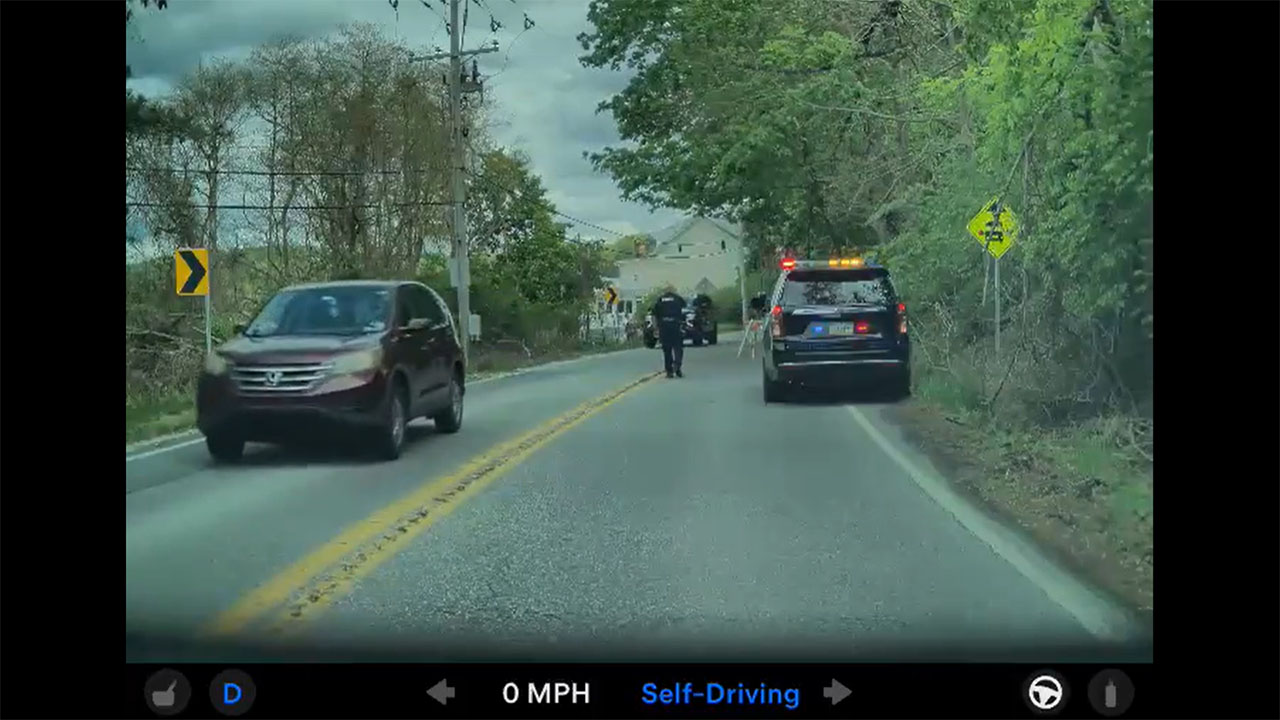
This cost advantage, however, comes with a major trade-off: availability and speed. The same report highlights that the average wait time for a Tesla is a lengthy 15-20 minutes, dwarfing Waymo's typical 2-3 minute arrival window in its operational zones. The core reason is a fundamental difference in autonomy. Tesla's current offering is not a true robotaxi; it requires a safety monitor behind the wheel—a trained human driver who must be ready to take control using a kill switch. This human-dependent model creates a supply bottleneck, relying on driver availability rather than a scalable fleet of always-ready, fully autonomous vehicles.
This contrast underscores the strategic fork in the road for the EV and autonomy sector. Waymo's approach is "geofenced perfection," deploying a smaller number of expensive, driverless vehicles in meticulously mapped urban areas for maximum reliability. Tesla is betting on a "wide-net evolution," utilizing millions of its customer cars equipped with Full Self-Driving (FSD) software to gather data and gradually remove the human driver, aiming for scale over immediate, confined service. The current longer wait times are the growing pains of this ambitious, unproven strategy.
For Tesla owners and investors, this data presents a clear snapshot of high-risk, high-reward potential. Owners participating in the ride-share network today benefit from a new revenue stream, but the service's practicality is hampered by the driver requirement. Investors must weigh the compelling unit economics of Tesla's model against the immense technical and regulatory hurdle of achieving true, scalable driverless operation. The company's entire valuation premium tied to autonomy hinges on solving this puzzle and transforming those cheaper per-mile rates into a profitable, on-demand global service without the lag.