Tesla is pushing its biggest software wave of the month to owners worldwide. Software update 2026.44.1 began rolling out on November 17, and the company quickly upgraded it to a wide release, a sign that early installs went smoothly. The package reaches both legacy Hardware 3 (HW3) cars and the newer Hardware 4 (HW4/AI4) fleet, and it brings fresh Full Self-Driving (FSD) builds plus a new Charger Network View for the Tesla navigation experience.
A wide release that spans two hardware generations
Tesla rarely staggers a release across such different hardware, yet 2026.44.1 does exactly that. The update targets the global fleet, covering older HW3 vehicles and newer HW4 cars. Moving to a wide release so soon after the first installs suggests the build passed Tesla's internal validation without major regressions.
For an electric vehicle maker that ships software as often as it ships cars, the pace matters. A rapid expansion from limited deployment to broad availability means most eligible owners should see the update arrive within days rather than weeks. Owners who have not yet received it should confirm that their car is connected to Wi-Fi and set to receive updates.
FSD v14.3 Lite for HW3 and v14.3.13 for HW4
The headline items are the two FSD tracks. HW4 vehicles get FSD v14.3.13, a point release that refines the v14.3 branch. HW3 owners receive FSD v14.3 Lite, a trimmed-down version built for the older computer's more limited processing headroom.
The "Lite" label is the notable part. Tesla has long said HW3 would need a tailored approach to the newer FSD architecture, and many owners have waited for proof. This release is the clearest signal yet that the company is still investing in the older platform instead of leaving it behind. How close the Lite build comes to the HW4 experience will be the question owners answer in the coming weeks.
Charger Network View and what it means for owners
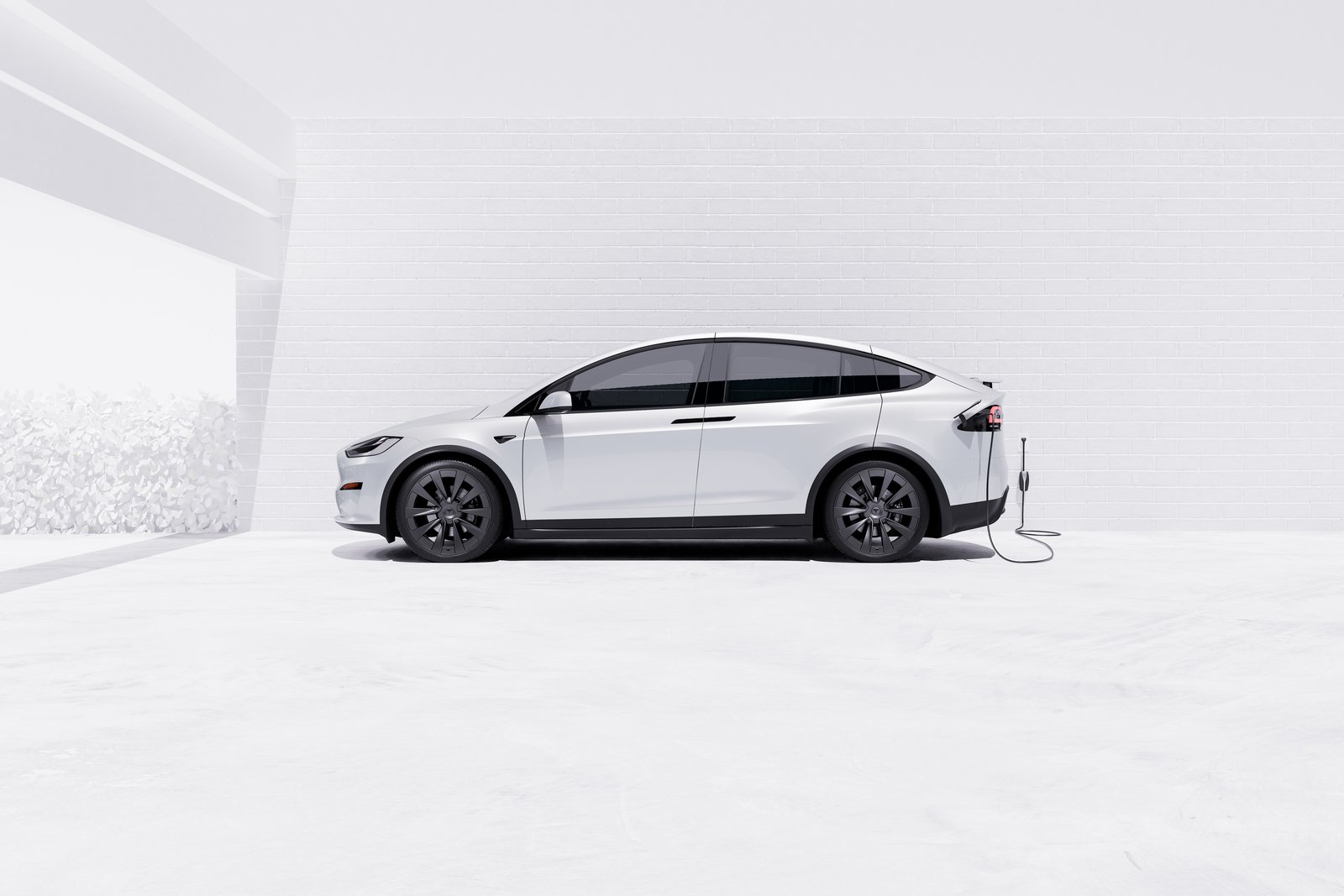
The third highlight is Charger Network View, an addition aimed at everyday EV usability. It gives drivers a clearer picture of the Supercharger network, which supports trip planning and charging decisions. Tesla's charging infrastructure is a core advantage, and better in-car visibility strengthens it.
For owners, the takeaway is practical. HW3 drivers finally get a purpose-built FSD build, and HW4 drivers get continued refinement on a mature branch. For investors, the update supports the narrative that Tesla can monetize and improve its software across a wide installed base, old and new. Watch early feedback on FSD v14.3 Lite closely, because it will shape both owner sentiment and expectations around Tesla's autonomy roadmap.