For Tesla owners, deciphering the official release notes after a major software update is a familiar ritual. Yet, the most significant advancements often lie beneath the surface, hidden in the code and accessible only to those who know where to look. The recent 2026.2.3 update is a prime example, packing a suite of powerful, unannounced tools that offer unprecedented insight into the vehicle's core systems, particularly its autonomous driving brain and battery health.
Service Mode: A New Window into FSD's Neural Network
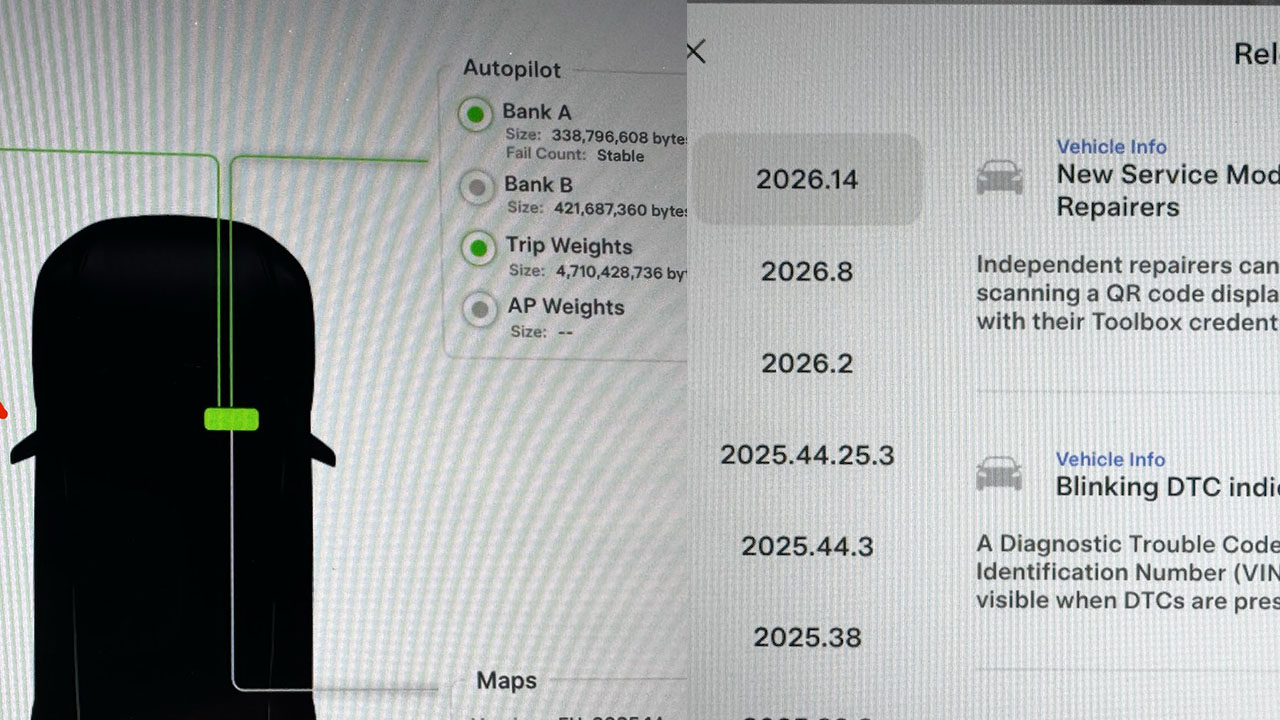
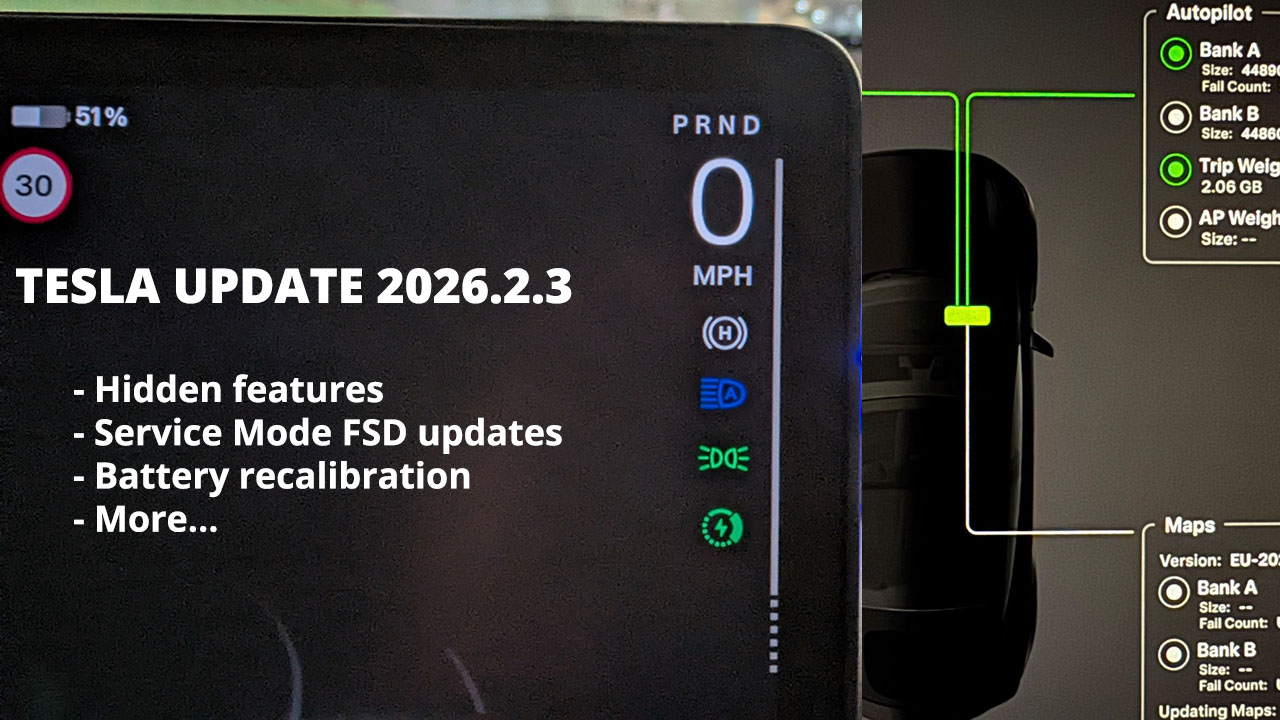
Beyond the public-facing improvements, the 2026.2.3 update significantly enhances the diagnostic Service Mode. Tesla has integrated new FSD data trip weights specifically for vehicles equipped with the latest Hardware 4 (HW4) Autopilot computer. This allows technicians—and savvy owners—to see granular data on how the Full Self-Driving system is performing on a per-trip basis. The weights indicate which driving segments the AI prioritizes for uploading to Tesla's training neural networks, effectively revealing what the company's engineers deem most valuable for improving the algorithm. This is a rare glimpse into the continuous learning process that powers Tesla's autonomous ambitions.
Battery Recalibration and Long-Term Health Diagnostics
Another critical but unheralded feature is a refined battery recalibration routine. Over time, a battery management system's (BMS) estimate of remaining capacity can drift. The new tools in 2026.2.3 facilitate a more precise recalibration process, potentially restoring a more accurate range reading for owners who have noticed discrepancies. More importantly, the update appears to expand long-term diagnostic logging for battery cell voltage and temperature consistency, providing earlier warnings of potential module imbalances. This proactive approach to EV battery health is crucial for maintaining performance and value over the vehicle's lifespan.
The inclusion of these advanced features in a mainstream over-the-air update underscores Tesla's unique position as a software-defined vehicle manufacturer. While other automakers might reserve such deep diagnostics solely for dealer technicians, Tesla is effectively democratizing data. This empowers a segment of the owner community to engage with their vehicle on a technical level previously reserved for engineers. It also reflects a transparent, if subtly communicated, commitment to the longevity and continuous improvement of its products post-purchase.
For Tesla owners and investors, these hidden gems in update 2026.2.3 are profoundly meaningful. Owners gain not just new features, but deeper ownership and understanding of their vehicle's most critical—and expensive—components: the autonomous driving system and the battery pack. For investors, this continuous, data-rich refinement of both FSD and battery systems reinforces the company's core software advantage. It demonstrates a relentless focus on improving the product ecosystem in real-time, enhancing customer satisfaction, and gathering the invaluable data needed to maintain its lead in the electric vehicle and AI races. The real update is often in the details you have to dig to find.