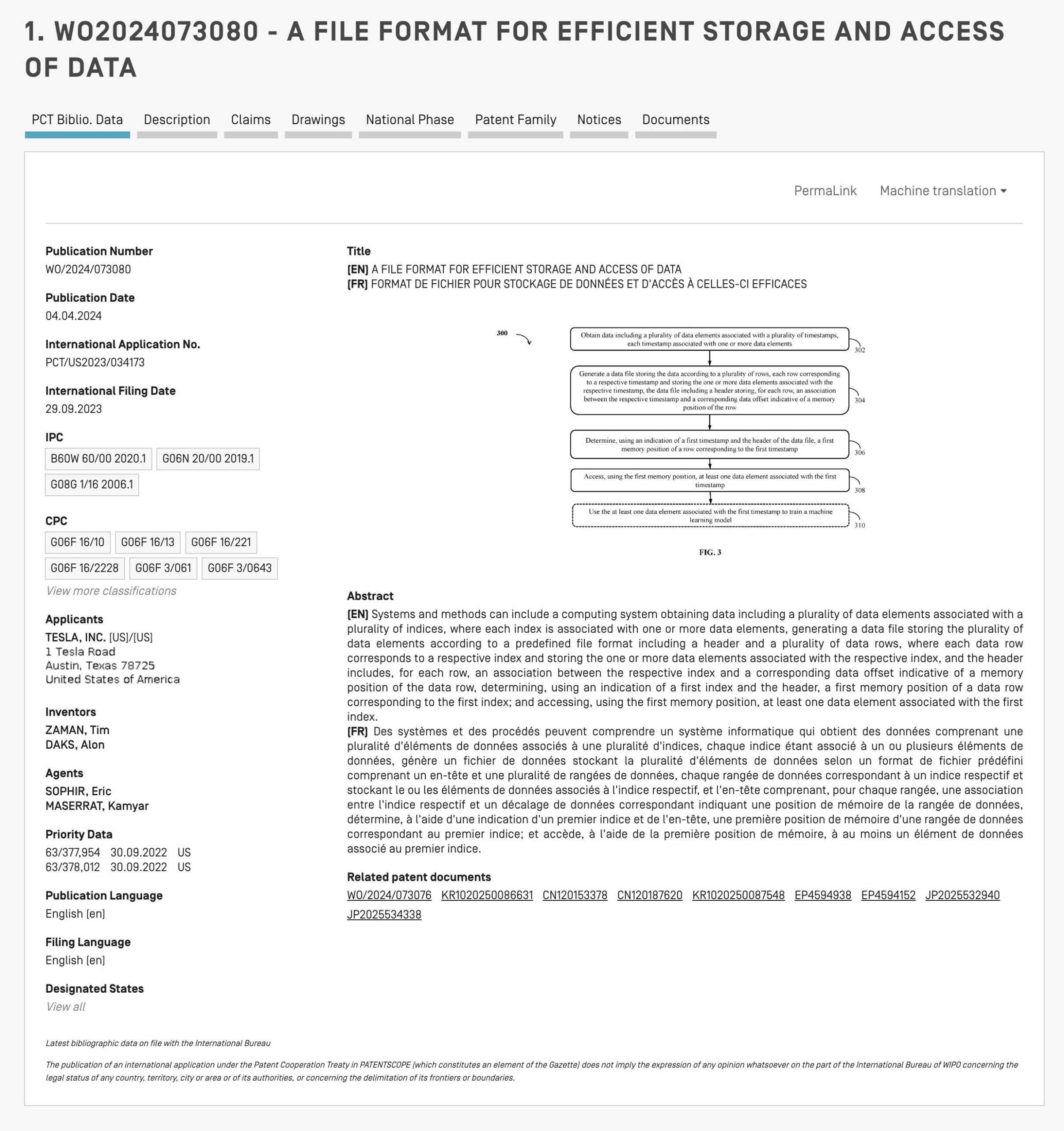
In the high-stakes race for artificial intelligence supremacy, raw computational power from GPUs has long been the undisputed king. However, a silent and pervasive enemy has consistently throttled the potential of even the most powerful supercomputing clusters: the Input/Output (I/O) bottleneck. While the industry scrambles for more chips, Tesla has taken a radically different path, filing a patent for a proprietary new file format that could be its secret weapon. Dubbed .SMOL, this innovation targets the fundamental data pipeline, promising to dramatically accelerate the training of the neural networks that power everything from Full Self-Driving to the Tesla Bot.
Beyond More GPUs: Solving the Data Chokepoint
The relentless pursuit of AI advancement has created a voracious appetite for data, with modern models consuming petabytes of information. Here, the I/O bottleneck becomes critical; it's the point where the speed of feeding data to hungry GPUs can't keep up with the processors' ability to crunch it. Think of a Formula 1 car stuck behind a slow-moving truck—the engine's potential is wasted. Tesla's patent indicates that the .SMOL format is engineered specifically for machine learning workloads, employing advanced compression and a data structure that minimizes latency and maximizes throughput from storage to processor. This isn't about having more compute, but about using the compute you have far more efficiently.
.SMOL's Big Promise: Efficiency at Scale
While technical specifics remain guarded, the implications of a purpose-built AI data format are profound. By streamlining how training data is stored, accessed, and fed into Tesla's Dojo supercomputer and its massive GPU clusters, .SMOL could slash training times for new FSD iterations and other AI models. This efficiency translates directly into a competitive moat. Faster training cycles mean quicker iterations, more rapid refinement of neural networks, and an accelerated pace of innovation. In a field where time is the ultimate currency, shaving days or weeks off development timelines provides an immense strategic advantage.
The development of .SMOL is a clear signal that Tesla views vertical integration in AI infrastructure as critical as it is in vehicle manufacturing. Controlling the entire stack—from the silicon of Dojo's D1 chips to the very format of the data they process—allows for unprecedented optimization. This holistic approach mitigates dependencies on external hardware roadmaps and software solutions, giving Tesla's AI teams the ability to fine-tune every layer for maximum performance. It represents a long-term architectural bet, moving beyond commodity solutions to build a proprietary ecosystem tailored for autonomy and robotics.
For Tesla owners and investors, the .SMOL patent is a deep-tech indicator of the company's systemic approach to achieving its ambitious AI goals. Faster, more efficient AI training doesn't just happen in a lab; it directly fuels the evolution of the customer's driving experience through more capable and swiftly improved Autopilot and FSD features. For investors, it underscores that Tesla's R&D extends far beyond the visible car, building foundational technology that could define its lead in the electric vehicle and robotics sectors for years to come. As the AI arms race intensifies, victories will be won not just with processing brute force, but with elegant solutions to the hidden bottlenecks—and Tesla is now playing on that frontier.