Tesla has once again demonstrated its ability to defy near-term operational headwinds with superior financial performance, delivering a robust earnings beat that has electrified Wall Street. Following a reported dip in quarterly vehicle deliveries, the company's Q1 2026 financial results reveal a resilient and increasingly diversified profit engine, silencing doubts and refocusing the narrative on bottom-line strength and strategic execution.
Financial Fortitude Amidst Delivery Dip
The core numbers tell a compelling story of financial discipline. Tesla reported a clear beat on both earnings per share (EPS) and revenue against analyst expectations. This achievement is particularly notable given the context of its Q1 delivery figures, which came in at 358,023 vehicles against production of 408,386 cars. The discrepancy between production and deliveries indicates intentional inventory management or a logistical shift, rather than weakening demand. More critically, the revenue beat suggests Tesla successfully leveraged its industry-leading margins, potentially through a richer product mix, increased revenue from its growing services and software segments, or sustained cost efficiencies that protected profitability even with slightly lower volume.
Decoding the Profit Engine: Beyond the Assembly Line
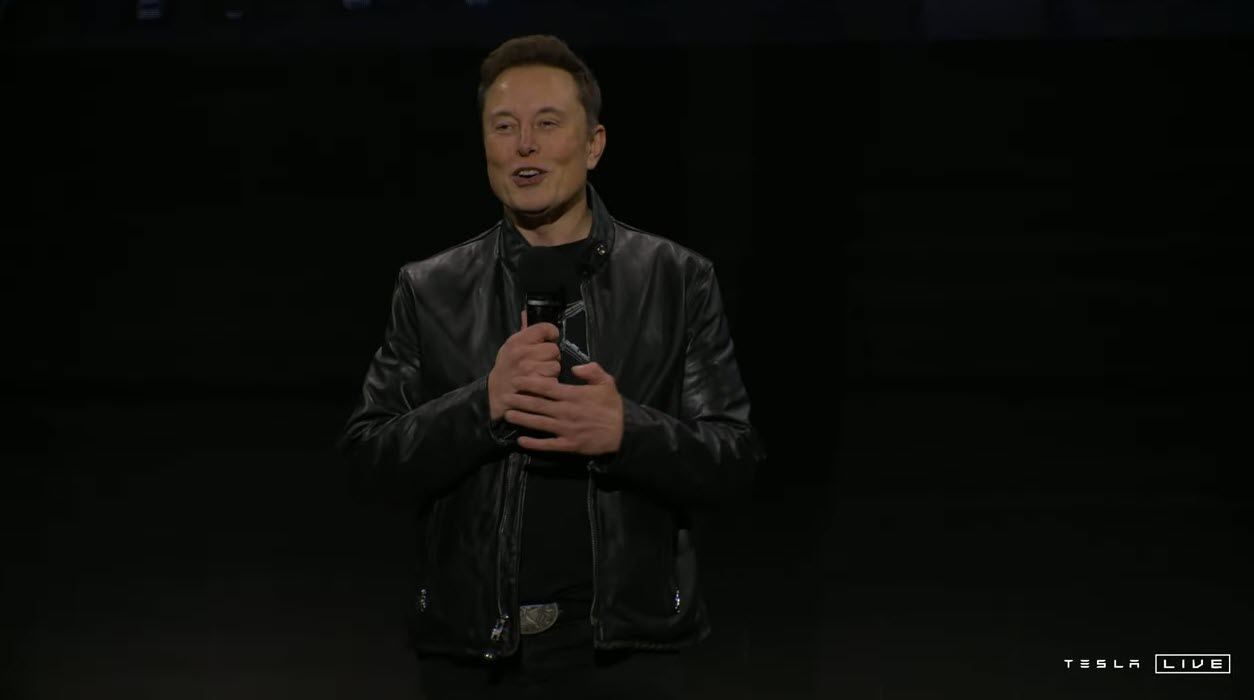
This quarter underscores a fundamental evolution in how Tesla generates value. While automotive revenue remains the cornerstone, the earnings resilience points to the powerful contribution of high-margin software and services. Recurring revenue streams from Full Self-Driving (FSD) software subscriptions, Supercharging network fees, and energy storage deployments are becoming significant profit buffers. This diversification insulates Tesla from the pure cyclicality of auto manufacturing and validates CEO Elon Musk's long-stated vision of the company as a suite of integrated energy and technology businesses. The ability to beat on EPS despite a delivery miss is a textbook example of this model in action.
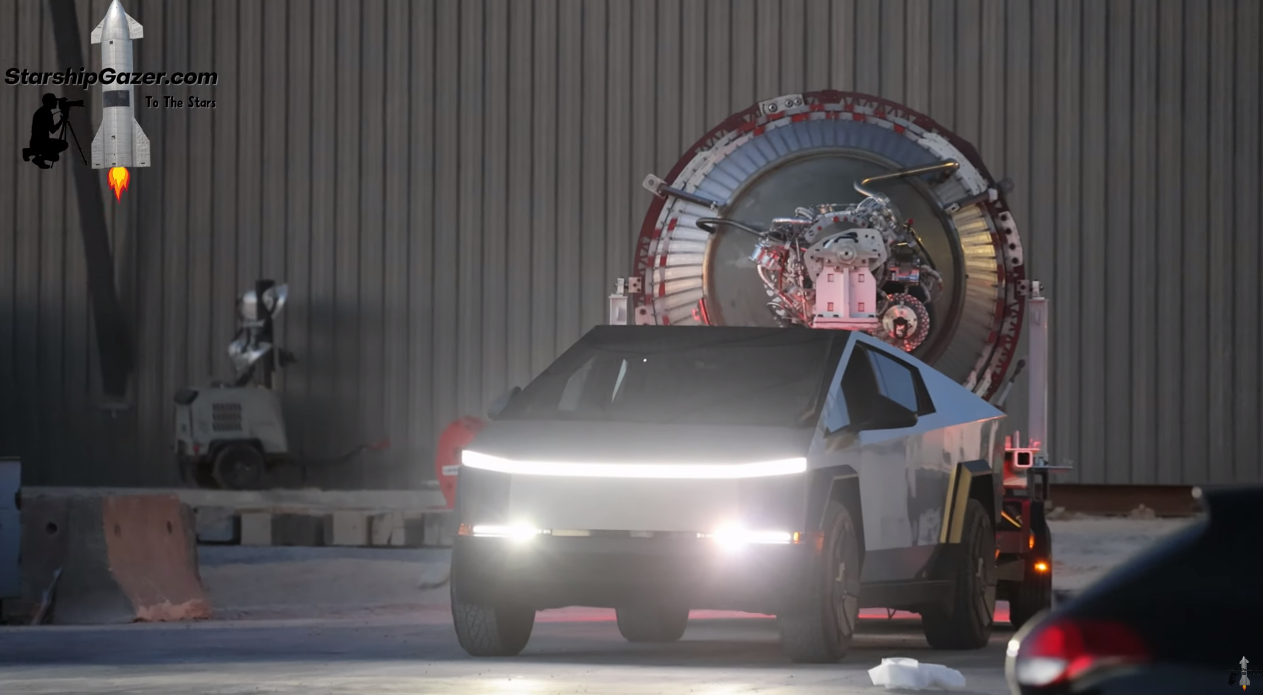
The strong results also provide crucial breathing room for Tesla's ambitious future projects. Capital-intensive initiatives like the development of the next-generation platform for more affordable EVs, scaling of the Cybertruck production, and expansion of its 4680 battery cell manufacturing are all funded by the company's operational cash flow. A profitable quarter ensures these long-term bets remain on track without excessive reliance on external financing, maintaining Tesla's strategic independence.
Implications for the Tesla Ecosystem
For Tesla owners and investors, the Q1 2026 report is a reassuring signal of stability and forward momentum. Owners can expect continued investment in the vehicle ecosystem, including Supercharger network expansion and software updates, backed by a financially healthy company. For investors, the takeaway is dual-faceted: it confirms the underlying profitability of the core business while highlighting the successful activation of higher-margin revenue streams. The market's reaction will likely hinge on whether this performance is seen as a one-time adjustment or evidence of a durable new phase where Tesla's financials are less tightly coupled to quarterly delivery fluctuations. In either case, the report proves Tesla's capacity to navigate challenges and fund its own future, a trait that remains its most compelling competitive advantage.