Tesla wants to buy its way deeper into manufacturing hardware. The company's proposed acquisition of EMAG, a German machine-tool manufacturer, has entered regulatory review. The move suggests the electric vehicle giant wants tighter control over the equipment that builds its cars.
What the regulatory review means
The filing puts the deal in front of competition and investment authorities. No closing date or price has been made public, and the review does not guarantee approval. Reviewers typically examine whether a transaction harms competition or touches sensitive industrial technology. Both questions matter here, because EMAG sits in a strategically important part of German industry.
Regulators will likely focus on EMAG's customer base. Machine-tool makers usually sell to many carmakers and suppliers. If Tesla owns the supplier, rivals may worry about access to equipment, servicing and future technology. Those concerns are the kind that can trigger conditions or extended scrutiny.
Why EMAG fits Tesla's manufacturing playbook
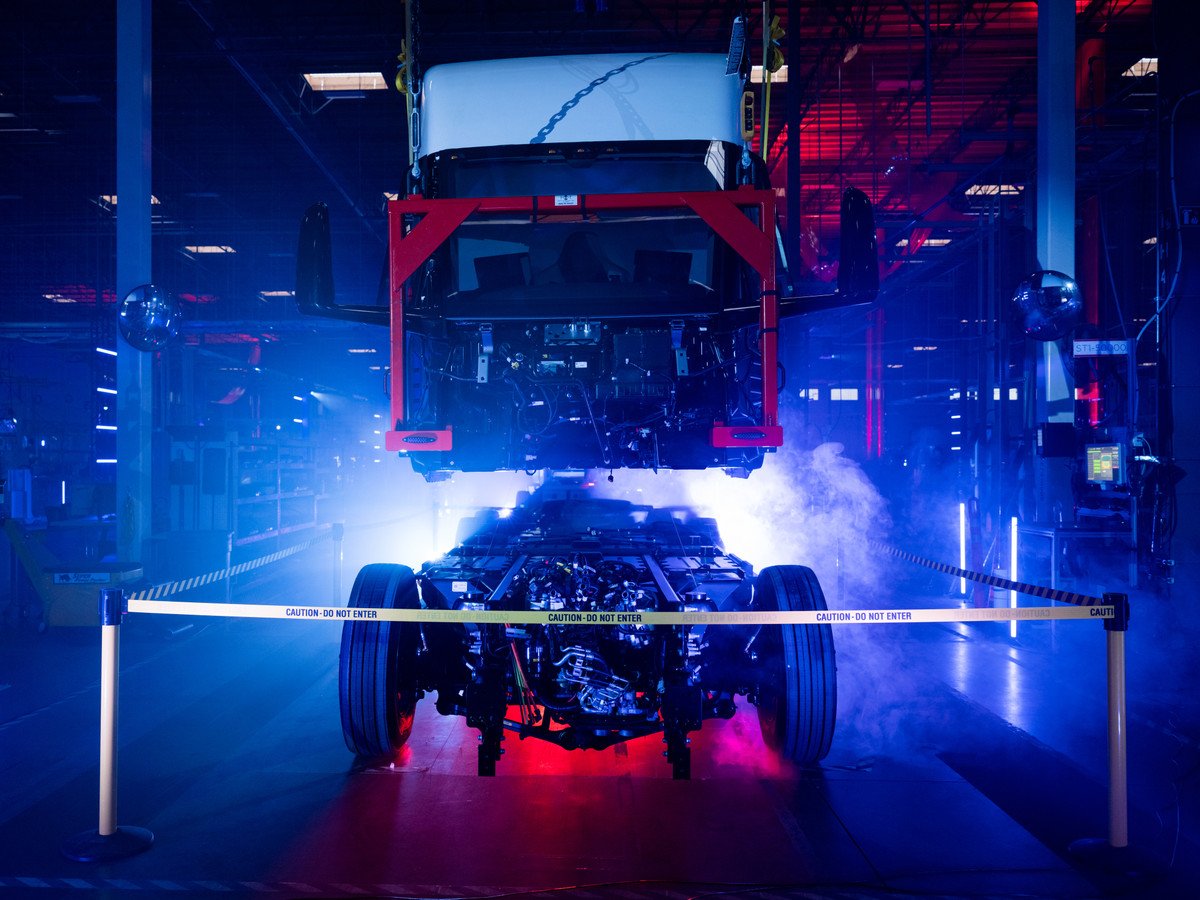
EMAG, based in Baden-Württemberg, is known for precision machining systems used in powertrain and drivetrain production. That expertise lines up with Tesla's long-running push to simplify and vertically integrate production. The company has already reshaped the industry with large-scale casting and compact, highly automated lines. Owning a specialist toolmaker would extend that approach into the machines themselves.
The strategic logic is clear. Tesla designs its factories as products, and it iterates on them as aggressively as on its vehicles. Bringing machining know-how in-house could shorten development cycles and protect proprietary processes. It could also help lower per-vehicle costs, which remains central to Tesla's competitive position in a price-sensitive EV market.
Implications for owners and investors
Owners will not see a change soon. Any benefits would come through manufacturing efficiency, with gains in quality, consistency and cost showing up gradually in future vehicles and platforms. The deal also adds to Tesla's footprint in Germany, where its Grünheide plant is a key European production base.
Investors should watch three things: the regulatory outcome, any conditions attached to approval, and how Tesla plans to handle EMAG's existing customers. A clean clearance would signal that Tesla can keep expanding its industrial reach. A prolonged review or tough remedies could slow the plan and raise questions about how far vertical integration can go.