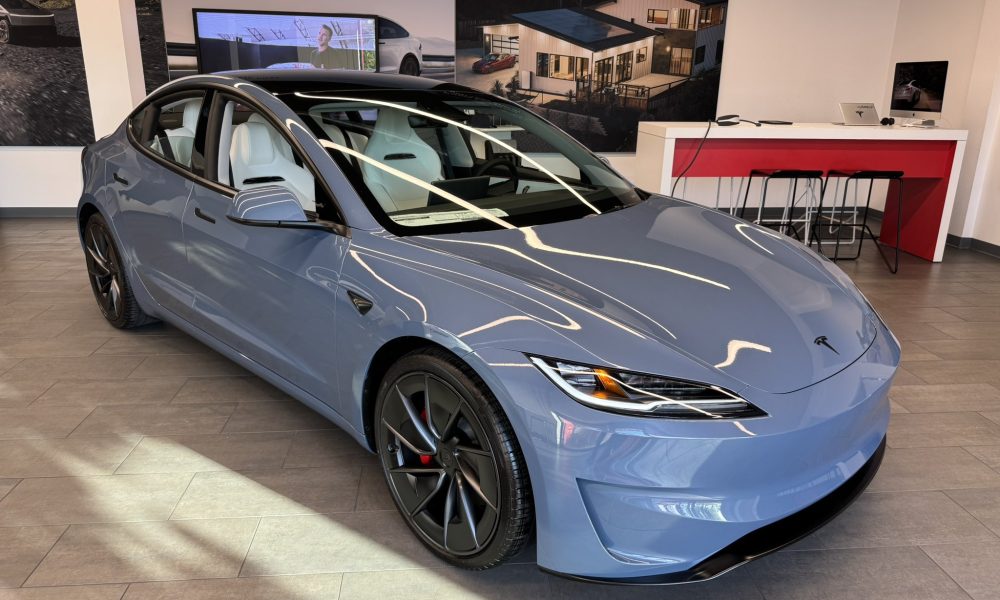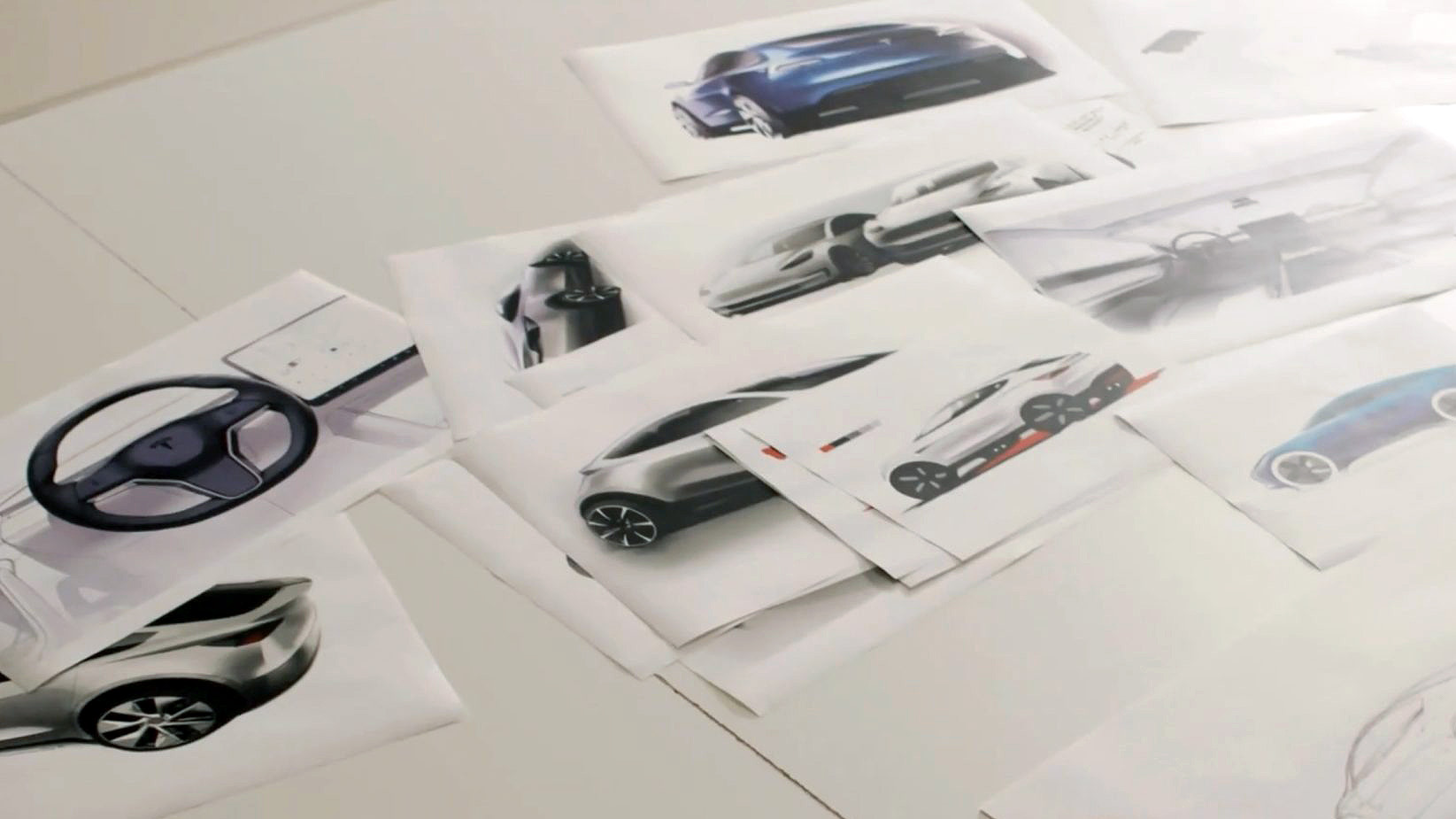
In a strategic pivot that could reshape the mass-market electric vehicle landscape, Tesla is reportedly deep in development of a new, affordable compact SUV. This move signals a direct assault on the heart of the global auto market and suggests Elon Musk's vision of a truly accessible EV is far from abandoned. After intense focus on the high-volume Model Y and the futuristic Cybertruck, this rumored model represents a crucial play for volume, aiming to bring the Tesla experience to millions of new customers.
The "Model 2" Reborn as a Compact SUV?
Industry whispers, corroborated by sources close to supply chains, indicate this new vehicle is not the once-anticipated low-cost sedan often dubbed the "Model 2." Instead, Tesla's strategy appears to have evolved toward the world's most popular body style: the compact SUV. The vehicle is believed to be built on a next-generation platform that promises radical manufacturing innovations to achieve its target price point. This platform is expected to utilize gigacasting techniques and a simplified battery architecture to drastically reduce production costs and complexity, potentially undercutting the current cheapest Tesla, the Model 3, by a significant margin.
A Global Product for a Competitive Arena
The target market for this affordable SUV is unequivocally global. Tesla intends to produce the vehicle at its Giga Texas and Giga Berlin factories, but a key piece of the puzzle is its planned production at the forthcoming Giga Mexico. This triangulated manufacturing strategy is designed to cater to North American, European, and emerging markets simultaneously. The vehicle will enter a fiercely competitive segment, going head-to-head with established offerings like the Volkswagen ID.4 and Ford Mustang Mach-E, as well as a growing slate of compelling EVs from Chinese automakers.
For Tesla, this is not merely about adding another model. It's a necessary evolution to maintain its growth trajectory and market leadership. The company faces increasing pressure from rivals offering feature-rich EVs at lower price points. A compelling, no-frills Tesla SUV priced in the $25,000 to $30,000 range would be a formidable tool to fend off this competition and activate a vast segment of price-sensitive consumers who have been waiting on the EV sidelines.
The implications for Tesla owners and investors are substantial. A successful launch would dramatically expand Tesla's total addressable market, driving the volume needed to justify its expansive factory footprint and sustain its sky-high valuation. For prospective owners, it promises to lower the entry barrier to the Tesla ecosystem, bringing Autopilot, the Supercharger network, and software-centric ownership within reach. However, execution is everything; this project will test Tesla's ability to deliver revolutionary cost-reduction without compromising the core attributes that define its brand.