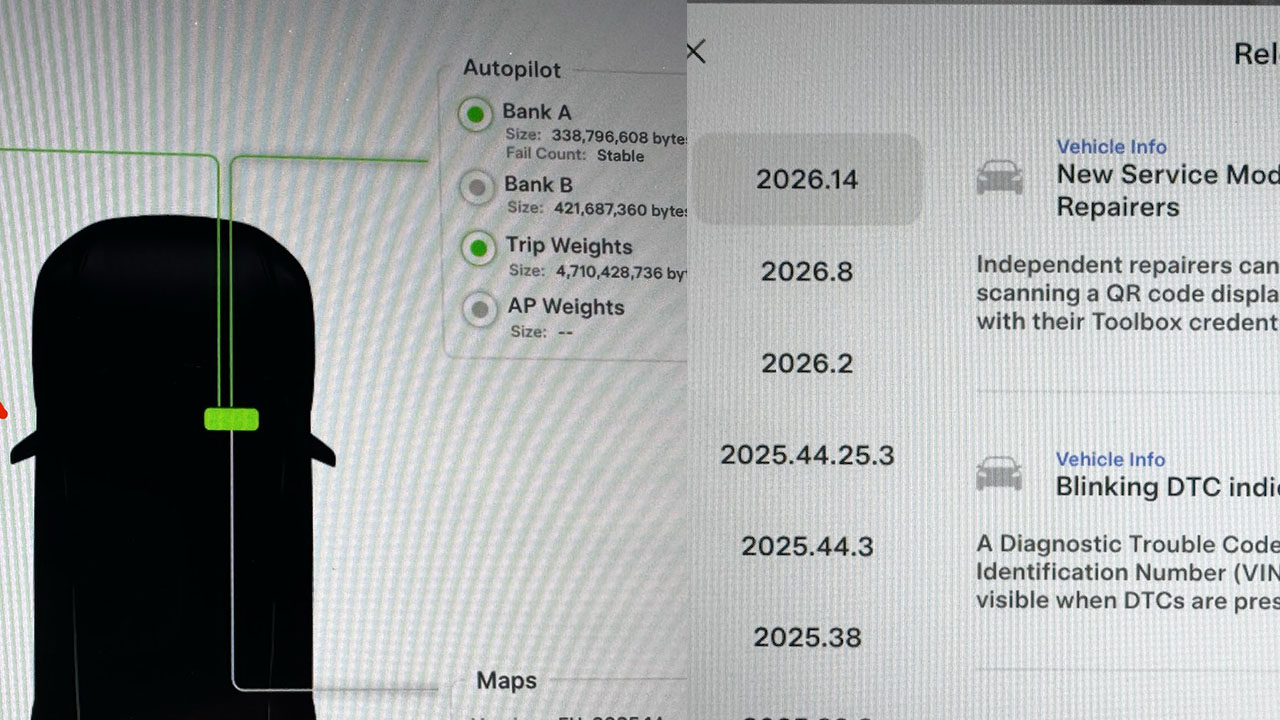
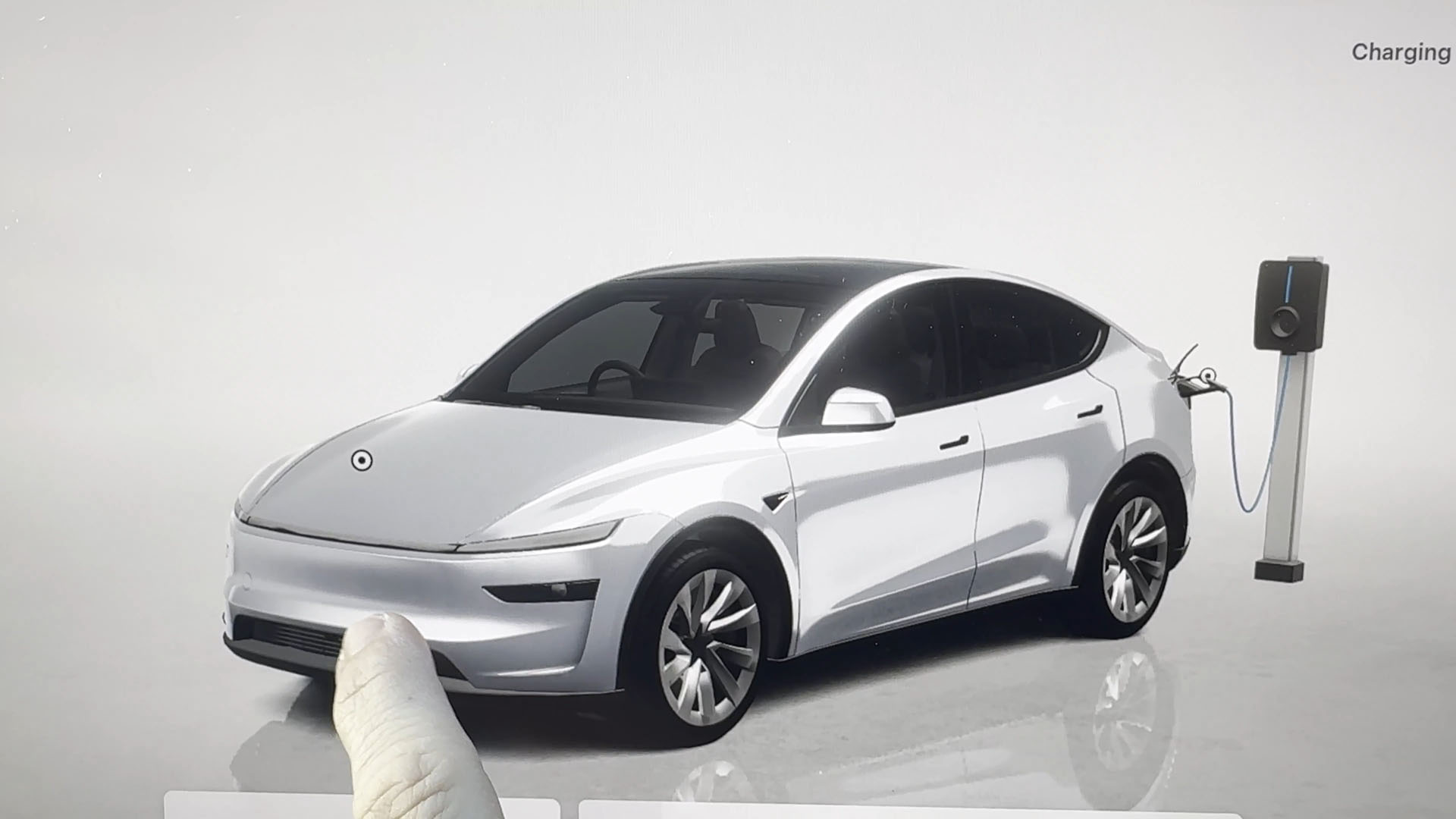
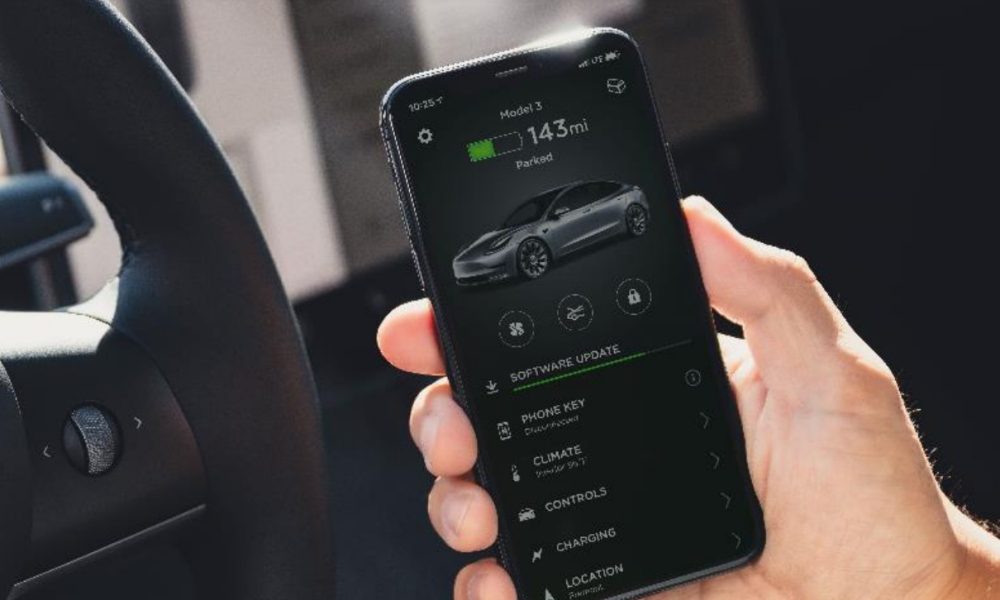
In a move that underscores the evolving narrative around automated driving, Tesla has begun deploying a significant software update that changes the very language its drivers use. Update 2026.2.9, now rolling out over-the-air, contains no new features or functional upgrades. Instead, its sole purpose is to rename several core Autopilot-related features, signaling a strategic shift in how Tesla communicates the capabilities and limitations of its driver-assistance suite.
Decoding the New Nomenclature
The update introduces a clearer, more descriptive hierarchy. The standard suite, previously known simply as Autopilot, is now labeled Tesla Autopilot (Basic). The more advanced package, formerly Enhanced Autopilot (EAP), has been rebranded to Tesla Autopilot (Pro). Most notably, the controversial Full Self-Driving (FSD) name has been retired in the software interface, replaced by Tesla Autopilot (Ultimate). This three-tiered Basic, Pro, Ultimate structure moves away from aspirational naming and towards a more conventional, feature-level-based classification familiar in the tech industry.
A Shift Driven by Scrutiny and Clarity
This renaming is far from arbitrary. For years, Tesla's terminology, particularly Full Self-Driving, has been a focal point for regulatory scrutiny and public debate. Critics argued the name could lead to dangerous driver complacency, despite Tesla's repeated warnings that the system requires active supervision. The change to Tesla Autopilot (Ultimate) appears to be a direct response, aligning the software's name more closely with its true nature: a highly advanced, yet still assistive, driving system. It represents a maturation of Tesla's marketing approach, prioritizing clarity and reducing potential misinterpretation as the technology remains under the global regulatory microscope.
The update also refines the names of specific functions within the packages. For instance, "Navigate on Autopilot" is now more succinctly described as Automatic Lane Navigation, while "Auto Lane Change" sees similar simplification. This linguistic streamlining across the user interface aims to reduce cognitive load for drivers, making it immediately clearer what each activated function is designed to do without relying on branded sub-names.
Implications for the Tesla Ecosystem
For current Tesla owners, the update is a seamless background change that alters words on the screen, not the driving experience. However, the implications are meaningful. It sets a new standard for transparency, potentially strengthening Tesla's position in ongoing dialogues with transportation safety authorities. For investors, the move signals a more pragmatic and less confrontational phase in Tesla's Autopilot development, possibly mitigating a longstanding reputational and regulatory risk. Looking ahead, this rebranding could lay the groundwork for the eventual, regulatory-approved launch of a truly driverless system, which would then likely be introduced under an entirely new and distinct name, leaving the "Autopilot" family clearly defined as driver-in-the-loop assistance.