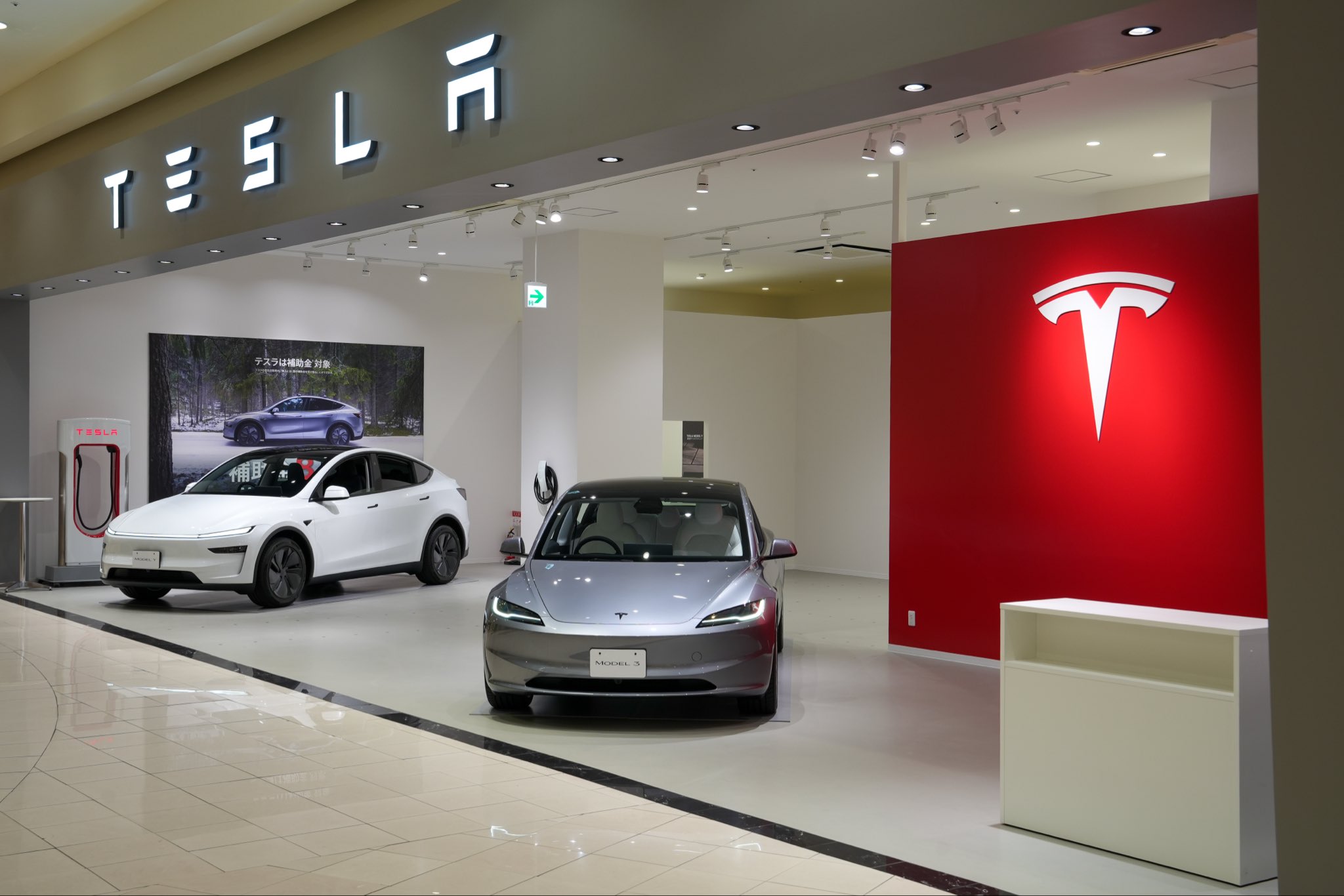
Tesla is quietly but decisively expanding its footprint in Eastern Europe, and the latest evidence comes from an unexpected corner of the Balkans. New corporate filings from Bulgaria’s commercial registry reveal that the automaker has formally registered a company in the country, signaling a concrete move toward establishing a direct sales and service presence. This development marks a significant shift for Bulgarian EV enthusiasts, who have long relied on unofficial imports and third-party service options. The registration, submitted under the entity Tesla Bulgaria EOOD, brings the country one step closer to joining the growing list of nations where Tesla operates directly.
What the New Filing Reveals
According to records accessed from Bulgaria’s Registry Agency, the newly registered company is headquartered in Sofia, the capital city. The filing lists standard corporate details, including a local address and management structure, but stops short of specifying immediate plans for retail locations or service centers. However, the move is a critical procedural step. Without a registered legal entity, Tesla could not sell vehicles directly, import cars for demonstration, or hire local staff. The registration suggests Tesla is preparing for a full market entry, likely beginning with online sales and later expanding to physical infrastructure. For context, Tesla followed a similar playbook in Romania and Hungary before opening showrooms and Supercharger networks there.
Implications for Bulgarian EV Adoption and Tesla’s Regional Strategy
Bulgaria has been a notable gap in Tesla’s European map. While neighboring countries like Greece, Romania, and Serbia have varying degrees of Tesla presence, Bulgaria’s market remained largely untapped. The country’s EV adoption rate has been slow, partly due to limited charging infrastructure and a lack of manufacturer-backed support. Tesla’s entry could catalyze change. With a direct sales channel, Bulgarian customers would no longer face the logistical hurdles and warranty concerns of importing vehicles from Germany or other EU markets. Moreover, Tesla’s arrival often spurs investment in charging networks, benefiting the broader electric vehicle ecosystem. The company’s Supercharger network remains a key differentiator, and Bulgaria currently has no official Supercharger stations—a situation likely to change once operations begin.
From a regional perspective, this move aligns with Tesla’s broader push into Eastern Europe. The company has recently ramped up activity in Poland, Czech Republic, and the Baltics, while also exploring markets like Ukraine and Moldova. Bulgaria’s strategic location, as an EU member with growing digital infrastructure, makes it a logical next step. The registration also comes at a time when Tesla is facing increased competition from legacy automakers and Chinese EV brands in Europe. Establishing a direct presence in smaller but developing markets could help Tesla maintain its growth trajectory amid slowing demand in more saturated regions like Western Europe.
What This Means for Tesla Owners and Investors
For current and prospective Tesla owners in Bulgaria, this development is overwhelmingly positive. Direct sales mean transparent pricing, access to official warranty and service, and eventual integration into Tesla’s mobile service network. Investors should view this as a signal of Tesla’s commitment to market expansion in underpenetrated regions. While Bulgaria’s EV market is still nascent, early entry positions Tesla to capture a loyal customer base before competitors solidify their foothold. The move also reinforces Tesla’s strategy of building direct-to-consumer channels, bypassing traditional dealerships. As the company continues to register entities in new territories, shareholders can expect incremental but steady growth in vehicle deliveries from these emerging markets—a factor that may not move quarterly earnings immediately but strengthens Tesla’s long-term global presence.