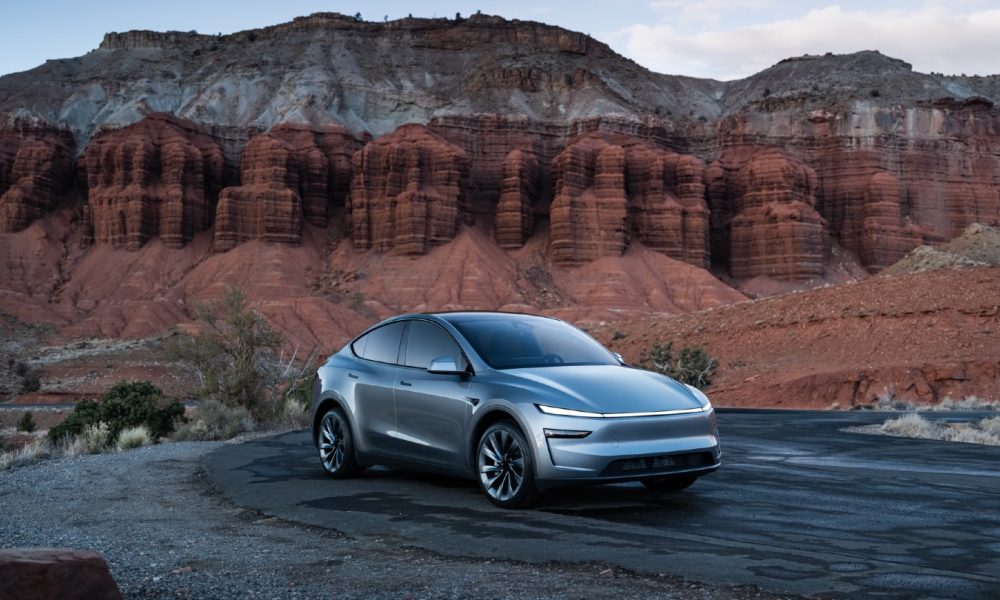
In a seismic shift for the American auto market, the Tesla Model Y has achieved a historic milestone, becoming the best-selling vehicle of any kind—gas or electric—in three key states for the first quarter of 2024. However, this electric triumph unfolds against a complex backdrop where legacy automaker Ford, through the combined might of its F-Series trucks and Mustang Mach-E, secured the overall brand sales crown in those same regions. This dichotomy paints a nuanced picture of a market in transition, where EV dominance is emerging but is not yet universal.
The Model Y's Unprecedented Market Conquest
According to recent registration data, the Tesla Model Y claimed the top sales spot in California, Oregon, and Washington. This trifecta of victory is unprecedented for an electric vehicle and underscores the Model Y's transition from a niche product to a mainstream favorite. Its success is built on a compelling value proposition for the modern consumer: the practicality of an SUV, low operating costs, and the instant performance synonymous with the Tesla brand. The achievement highlights the accelerating adoption of EVs in tech-forward and environmentally conscious coastal markets, where charging infrastructure is robust and consumer sentiment is strongly aligned with electrification.
Ford's Counter-Strategy: An ICE and EV Power Play
While the Model Y won the individual model battle, Ford executed a strategic masterstroke in brand performance. By leveraging the enduring, massive popularity of its gas-powered F-Series pickup trucks alongside the growth of its Mustang Mach-E electric SUV, Ford ensured its overall vehicle sales remained dominant. This dual-track approach allows Ford to capitalize on its entrenched market strengths while simultaneously building its EV footprint. It's a pragmatic hedge in an uncertain market, demonstrating that for many consumers—particularly in segments like full-size trucks—the transition to electric is still in its early phases.
The data reveals a market cleaving along two distinct paths. In progressive coastal states, a single, compelling EV model can now topple all competitors. In the broader national landscape, however, the sheer volume and loyalty surrounding traditional vehicle segments like pickup trucks remain a formidable force. This isn't merely a story of Tesla versus Ford; it's a snapshot of the parallel realities coexisting in today's automotive industry. The race is no longer just about EV sales, but about total brand relevance across both legacy and new powertrains.
Implications for Tesla Owners and Investors
For Tesla owners and investors, the Model Y's triumph in three states is a powerful validation of the company's product strategy and brand appeal. It proves Tesla can create a category-killer that resonates at a mass scale, reinforcing the strength of its direct-to-consumer model and software-centric approach. However, Ford's overall brand victory serves as a crucial reminder of the scale and diversification of the competition. It signals that while Tesla continues to lead the EV charge, legacy automakers are not standing still and are using their broad portfolios to maintain market share. The investment narrative thus evolves from pure EV sales growth to monitoring Tesla's ability to expand its own lineup—particularly with the Cybertruck and future affordable models—to compete in the high-volume segments where rivals still hold sway.

