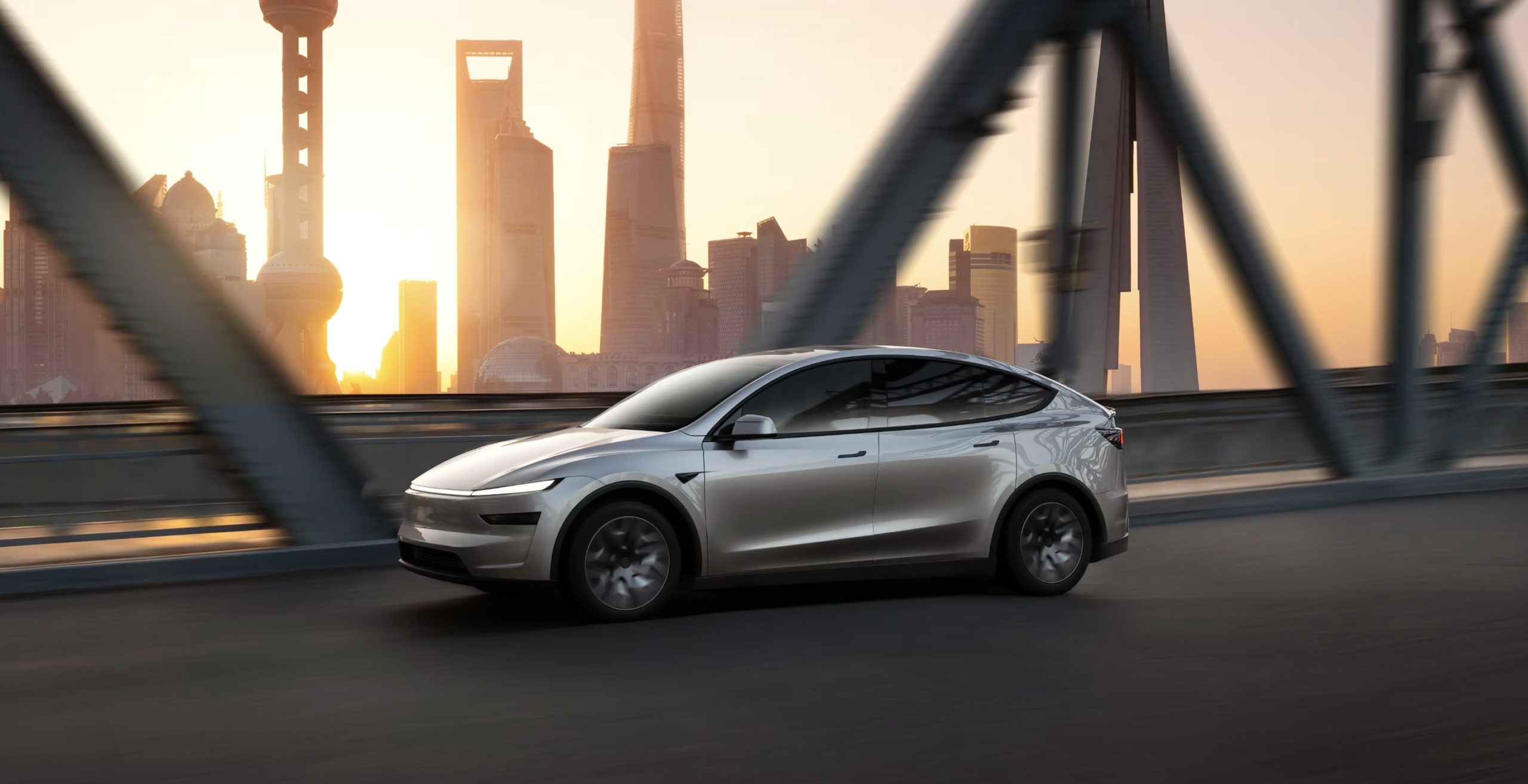
Tesla has strategically expanded its lineup in a key Asian market with the official launch of the Model Y L in South Korea. This move, confirmed by Tesla Korea, follows closely on the heels of the vehicle's regulatory certification just weeks prior, signaling a swift and targeted deployment. The introduction of the six-seat variant directly challenges domestic automakers in the popular SUV segment while catering to the specific demands of larger families and ride-hailing services, a growing sector in the region.
A Strategic Play in a Competitive Market
The launch is more than just a new trim level; it's a calculated maneuver in one of the world's most technologically advanced and competitive automotive landscapes. South Korea is home to automotive giants like Hyundai and Kia, which have been aggressively expanding their own compelling EV portfolios. By introducing the Model Y L, Tesla is addressing a clear gap in its own offerings, providing a practical, three-row electric vehicle option that can go head-to-head with larger utility-focused models. This allows Tesla to capture a wider demographic of buyers who need the space but are committed to the electric transition.
Specifications and Expected Appeal
While full local pricing and detailed specifications are being finalized, the Model Y L is expected to mirror configurations seen in other markets. It features a third-row bench seat, increasing total capacity to six occupants, a configuration highly sought after in the family-oriented SUV market. The model likely retains the impressive performance and range characteristics of the standard Model Y, but its primary selling point is uncompromised utility. This makes it particularly attractive for premium ride-hailing and corporate transport services in urban centers like Seoul, where electric vehicles are increasingly favored.
For Tesla owners and enthusiasts in South Korea, the Model Y L represents a long-awaited option that combines the brand's signature software and performance with greater practicality. It eliminates the need for families to look toward bulkier, less efficient internal combustion vehicles. For investors, this rapid model rollout underscores Tesla's agility in adapting its global product strategy to meet localized demand. Success in South Korea's tough market serves as a valuable benchmark for the company's execution in other regions where competition from local EV champions is intensifying.