The architect behind the digital nervous system powering Tesla's most ambitious future projects is moving on. Thomas Dmytryk, the software director who led the teams responsible for the company's foundational over-the-air (OTA) update platform and the core software infrastructure for its forthcoming Robotaxi service, has announced his departure. After 11 years at Tesla, his exit strikes at the heart of two of the company's defining pillars: continuous vehicle improvement and the transformative promise of autonomous ride-hailing.
A Pillar of Tesla's Software DNA Departs
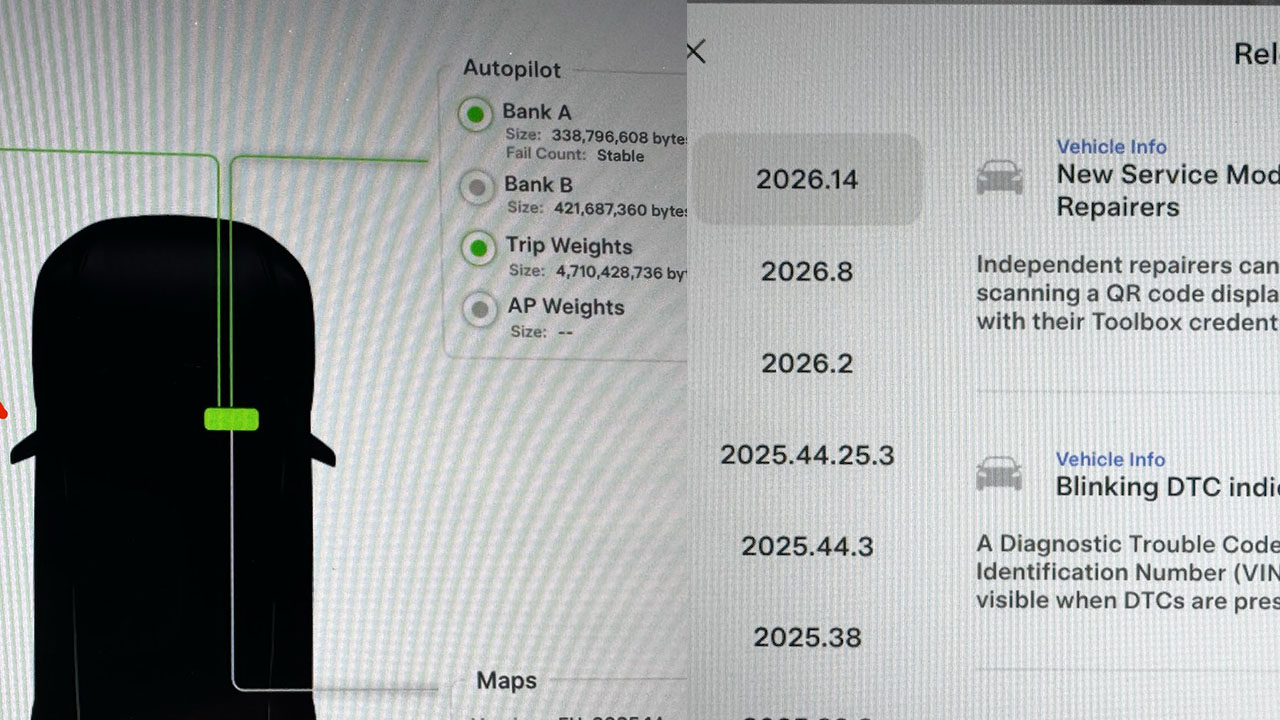
Dmytryk was not a peripheral figure but a key engineer embedded in the core of Tesla's software evolution. His work on the OTA update infrastructure is arguably one of the automaker's most significant competitive advantages, allowing it to remotely enhance performance, add features, and fix issues long after a vehicle leaves the factory. This capability turned the EV from a static product into a dynamically improving asset. More recently, his leadership was directed toward building the complex software backbone required for the Robotaxi network—a service Tesla CEO Elon Musk has touted as the primary driver of the company's future valuation.
Deepening Talent Drain in Critical Divisions
This resignation is not an isolated incident. It adds to a relentless exodus of experienced engineering talent from Tesla over the past two years, particularly within its software and AI divisions. The loss of a veteran with Dmytryk's institutional knowledge and technical pedigree from the autonomous driving program represents a tangible setback. It raises immediate questions about project continuity and momentum for the Robotaxi initiative, which is already under intense scrutiny from investors awaiting proof of technological viability and regulatory approval.
The timing is especially delicate as Tesla navigates increased competition and shifting market priorities. While the company focuses on more affordable models and AI development, the departure of key architects like Dmytryk suggests internal challenges in retaining the very talent needed to execute these long-term, high-stakes visions. The brain drain risks creating knowledge gaps that could delay roadmaps or dilute the innovative edge that has historically set Tesla apart from legacy automakers.
Implications for the Road Ahead
For Tesla owners, the immediate impact may be minimal, as the OTA systems Dmytryk helped build are now mature and operational. However, investors and observers must weigh the cumulative effect of such high-profile departures on the company's ability to deliver on its most complex and futuristic promises, particularly autonomy. The Robotaxi dream relies on exceptionally robust and scalable software—precisely the domain Dmytryk was overseeing. His exit necessitates a seamless transition of leadership to ensure this critical path to growth does not lose velocity or focus, as the market's patience for perpetual "soon" announcements is wearing thin.