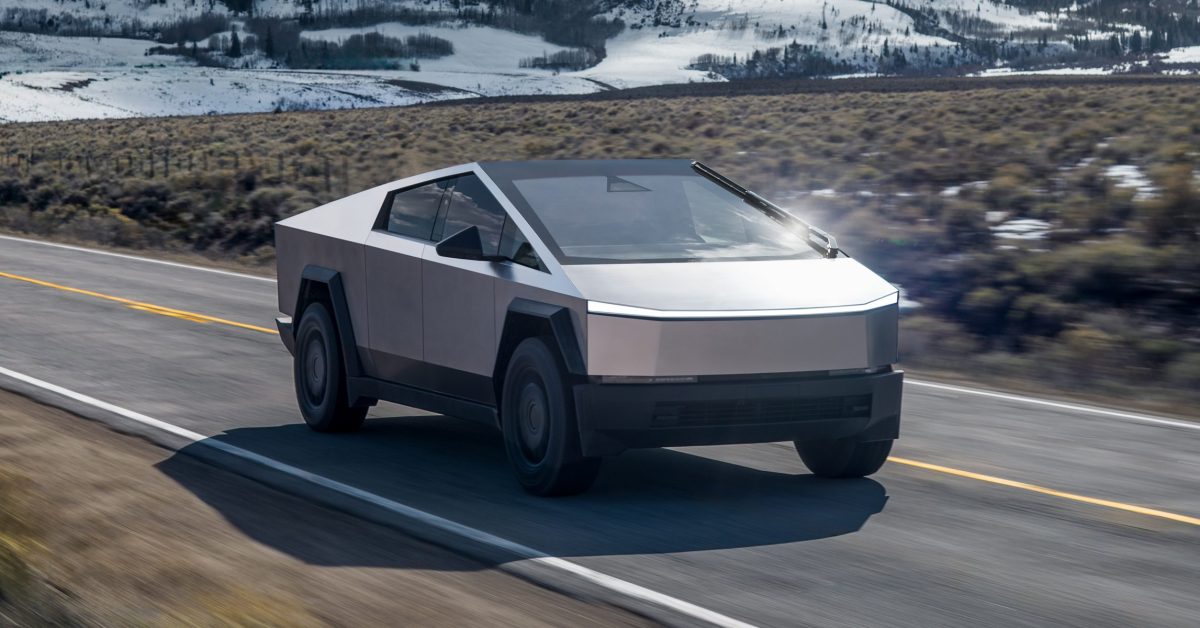
Tesla has reversed course on the Cybertruck’s end date, extending production of its polarizing electric pickup through the end of summer 2027 — just five days after announcing it was winding the vehicle down. The about-face came directly from CEO Elon Musk, who said the additional runway will let Tesla “work through more of the Cybertruck order backlog.” The extension buys the truck roughly two to three more months of assembly, but it has done little to quiet a growing backlash from some of Tesla’s most loyal fans.
A Sudden Reversal, Announced From the Top
The timeline shift is unusual even by Tesla’s standards. The original decision to end Cybertruck production landed with little warning, and the correction arrived just five days later — a pace that suggests internal discomfort with the first announcement. Musk’s explanation, delivered in his characteristic off-the-cuff style, framed the extension as a logistics fix: there are still orders in the queue, and Tesla intends to fill them. But the mechanics of a two-to-three-month reprieve raise questions about how deep that backlog actually runs, and whether the extension reflects demand strength or simply unfinished business.
Fans Push Back — and the Criticism Cuts Deeper Than the Truck
The backlash is notable because it is coming from inside the tent. A growing number of Tesla’s own enthusiasts have criticized the decision, and their frustration extends well beyond the Cybertruck itself. For these buyers, the pickup was a symbol of Tesla’s willingness to take risks and ship something strange and ambitious. Killing it — even with a short extension — reads as a signal about what kind of company Tesla intends to be. The concern is less about one model’s fate than about whether Tesla still wants to be a company that sells cars to people, rather than one increasingly oriented toward autonomy, robotics, and energy.
That anxiety has been building for months. Tesla’s public narrative has tilted heavily toward robotaxis, Optimus, and AI, while its core vehicle lineup ages and its affordable-vehicle plans remain murky. The Cybertruck, whatever its flaws, was proof that Tesla could still manufacture a consumer product with genuine cultural gravity. Pulling the plug — then partially unplugging it — feeds the perception that the company’s commitment to everyday drivers is softening.
What the Extension Really Signals
Analysts will read the extension in two ways. The generous interpretation: Tesla is being disciplined, honoring its order book and avoiding the reputational damage of canceling configured orders. The skeptical one: the backlog is thin enough that a few extra months is all it takes to clear it, and the extension is a face-saving gesture rather than a change in strategy. Either way, the episode underscores how exposed the Cybertruck program remains — a low-volume, high-cost halo product in a market where the EV pickup segment has proven tougher than almost anyone predicted.
The timing also matters for Tesla’s broader lineup. Every month of Cybertruck production consumes factory capacity and engineering attention that could go elsewhere. Extending to late summer 2027 pushes the model’s final chapter deeper into a period when Tesla is expected to be ramping whatever comes next — making the truck’s slow fade a backdrop to the company’s larger transition.
For Tesla owners and investors, the takeaway is twofold. Cybertruck reservation holders who have been waiting may get one final window to convert their orders, and should watch for communication from Tesla on configuration and delivery timing. Investors, meanwhile, should treat the reversal as a small but telling data point: Tesla is sensitive to backlash from its core audience, and management is willing to adjust course quickly when a decision lands badly. The bigger question — whether Tesla remains fundamentally a consumer car company — will not be answered by a two-month production extension, but the reaction to this one suggests the market is watching that question closely.


