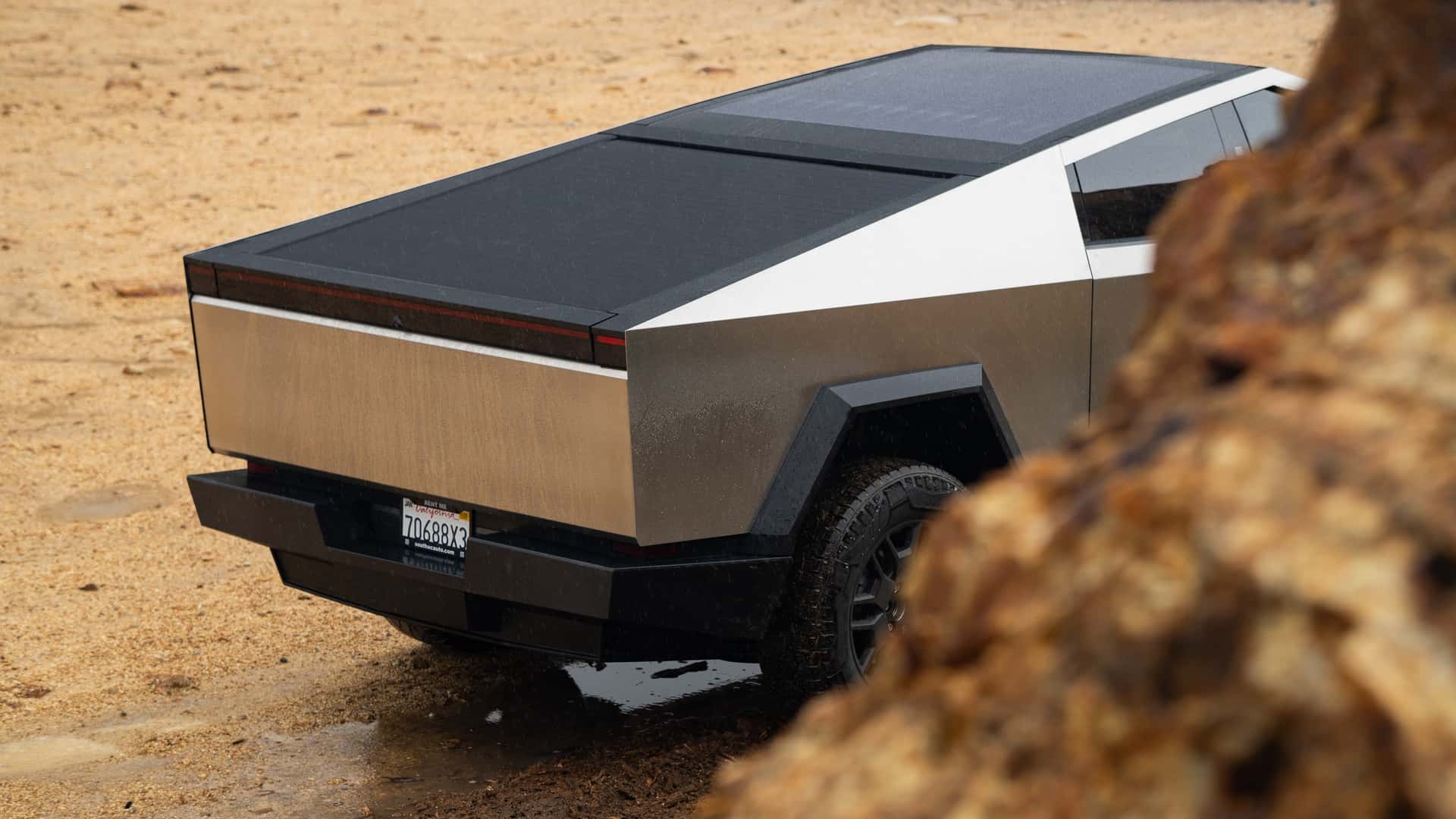
Tesla is turning a problem most automakers would envy into a production imperative. The company has extended its Cybertruck production run in order to work through a stubborn backlog of orders, a decision that underscores just how far the pickup's demand still outstrips supply—even as critics question whether the vehicle will ever be a volume profit driver.
Production Push Meets a Persistent Order Bank
According to reporting on the company's production planning, Tesla is keeping Cybertruck lines running at elevated output levels to clear reservations that have accumulated since the vehicle's 2019 unveiling. The extension signals that Tesla sees fulfillment—not demand generation—as the immediate bottleneck. For a company accustomed to building to order, the move is a notable admission that the waitlist remains the guiding constraint on the truck's rollout.
The decision also reflects the realities of ramping a stainless-steel, exoskeleton-bodied electric vehicle unlike anything else in the market. Production complexity at Tesla's Giga Texas facility has kept output below initial ambitions, meaning every extra shift matters when thousands of reservation holders are still waiting.
Musk's Blunt Admission on the Cybertruck's Economics
The financial picture remains complicated. Elon Musk himself has acknowledged the truck's unusual position in Tesla's lineup, calling the Cybertruck "not the smartest move from a profit-maximizing standpoint." The remark captured the tension at the heart of the program: it is a halo product designed to shock, provoke, and define Tesla's design language—not necessarily to deliver the margins of a Model Y.
That candor matters for investors parsing Tesla's broader strategy. The Cybertruck occupies a niche in the full-size pickup segment, competing against established Ford F-150 Lightning and Rivian R1T offerings while carrying development and manufacturing costs that are difficult to amortize at low volumes. Extending the production run to satisfy the backlog is therefore as much about honoring reservations—and protecting brand trust—as it is about chasing profit.
What the Backlog Signal Means for the EV Market
A deep order bank is a double-edged indicator. On one hand, it demonstrates durable interest in a polarizing electric vehicle and gives Tesla pricing power among early adopters. On the other, it raises questions about how much of that demand converts once wait times shrink and the novelty premium fades. Tesla has already adjusted Cybertruck pricing and trim availability since launch, moves that suggest the company is testing how elastic demand really is.
The extended run also carries operational implications. Sustained high output at Giga Texas will pressure suppliers of the truck's specialized components and test Tesla's ability to maintain quality at scale—a recurring theme in the company's ramp history.
For Tesla owners and reservation holders, the message is straightforward: patience may finally pay off, with delivery timelines likely to compress as the backlog clears. For investors, the Cybertruck remains a case study in the gap between engineering ambition and profit discipline. The production extension keeps the program moving forward, but Musk's own words serve as a reminder that this truck was never designed to be Tesla's cash cow—and its financial contribution will be judged over years, not quarters.


