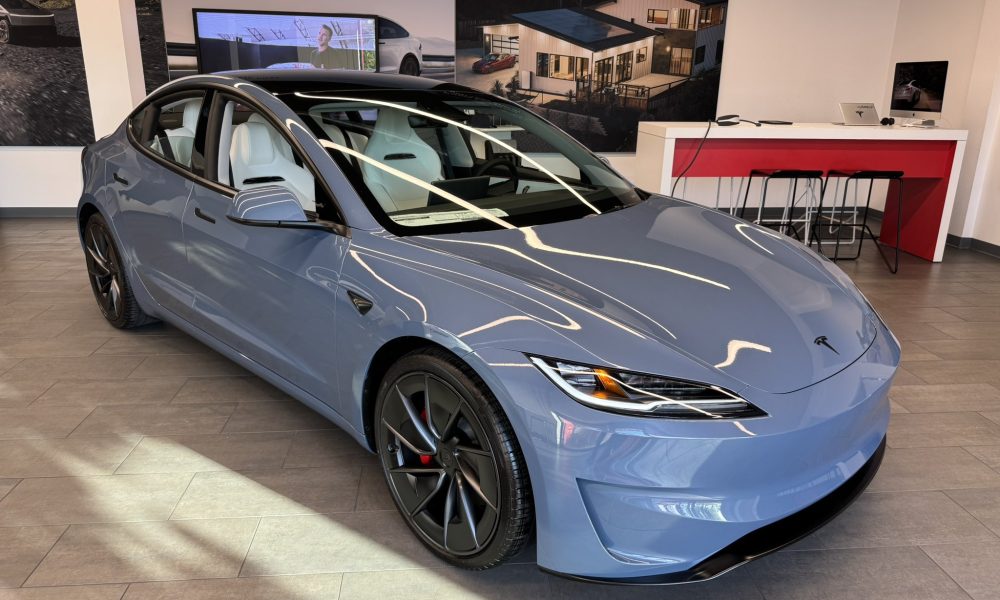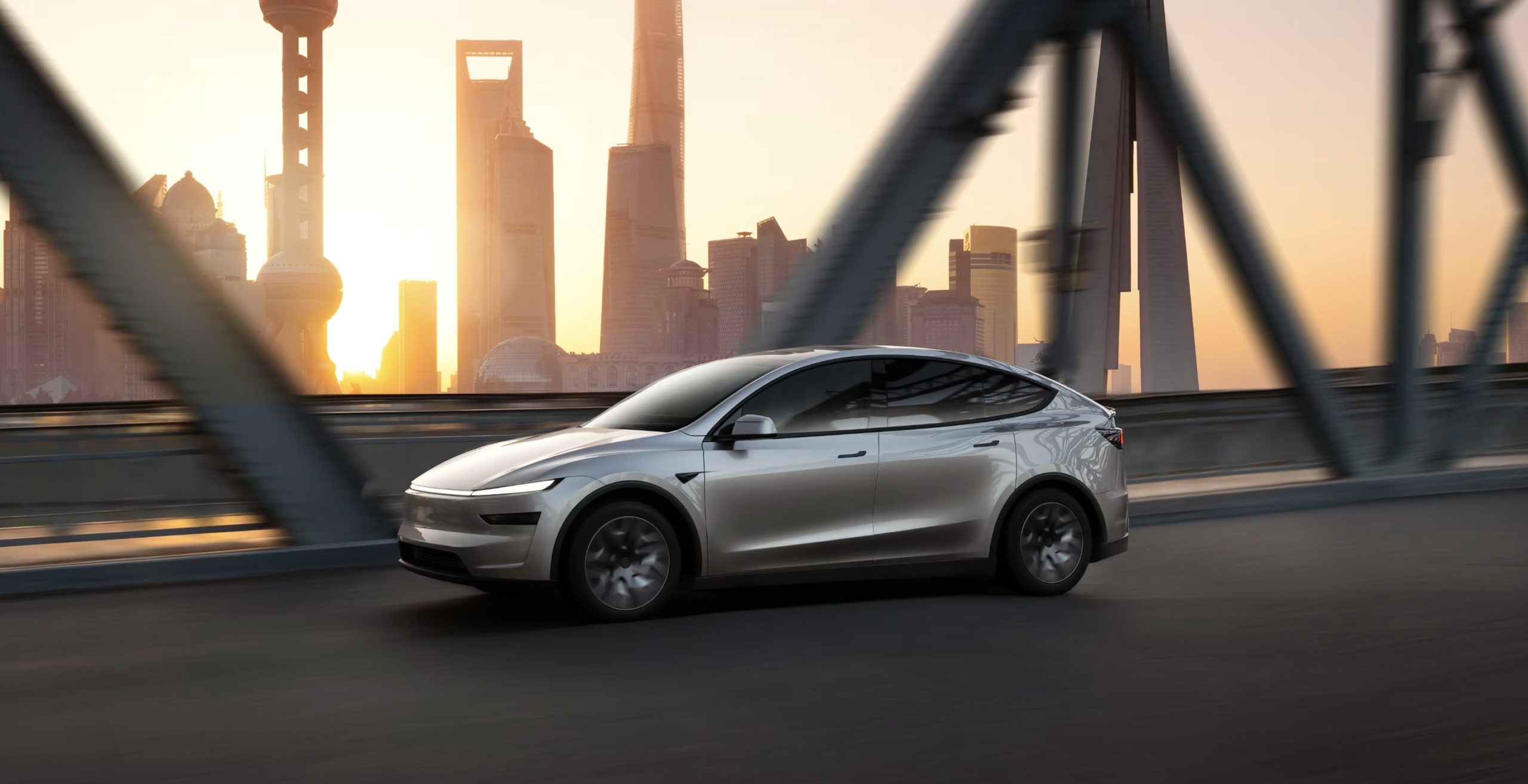
Tesla's strategic push into the critical Asian market has accelerated with a major new product offensive. The automaker has officially launched its long-wheelbase, six-seat Model Y L variant across eight key Asian markets, signaling a targeted approach to capture a growing segment of family-oriented EV buyers. This expansion moves beyond Tesla's standard five-seat offerings to directly compete with traditional three-row SUVs, a popular and lucrative vehicle class in the region.
A Strategic Rollout Across Key Markets
The expanded availability now includes Japan, Thailand, South Korea, Hong Kong, Singapore, Malaysia, Australia, and New Zealand. This is not a tentative test but a full-scale commercial launch, with the vehicle appearing on each country's official Tesla online configurator. The Model Y L features a stretched chassis to accommodate a third row, transforming the compact SUV into a more versatile people-mover. This move is a direct response to regional consumer preferences for vehicles that can comfortably transport larger families or groups, a demand that the standard Model Y could not address.
Competitive Positioning and Regional Appeal
By introducing the six-seat configuration, Tesla is no longer just competing with other mid-size electric SUVs; it is now challenging mainstream internal combustion engine models like the Toyota Highlander and Hyundai Palisade in these markets. The Model Y L offers a unique proposition: the practicality of a three-row SUV combined with Tesla's signature electric vehicle performance, tech-centric cabin, and access to the Supercharger network. This is particularly potent in densely populated urban centers like Hong Kong and Singapore, where EV incentives are strong and space efficiency is paramount.
The timing of this expansion is also analytically significant. It follows substantial price adjustments and localized promotions in several of these countries, indicating Tesla is employing a multi-pronged strategy to boost demand and production utilization. The focus on right-hand-drive markets like Australia, Japan, and Singapore also demonstrates efficient platform engineering, allowing Tesla to leverage a single specialized variant for a broad geographic cluster. This regional focus maximizes impact while streamlining logistics and inventory complexity.
Implications for Tesla Owners and Investors
For potential Tesla owners in Asia, this launch finally provides a zero-emission alternative in the family SUV segment without forcing a move to the larger and more expensive Model X. It significantly broadens the brand's addressable market. For current investors, the expansion is a clear signal of Tesla's maturation from a niche player to a mainstream automaker capable of segment-specific tailoring. Success in these diverse markets could provide a meaningful new revenue stream and further validate the company's global growth strategy beyond its dominant North American and Chinese operations. However, its reception will be a key metric to watch, as it tests Tesla's ability to penetrate a fiercely competitive segment with deeply entrenched incumbents.