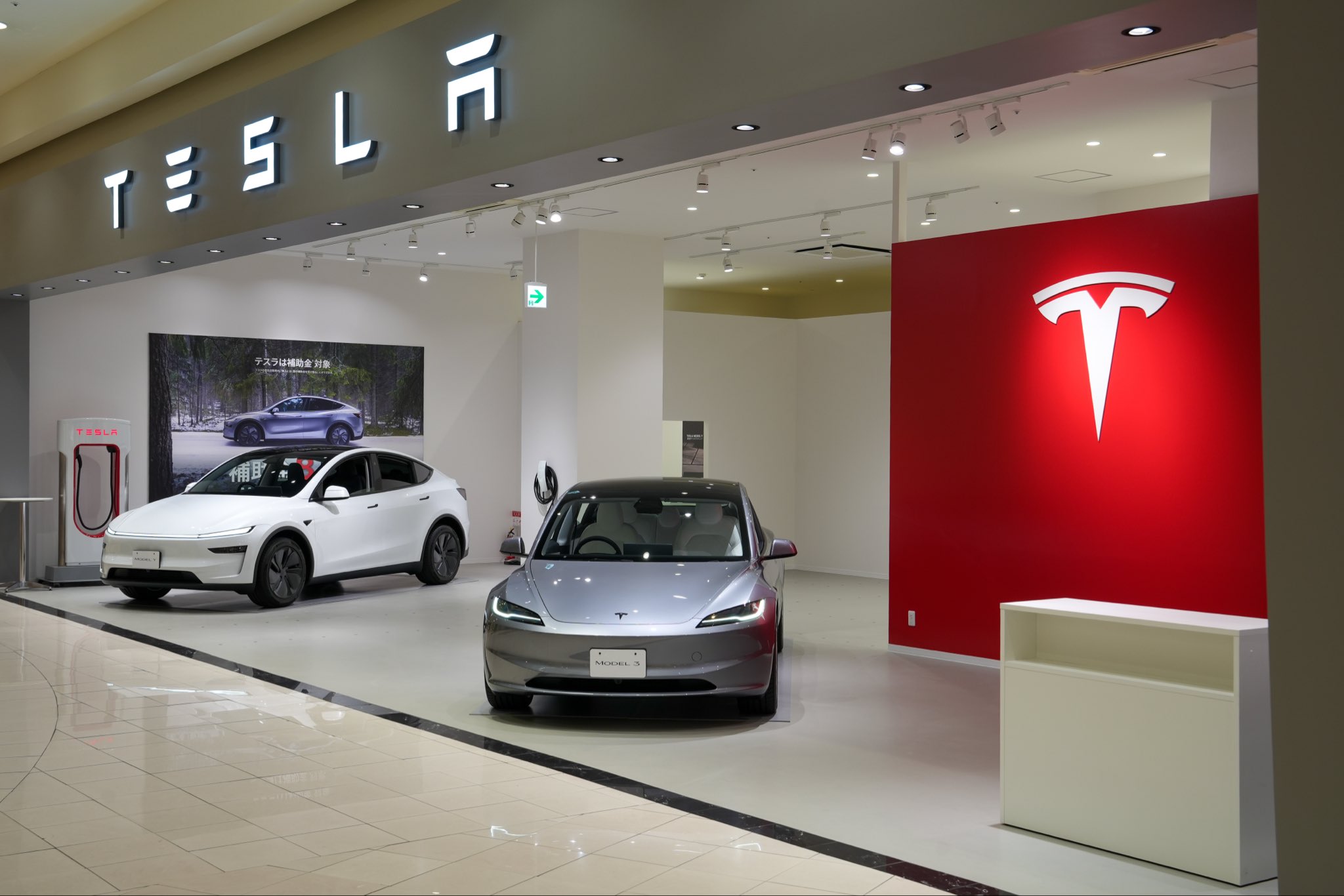
For Tesla owners, the approach of the vehicle's warranty expiration date is a pivotal moment, shifting the financial responsibility for future repairs squarely onto their shoulders. Proactively navigating this transition is crucial, as the potential cost of post-warranty components—from the high-voltage battery to drive units and sophisticated electronics—can be staggering. The emerging service known as a Tesla "End of Warranty Check" has become an essential strategy for savvy owners looking to avoid unexpected, crippling repair bills by identifying latent issues while the factory coverage is still active.
Timing and Access: Scheduling Your Pre-Expiry Inspection
The optimal window for this critical inspection is within the final 1-3 months of your vehicle's factory warranty, whether it's the standard 4-year/50,000-mile New Vehicle Limited Warranty or the 8-year battery and drive unit coverage. This timeframe provides ample opportunity to have any identified defects formally documented and repaired by Tesla at no cost. Owners can initiate the process directly through the Tesla app by scheduling a service appointment and explicitly requesting a comprehensive pre-warranty expiration diagnostic. It's imperative to emphasize the check's purpose to ensure the service center allocates sufficient time for a thorough evaluation.
Tesla Service vs. Independent Specialist: A Strategic Choice
The decision between using a Tesla Service Center or an independent EV expert for the check involves weighing distinct advantages. A Tesla Service Center has the undeniable benefit of direct access to proprietary diagnostic tools and the latest technical service bulletins. If they find an issue, the repair workflow is seamless. However, critics argue this creates a potential conflict of interest, as the entity responsible for costly repairs is also performing the assessment. Conversely, a reputable independent EV specialist or certified diagnostic engineer offers a truly impartial second opinion. They can often perform an equally detailed battery health analysis and mechanical inspection, sometimes with more transparency and customer focus, though they cannot authorize warranty repairs themselves.
For owners, the most robust strategy may be a hybrid approach. An independent pre-check can identify potential concerns without officially alerting Tesla. Armed with this knowledge, an owner can then approach a Tesla Service Center with specific, verifiable requests for inspection, potentially increasing the likelihood of thorough warranty coverage. This is particularly valuable for nuanced issues like early battery degradation, minor drive unit whine, or recurring electronic glitches that might otherwise be dismissed as "within spec" during a routine visit.
The financial implications of skipping this step are severe. Out-of-warranty replacements for a High Voltage Battery can exceed $15,000, while a drive unit repair can run into the thousands. The End of Warranty Check is a relatively small investment for profound peace of mind. It transforms uncertainty into a clear, actionable snapshot of your vehicle's health, allowing you to either secure final warranty repairs or make an informed decision about future ownership, potentially factoring in an extended service plan.
For Tesla investors, the normalization of these pre-warranty inspections reflects a maturing user base that is strategically managing total cost of ownership. While it may lead to a short-term increase in warranty repair costs for Tesla, it also fosters greater long-term owner satisfaction and loyalty. Furthermore, it highlights a growing market opportunity for third-party service and diagnostic providers, a sector that will become increasingly relevant as the global fleet of out-of-warranty Teslas continues to expand exponentially.