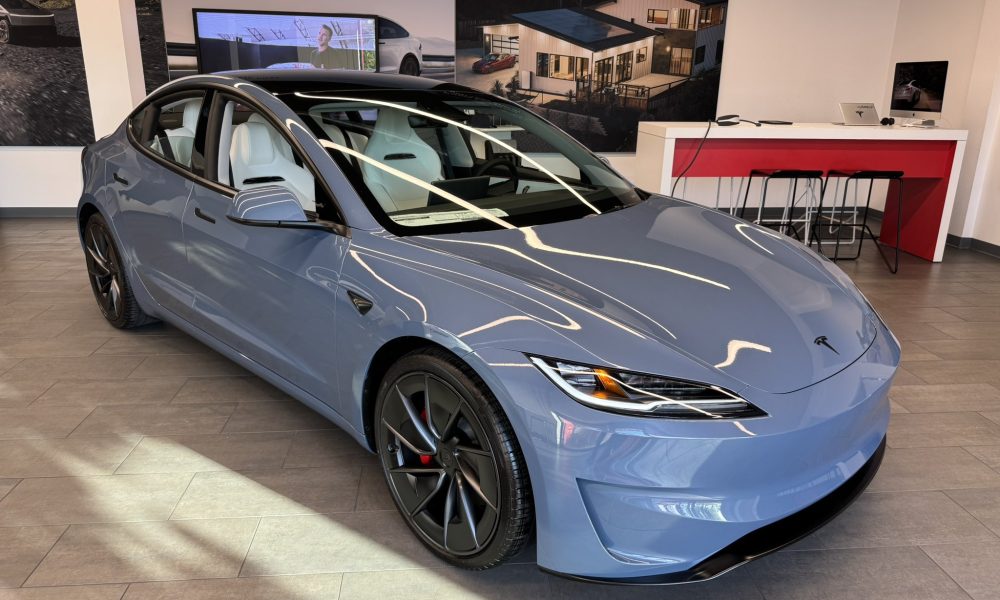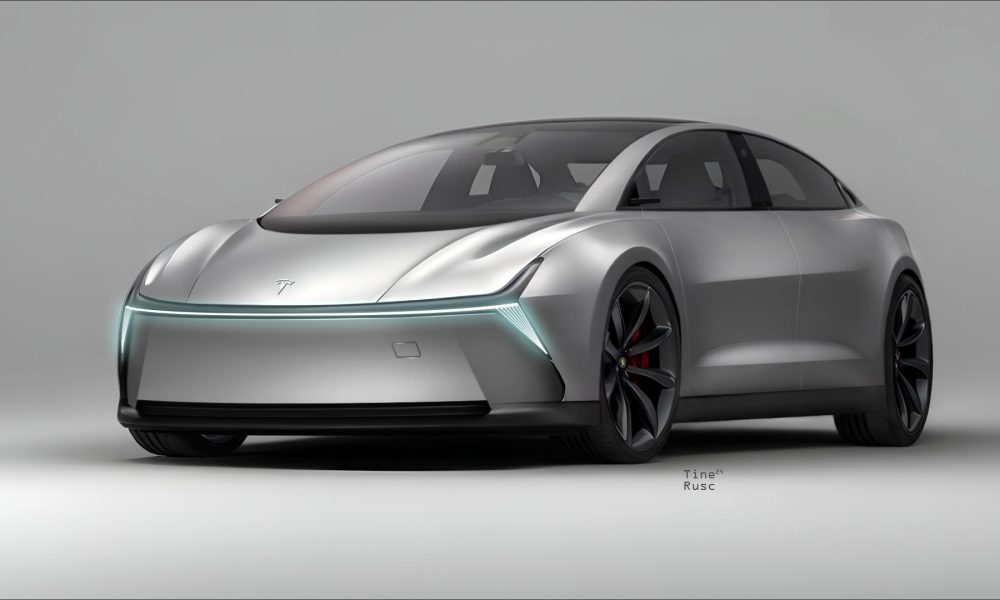
Rumors of an affordable Tesla have become a recurring, almost tantalizing, narrative in the electric vehicle industry, often met with equal parts hope and skepticism. A new report from Reuters, citing anonymous sources, claims Tesla has canceled its long-promised $25,000 Model 2 in favor of focusing its resources on a dedicated robotaxi platform. However, in a dramatic counter-narrative, Bloomberg now reports that Tesla is pivoting instead to developing a small, affordable SUV built on existing architectures, aiming to utilize current production lines to control costs. This conflicting information leaves investors and enthusiasts parsing executive statements and reading between the lines of Elon Musk's social media posts to discern the truth.
The Elusive Quest for a "People's EV"
Tesla's journey toward a truly mass-market electric vehicle has been fraught with shifting priorities. The "Model 2" or next-generation compact vehicle was a cornerstone of Tesla's master plan to achieve 20 million annual sales by 2030, a goal that hinges on a dramatically lower price point. The company has shelved affordable car projects before, most notably after the controversial cancellation of the original $35,000 Model 3 standard variant. This history makes any new rumor subject to intense scrutiny. The core challenge remains engineering and manufacturing a high-quality EV at a $25,000 price point while maintaining Tesla's signature margins, a puzzle that has stumped the entire auto industry.
Architectural Pivot: Leveraging Existing Strengths
According to the latest reporting, the new strategy allegedly abandons a ground-up "next-gen" platform in favor of adapting current technology. This small SUV would reportedly be built on modified versions of Tesla's current Model 3/Y platforms, potentially utilizing a significant number of existing components and assembly processes. This approach could drastically reduce development time and capital expenditure, allowing Tesla to bring a cheaper vehicle to market faster by leveraging the immense scale and efficiency gains already achieved with its best-selling Model Y. The move suggests a pragmatic shift from a revolutionary new platform to an evolutionary product derived from proven, profitable lines.
The strategic ambiguity from Tesla's leadership adds fuel to the fire. While Reuters' sources pointed to a full cancellation, Elon Musk swiftly contradicted that report on his social media platform, X, though without providing specific details. This pattern of cryptic messaging is familiar but leaves the market in a state of uncertainty. Analysts are divided on whether a platform adaptation can truly achieve the radical cost reductions needed for a sub-$30,000 vehicle without compromising performance or features that define the Tesla brand.
For Tesla owners and investors, the implications are significant. A successful, high-volume affordable SUV would be a monumental growth catalyst, expanding Tesla's addressable market exponentially and putting immense pressure on legacy automakers struggling with their own EV transitions. However, another high-profile delay or cancellation risks damaging credibility and ceding the critical entry-level EV segment to competitors like BYD, Volkswagen, and a host of Chinese automakers who are aggressively targeting that space. The company's stock valuation is partly predicated on future growth narratives, making the fate of this affordable model more than just a product decision—it's a test of strategic execution and market confidence.